Travel to Antarctica: An Unforgettable Journey of Discovery
Travel to Antarctica: Join my adventure with Quark Expeditions. Marvel at its beauty and encounter unique wildlife
Travel guide / iceland
Explore Iceland with me on a thrilling Iceland roadtrip. Find the best campsites, routes, and must-see highlights.
This story has been restored from the original website. Travel details reflect its original publication.
An Iceland roadtrip has always been on my travel bucket list. At the end of summer, I took a six-day road trip. It was the perfect time, right between summer and winter, before some roads closed.
To explore Iceland, we decided to cover the eastern and northern parts by van on adventerous roadtrip. These regions are known for their stunning landscapes, fewer crowds, and unique attractions. We went with Kuku Campers and used the B EX Campervan, which carries and sleeps three people. Since we were only two, we had ample room during our journey. This gave us flexibility and let us go at our own pace. Another advantage was stopping along the road and camping at night at various campsites. We could also prepare meals at the campsite or inside the van.
Many van companies in Reykjavik offer packages and itineraries for all parts of the island. With a few days off from work, we chose a six-day road trip to explore the Eastern and Northern parts of Iceland. The trip included breathtaking waterfalls, serene fjords, and charming small towns.
To help plan our trip, I relied on a friend who lives there and specializes in organizing trips. Here are some key considerations:
Best Time to Visit
We opted to go in early October, which is the shoulder season after summer. Flights from Europe and the US were not expensive since it wasn’t school holiday time. Another plus was the dark evenings, perfect for seeing the Northern Lights.
How to Get There
Flights to Iceland are available from major cities in Europe and the US. Make sure to check for visa requirements based on your nationality.
Road Conditions and Driving
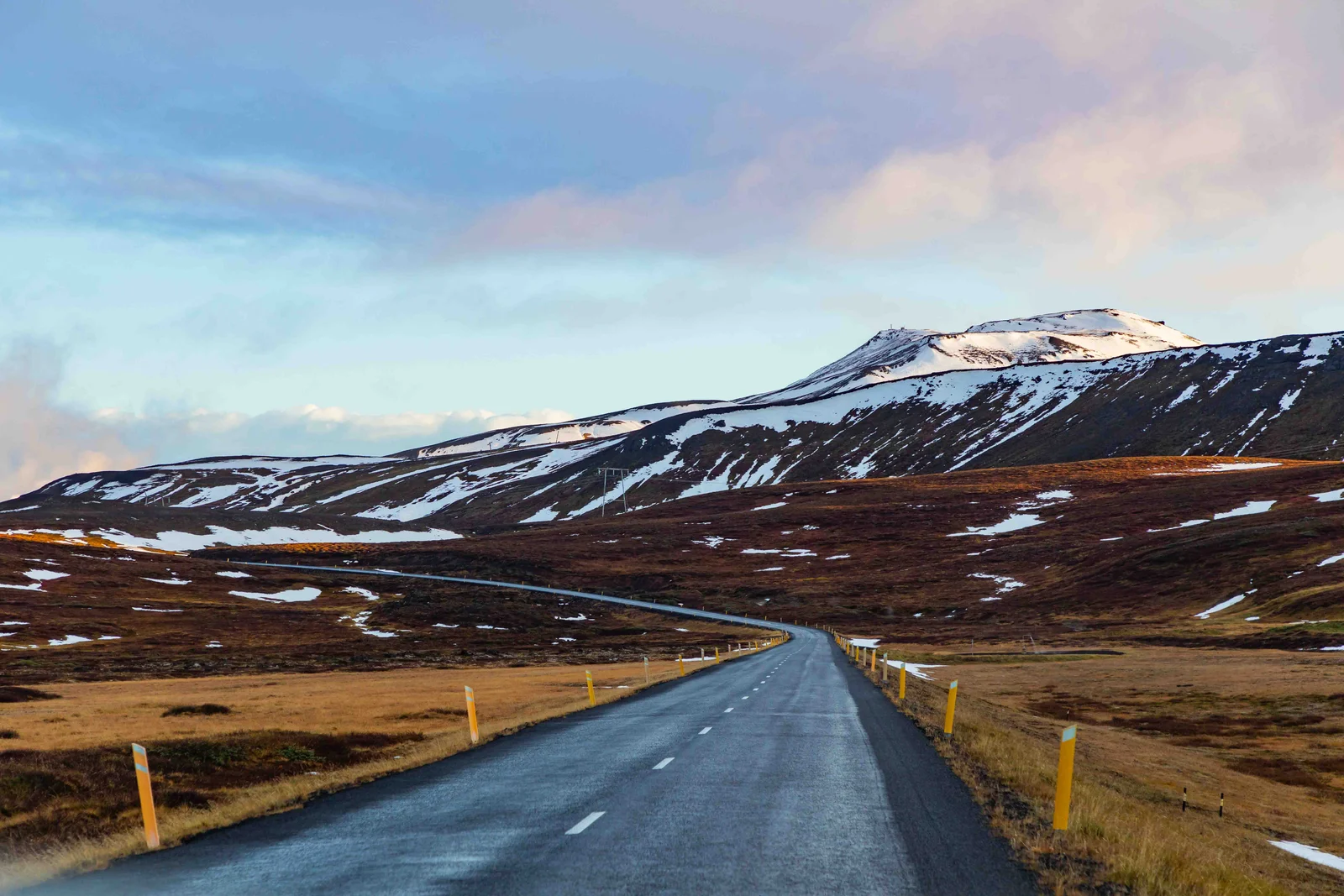
Iceland’s road conditions vary by season. In October, most roads, especially in the northern parts of Western Iceland, are still open, providing a safe driving experience. We always checked road conditions before heading out.
Vehicle Rental Options
We chose to rent a campervan, specifically from Kuku Campers. My personal choice for campervans are a great choice as they provide flexibility and comfort. Other options include cars and 4x4s, depending on your itinerary and preference.
Insurance and Safety Tips
When renting a van or a car for the road trip, ensure you get comprehensive insurance. This includes coverage for gravel roads and ice & windstorms, which are common in Iceland. Always carry a map, as GPS can sometimes be unreliable in remote areas.
Travel Tip:
If you are planning a trip to Iceland, I highly recommend getting help from Kyana Sue, who was invaluable in organizing our journey. Since I was flying from France and Jeanine from Los Angeles, having a local expert made all the difference in ensuring a smooth and enjoyable trip.
Travel Tip:
Since the Kuku campervan rental office is about 15 minutes from Keflavík International Airport and Reykjavík is about 1 hour away from the city center, we took advantage of the convenient location.
First, we did some shopping at Kronan and Bonus grocery stores. Then, we stocked the small fridge in our campervan with essential foods and packed snacks for our first hike.



Our 6-day Iceland road trip began in Reykjavik. As we embarked on our Iceland road journey, the first point of interest was the Fagradalsfjall Volcano. This stunning natural wonder set the tone for our entire Iceland road adventure, offering breathtaking views and an exciting start to our trip.
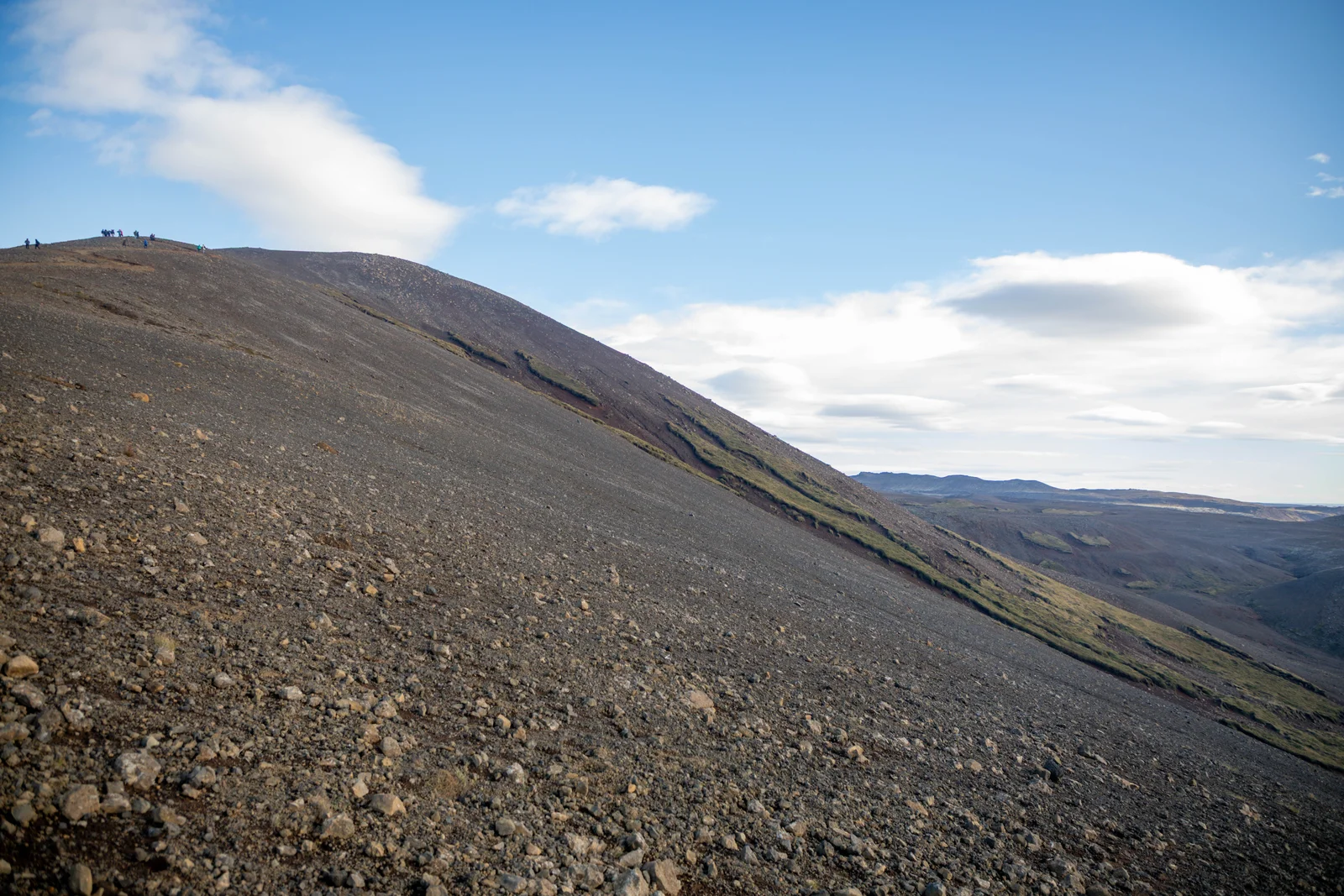
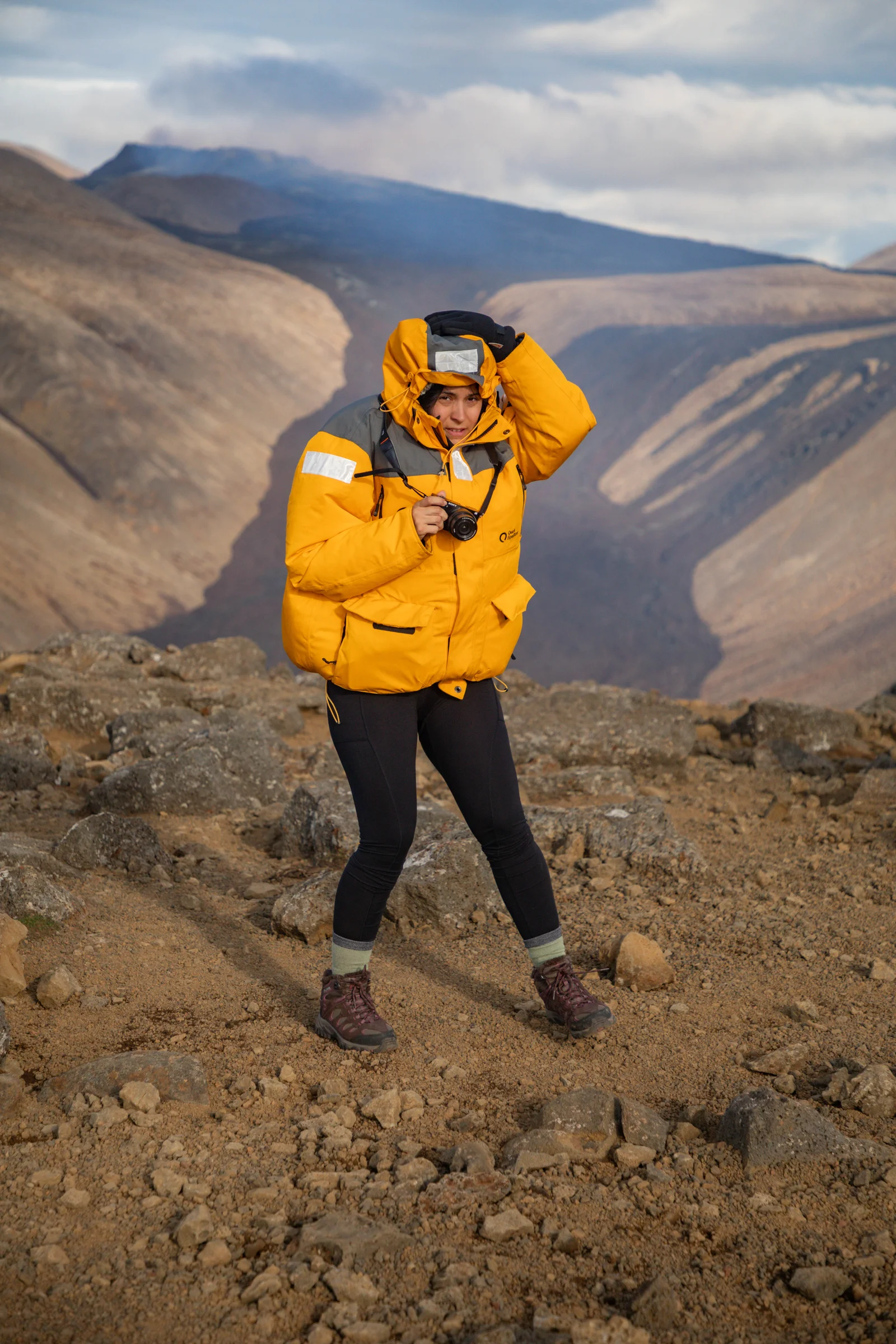
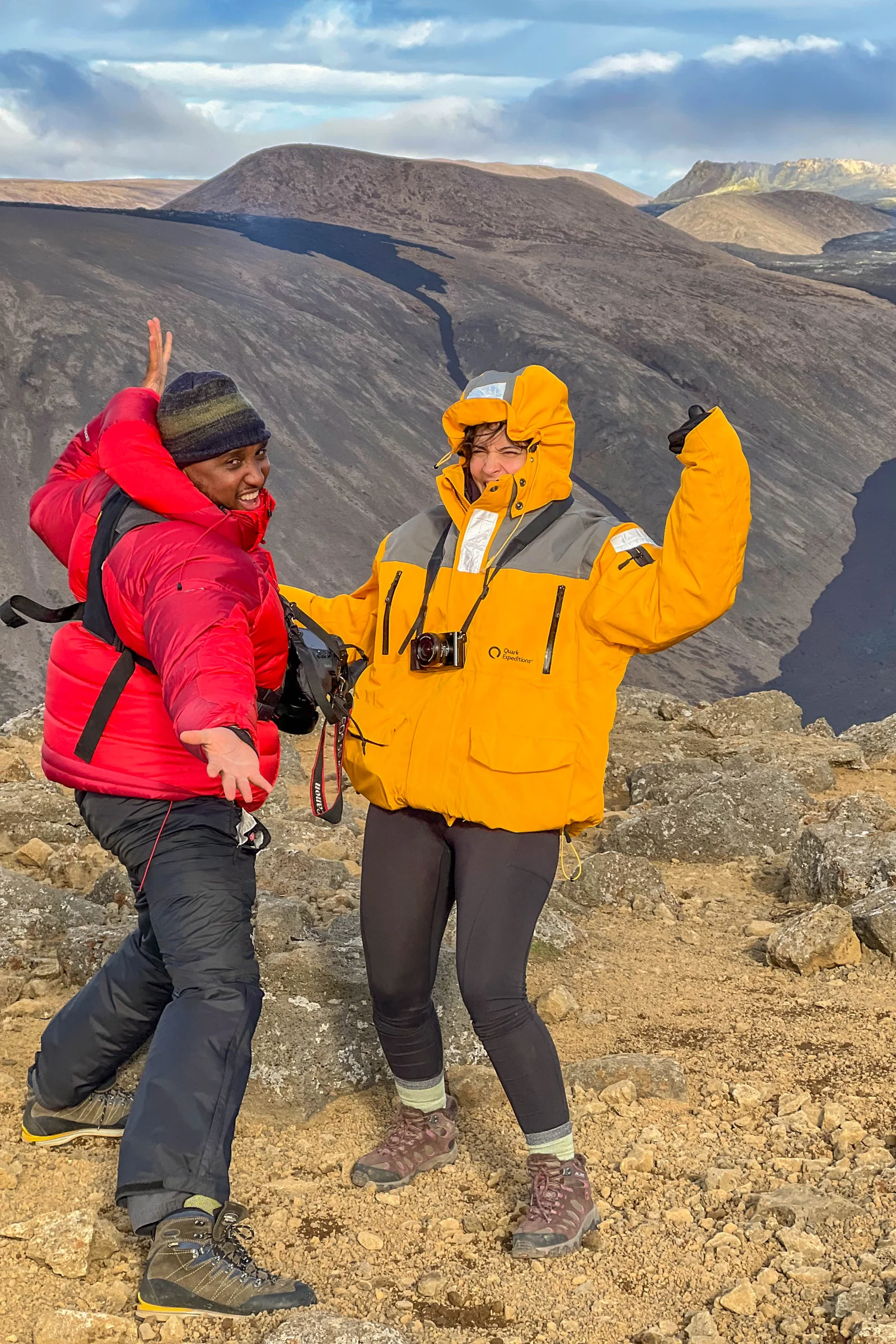
After picking up our campervan and shopping for groceries, we headed to Fagradalsfjall Volcano for our first hike. This marked the beginning of our thrilling Iceland road trip. Since the volcano had been active recently, we looked up the latest path recommendations. The volcano is about 20 minutes from Keflavík International Airport.
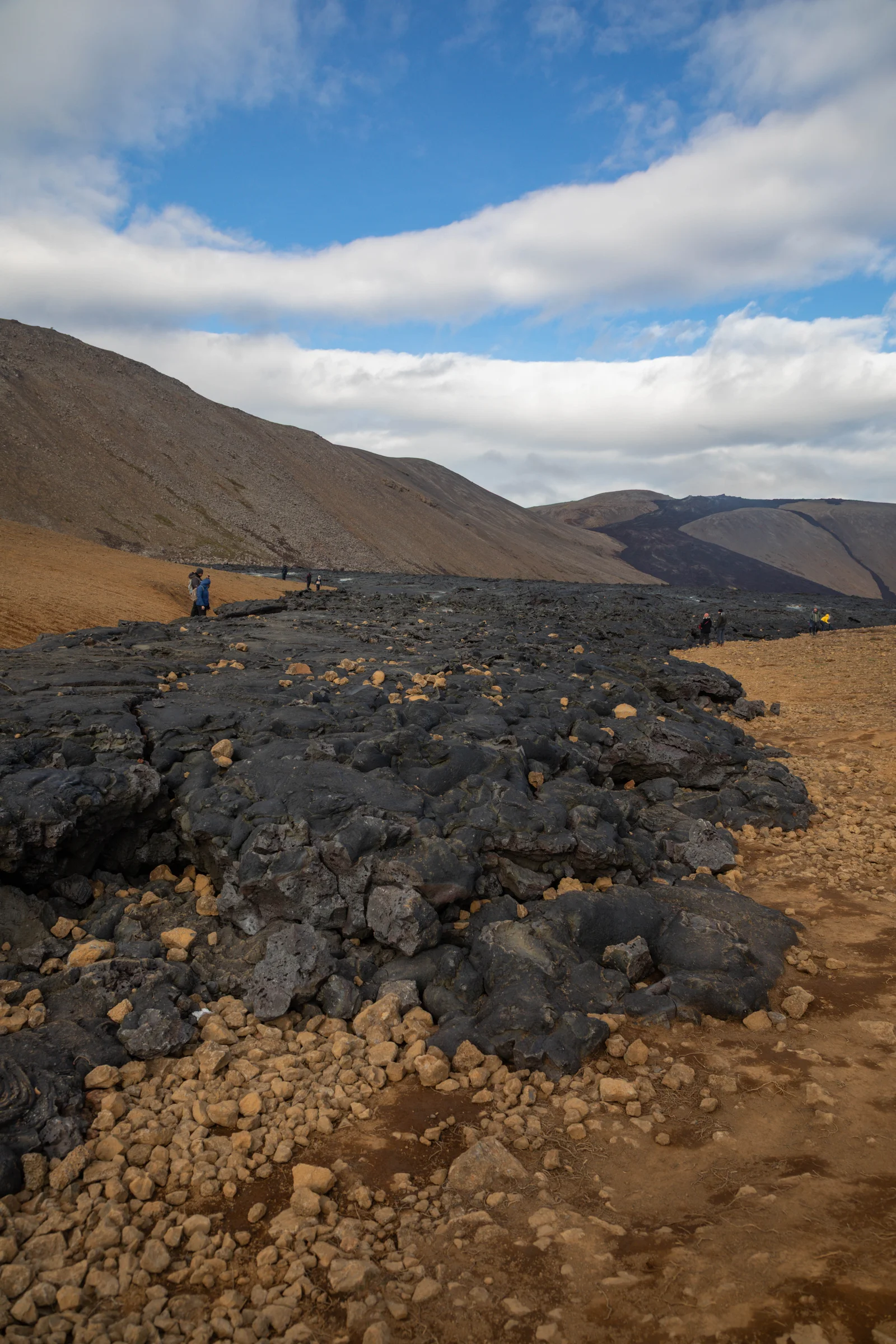
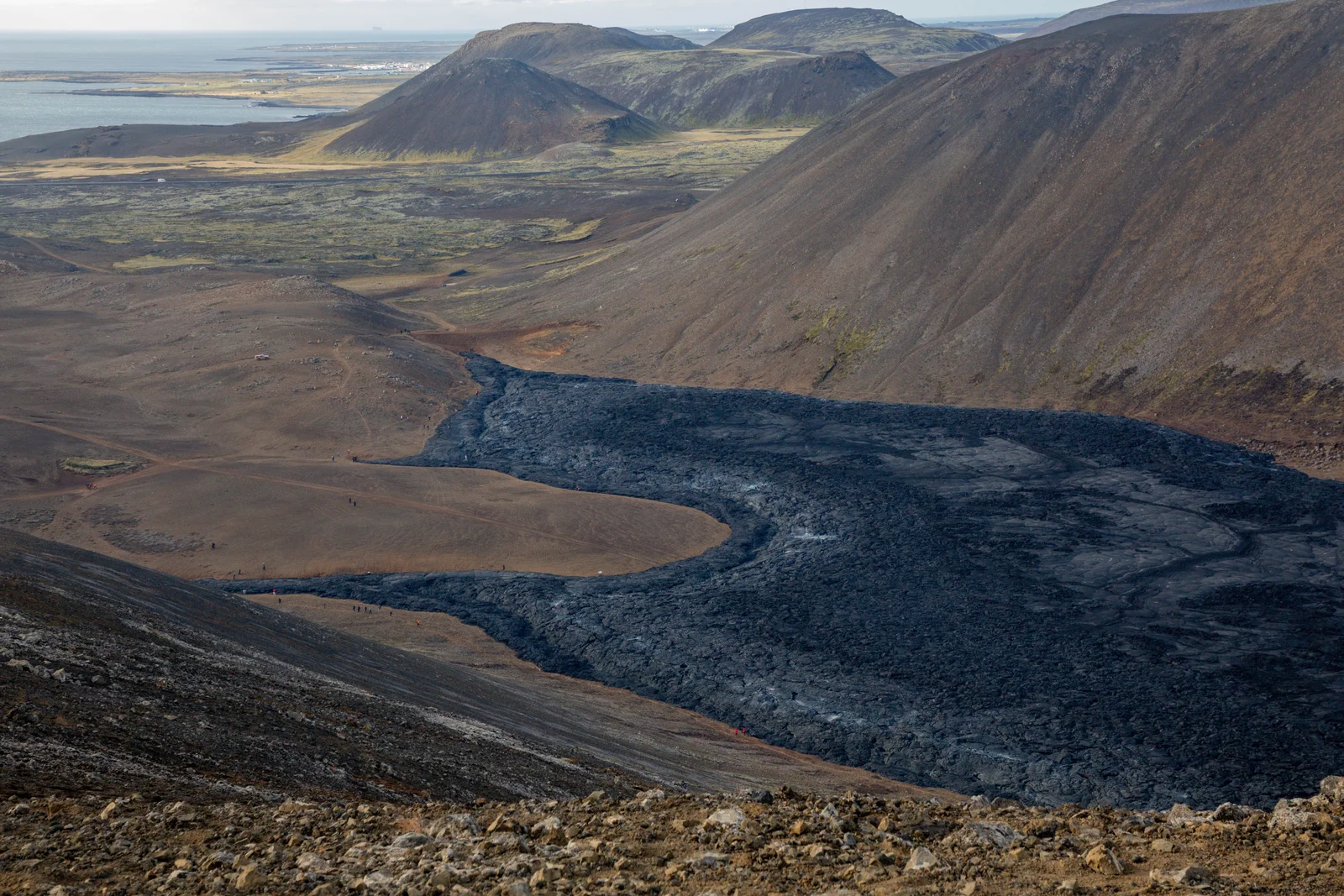
Before starting your hike, check the recommended website for expert advice on the safest path. Generally, it’s safe, and you don’t need a gas mask. However, if the weather is foggy, avoid climbing the mountains; instead, explore the fascinating nearby lava field. It’s incredible to see new land forming on the old land. Additionally, checking the live feed can help determine visibility. If in doubt, ask a ranger in the parking lot for guidance. This stop set the perfect tone for our Iceland road journey, offering an exciting start to our adventure.
As we began our hike, we noticed it was windy and quite steep in certain areas. We hiked for about 40 minutes to reach the vantage point and then headed back. Getting close to the cooled magma that is solidifying was an unforgettable experience. Smoke fumes could be seen emanating from the cooled magma, adding to the surreal atmosphere. This unique encounter truly showcased the dynamic nature of Iceland’s volcanic landscape, making our Iceland road adventure even more memorable.
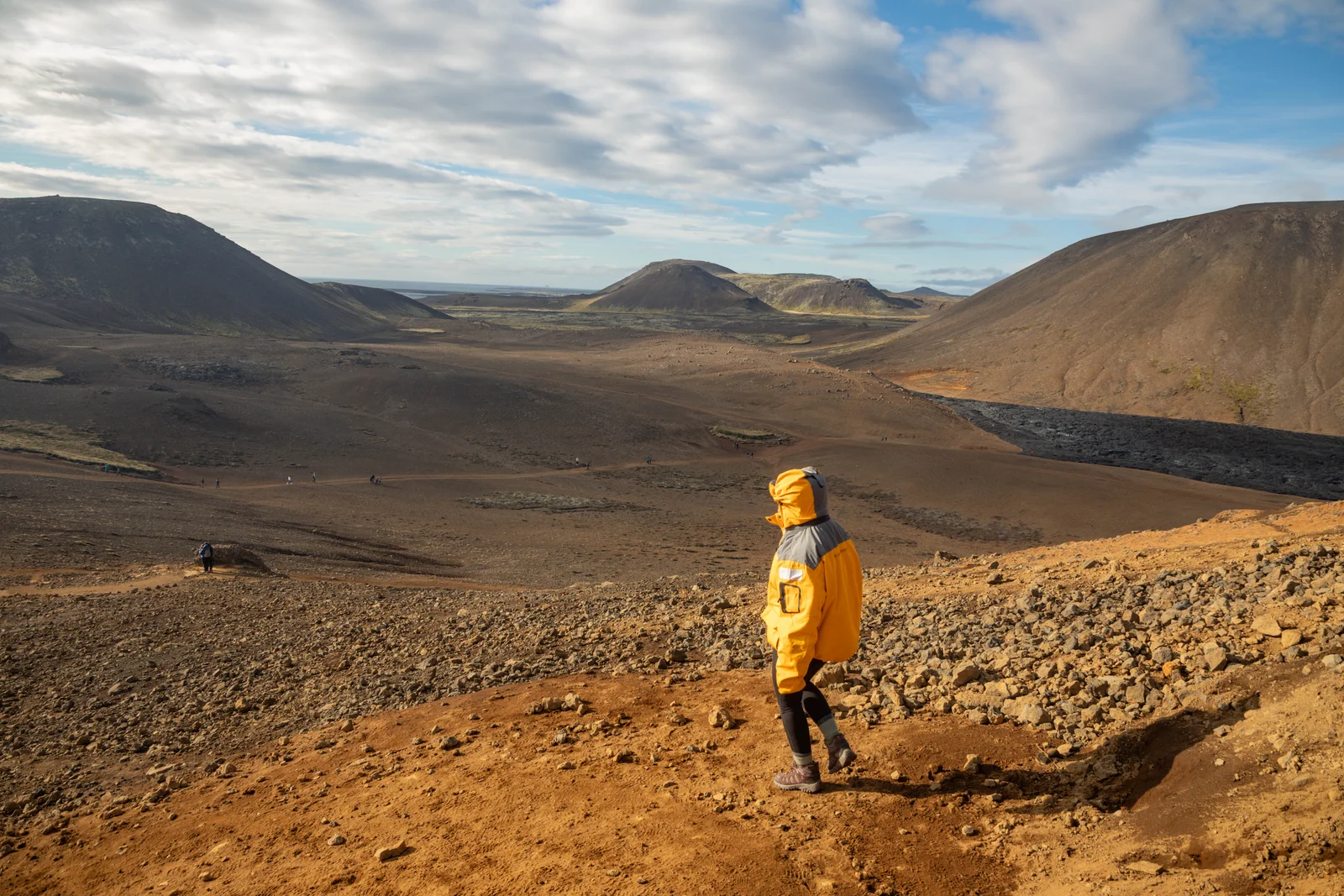
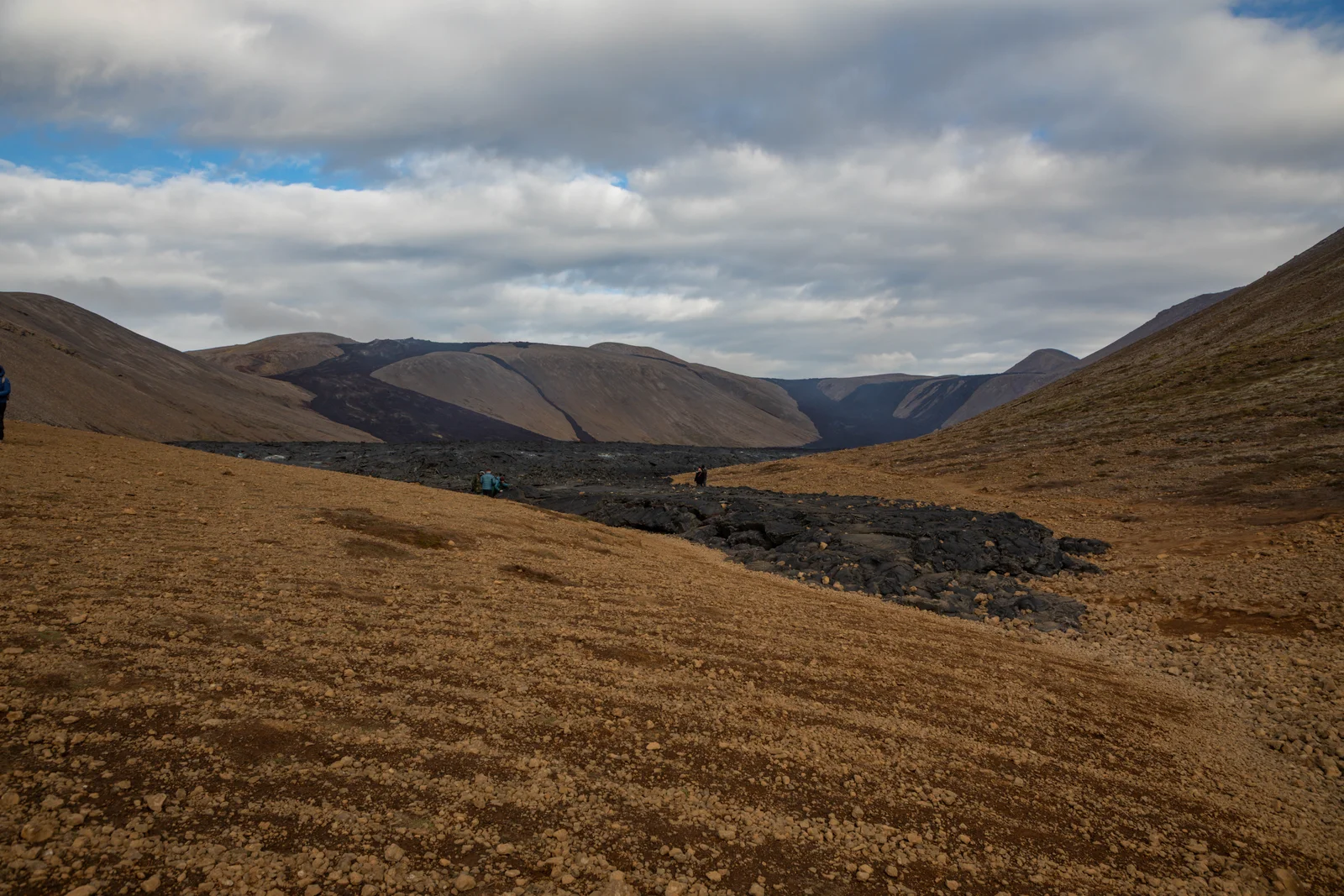
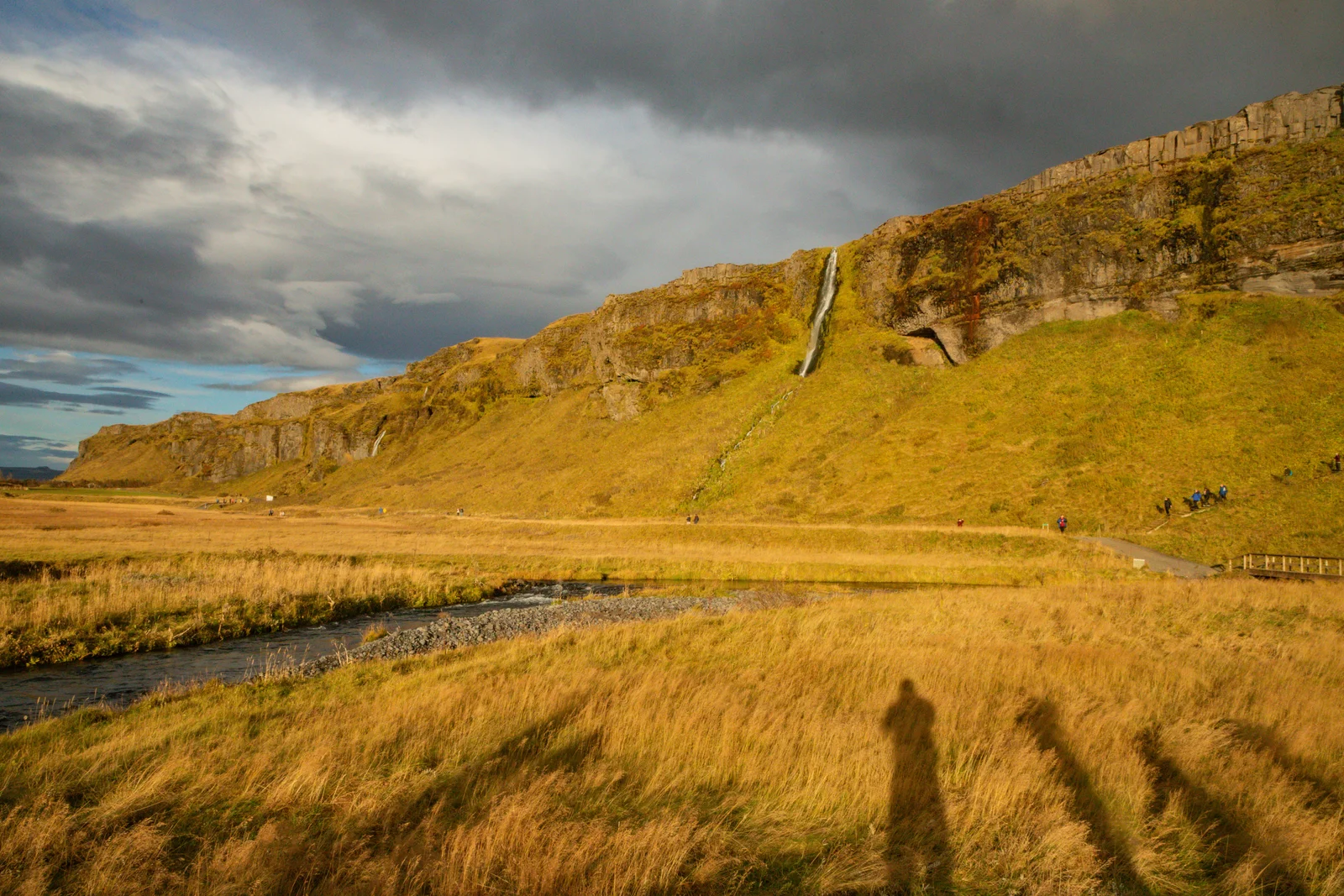
After visiting the volcano, our Iceland road trip took us to the stunning south coast. Our next stops were Seljalandsfoss Waterfall, Gljúfrabúi Waterfall, and Nauthúsagil.
First, we arrived at Seljalandsfoss Waterfall, one of the most visited waterfalls in Iceland. This 60-meter-high waterfall is magnificent to visit year-round. My favorite part is the ability to walk behind the waterfall, though be prepared to get wet! The parking area is close to the waterfall, and there are restrooms, a small shop nearby and a Hamragardar campsite* where we camped. It added a refreshing thrill to our Iceland road adventure.
* Unfortunately the Hamragardar campsite is closed currently. The nearest other camp would be the Skogafoss campsite
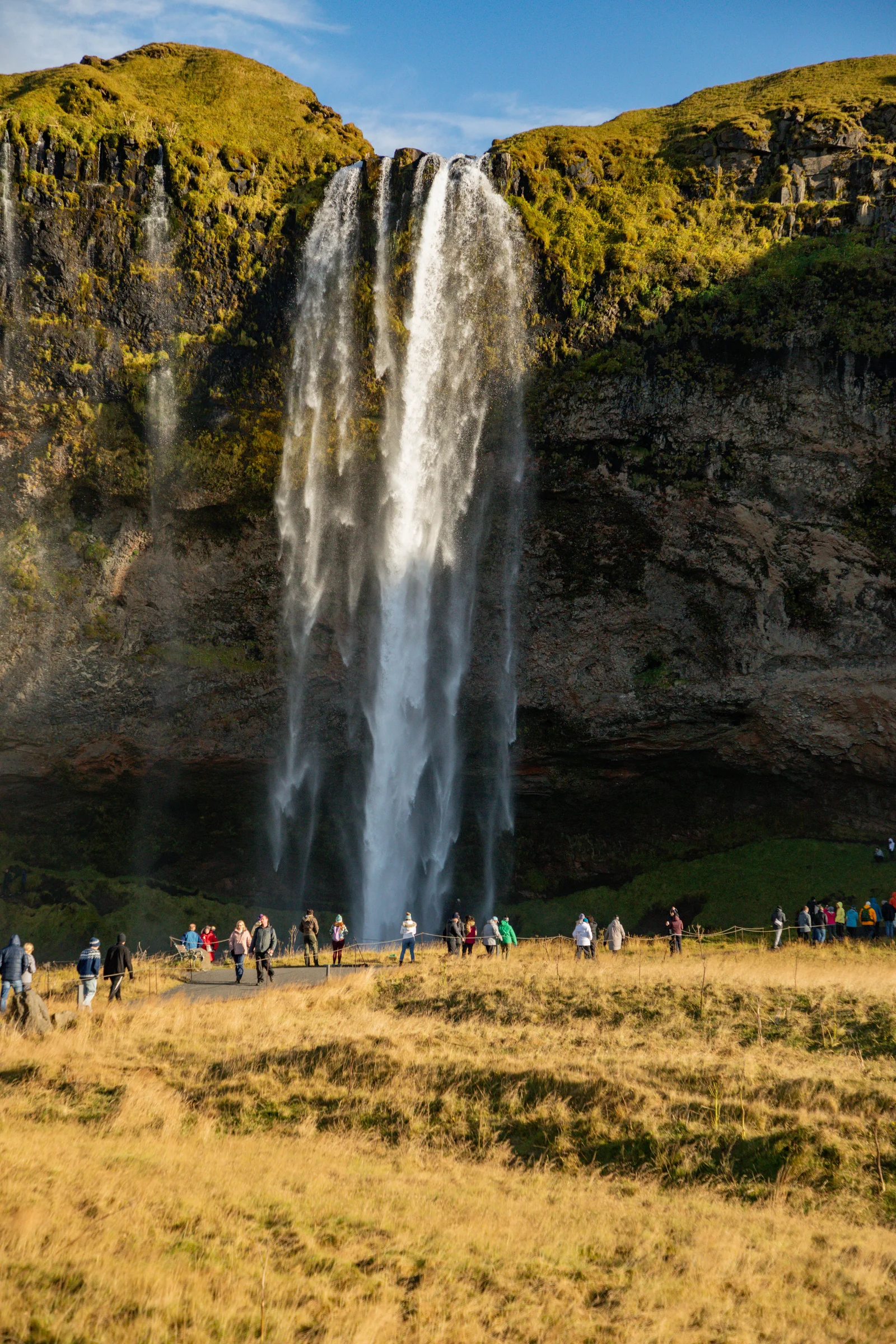
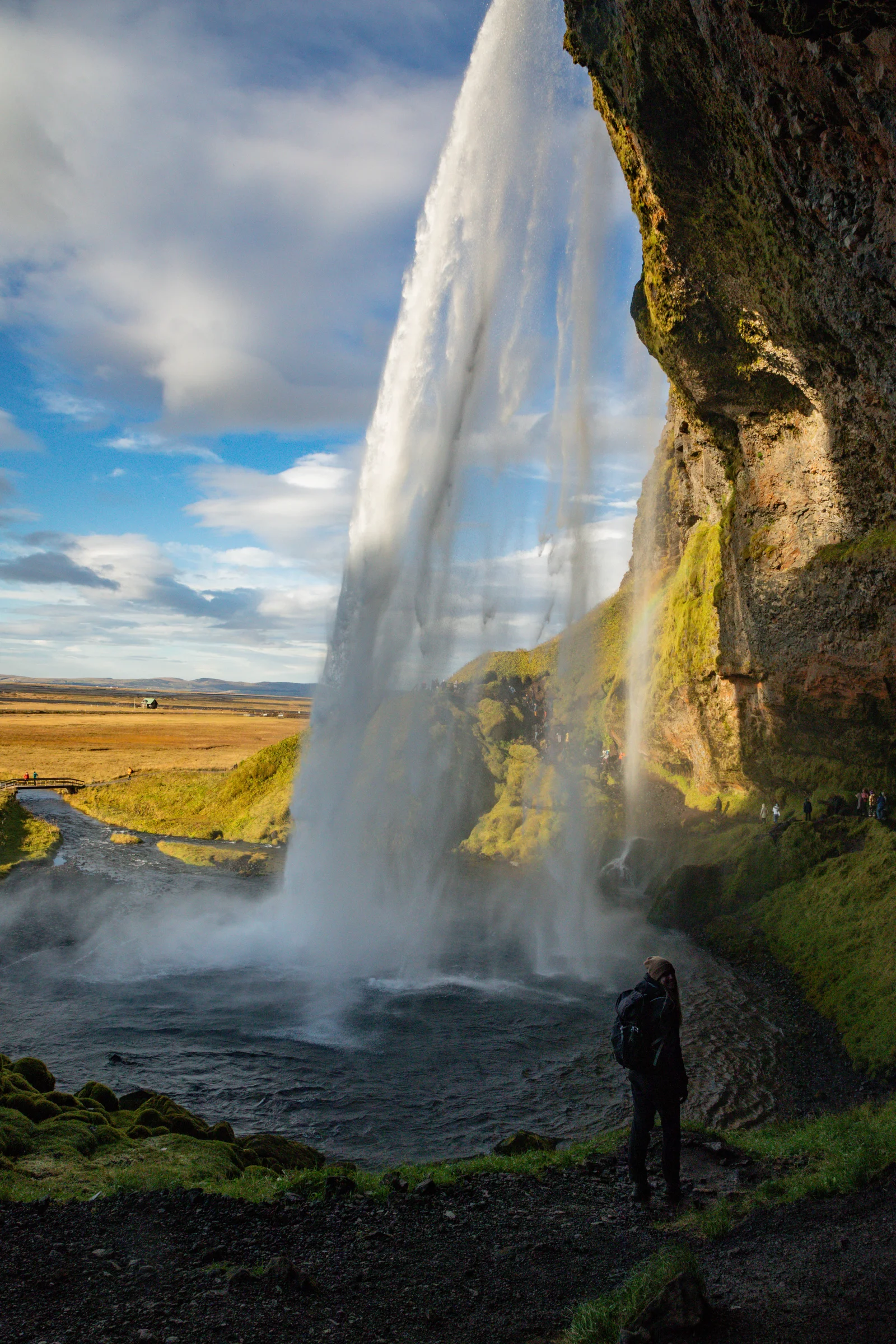
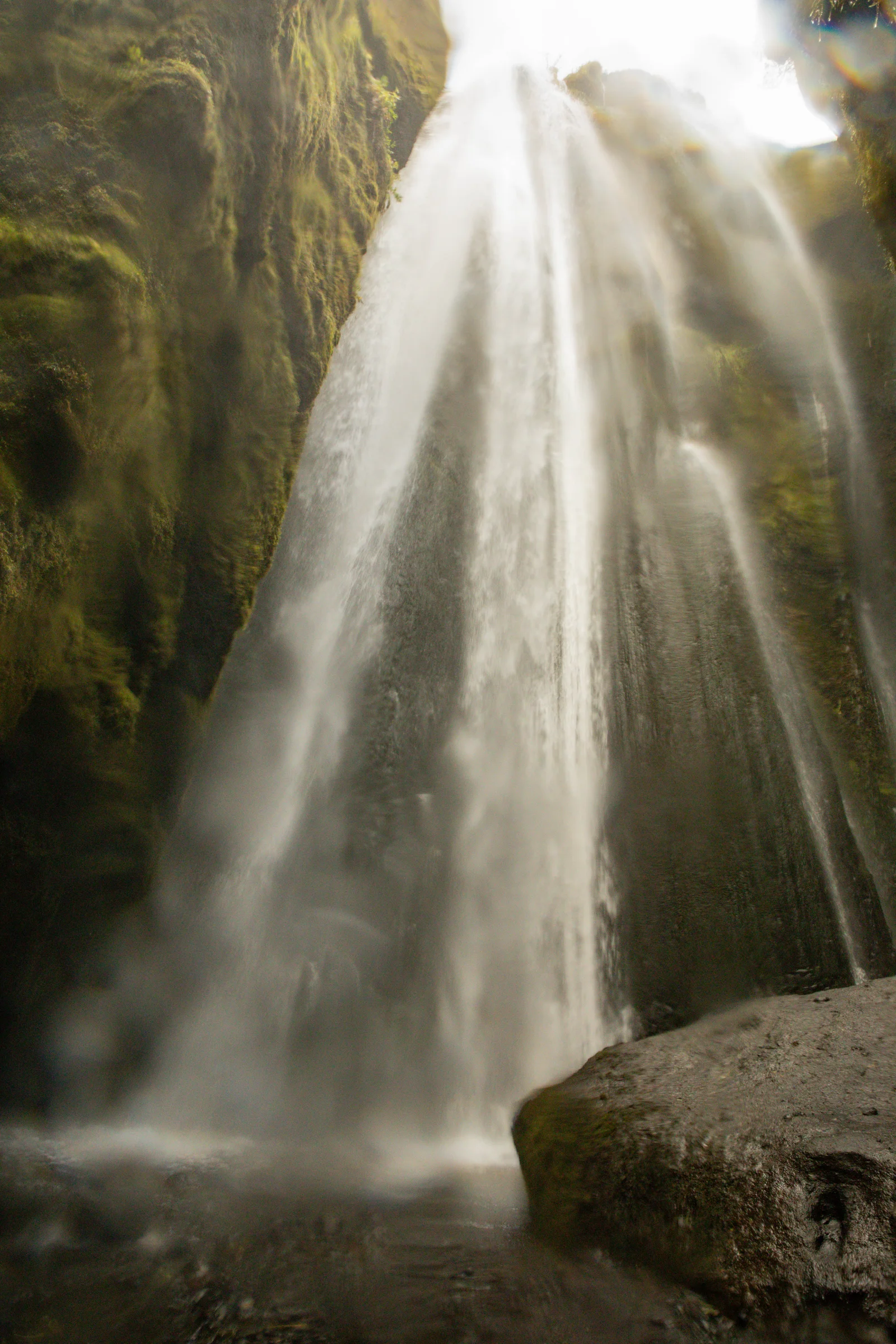
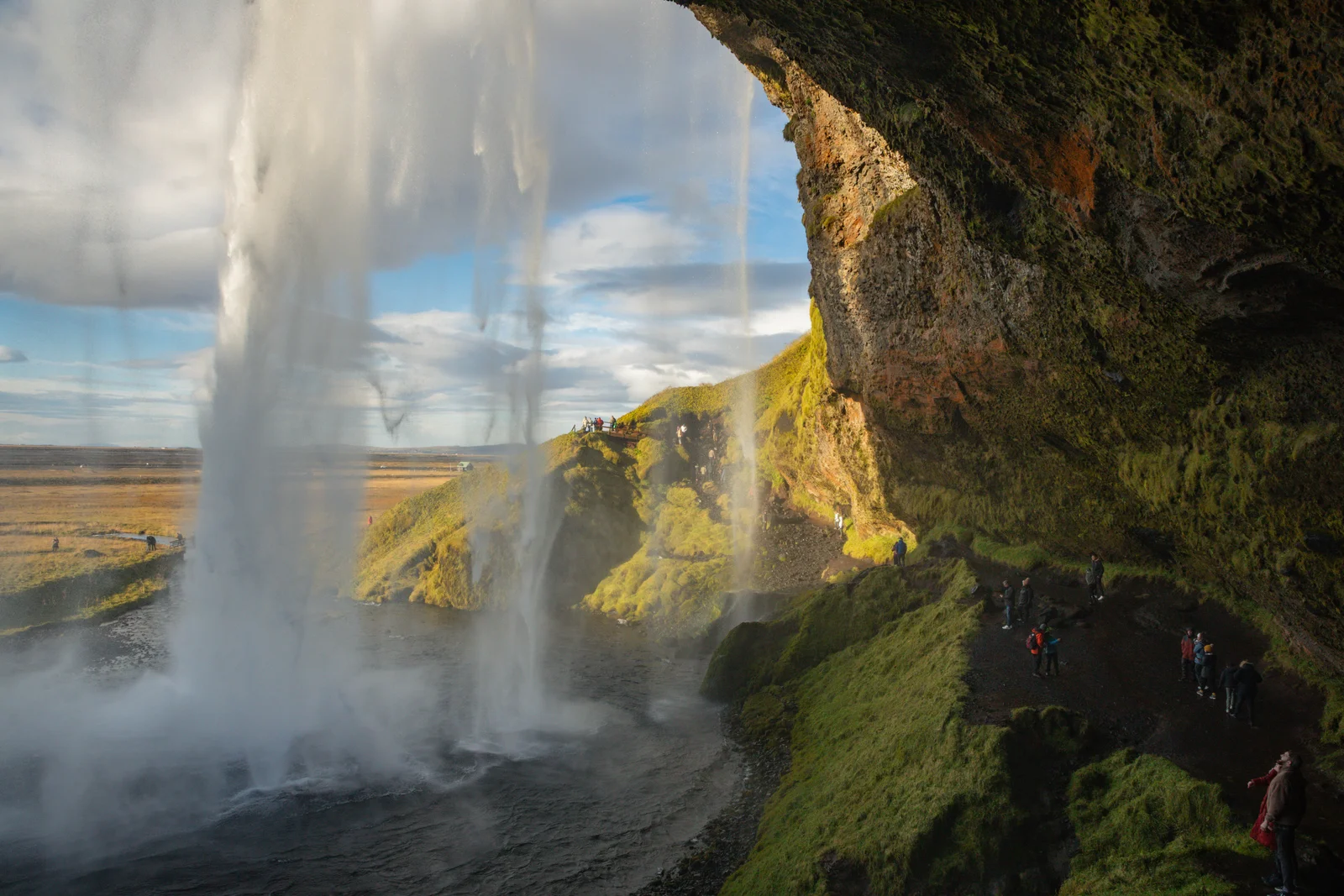
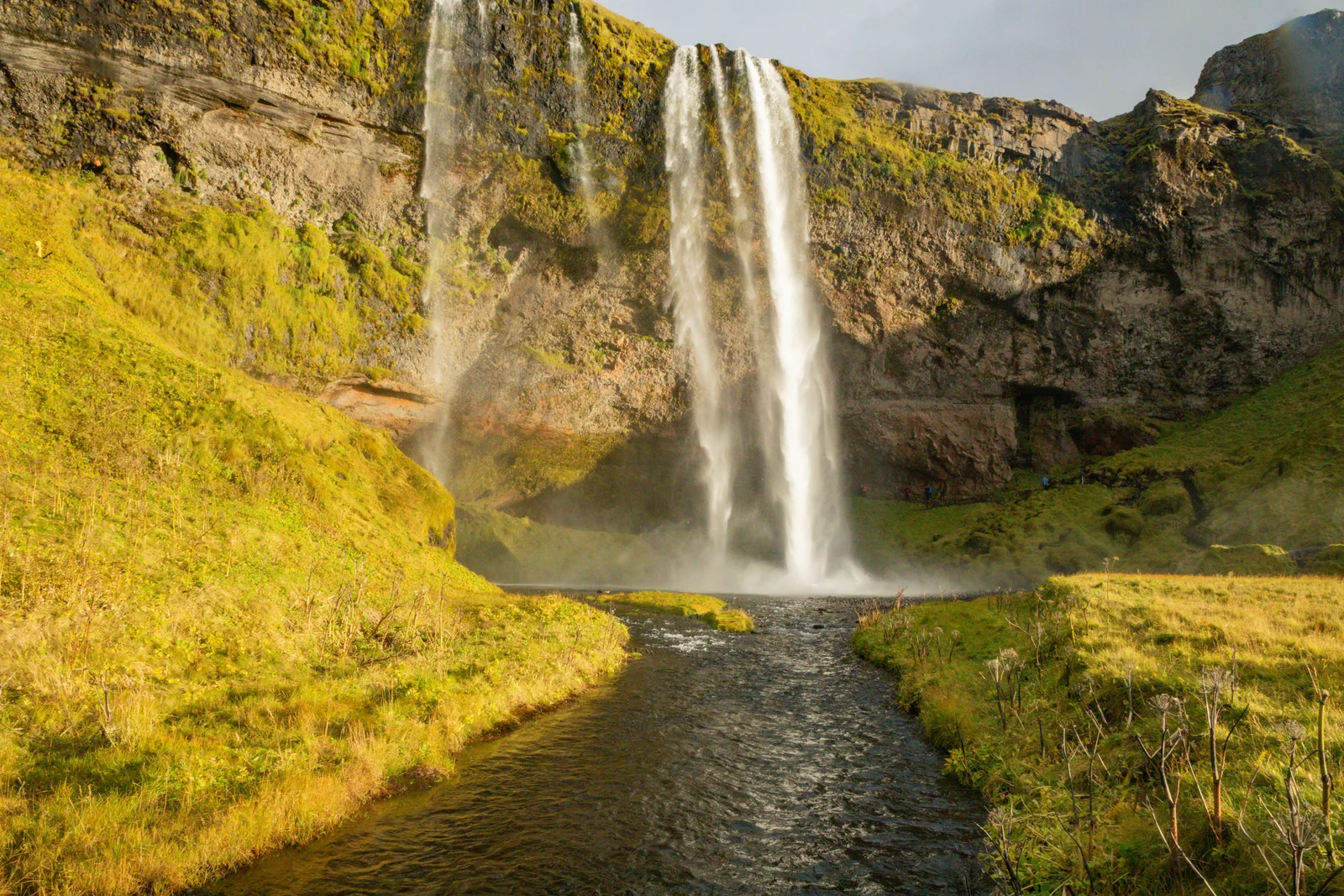
Next, we took a short five-minute walk to Gljúfrabúi Waterfall. This hidden gem is located inside a cave, making it a breathtaking sight. With water cascading down the rocks, it’s impossible not to get soaked, so make sure to wear all your rain gear. There is a small path leading from Seljalandsfoss to Gljúfrabúi, and it’s easy to find. This experience highlighted the incredible natural beauty of our Iceland road journey.
Our final stop in the south coast trio was Nauthúsagil. This small hike through a ravine requires some rock-hopping and using chains and ropes to climb, but it’s well worth the adventure. The parking area is a bit further from the main road, and the hike to the waterfall is about 20 minutes. The challenge added an exciting twist to our Iceland road trip. Despite sounding intense, it was manageable.
If you manage to stay dry, consider it a bonus!
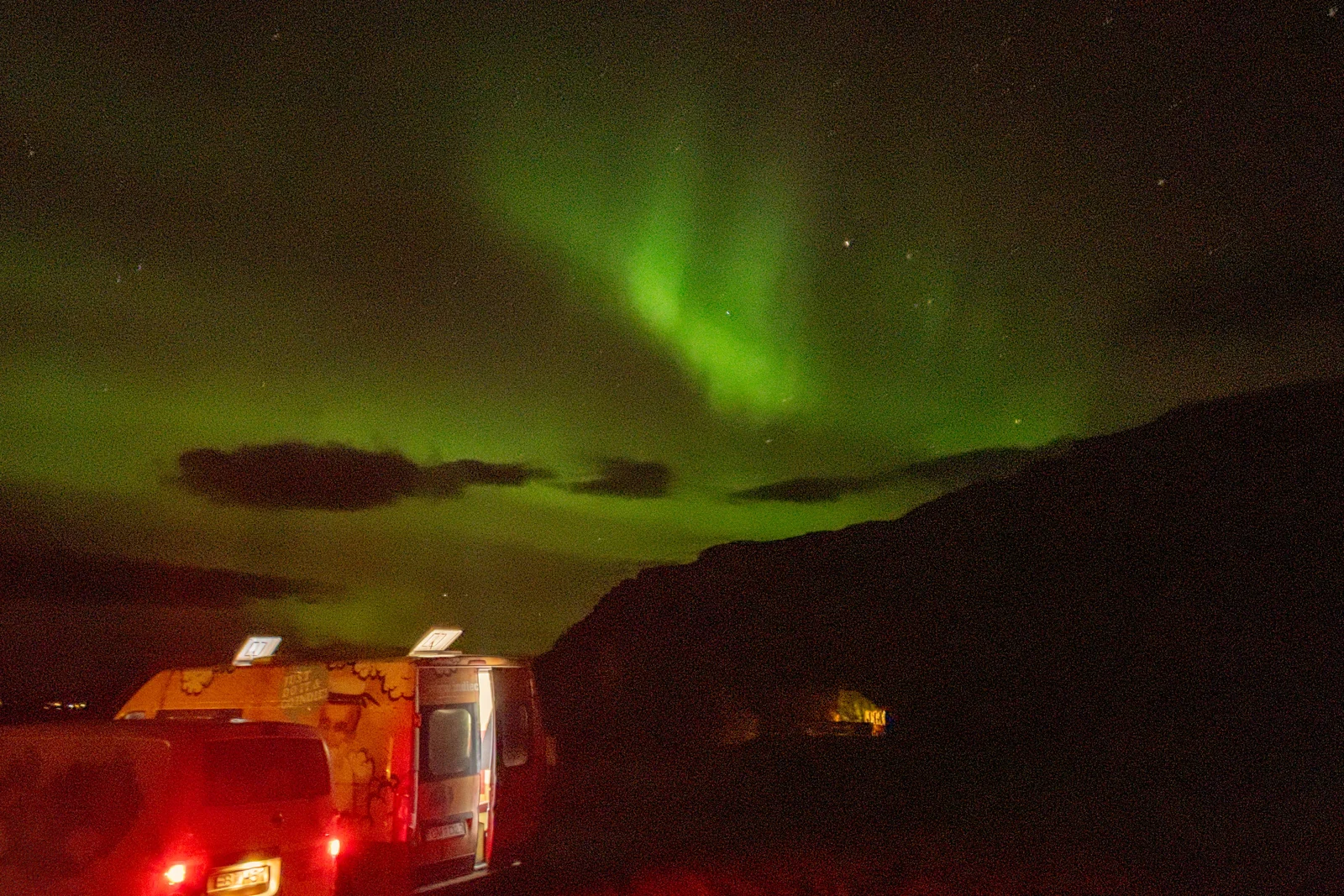
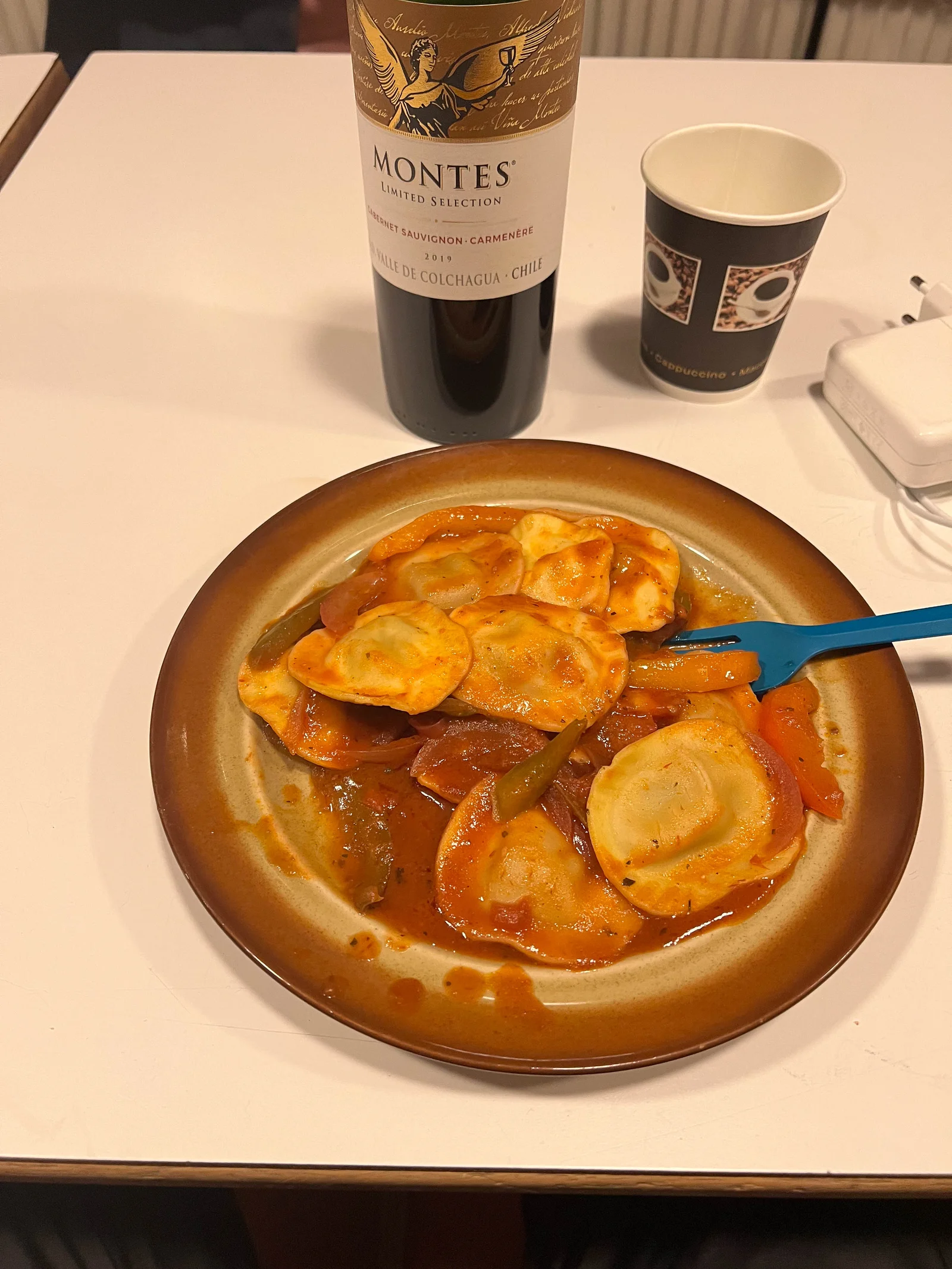
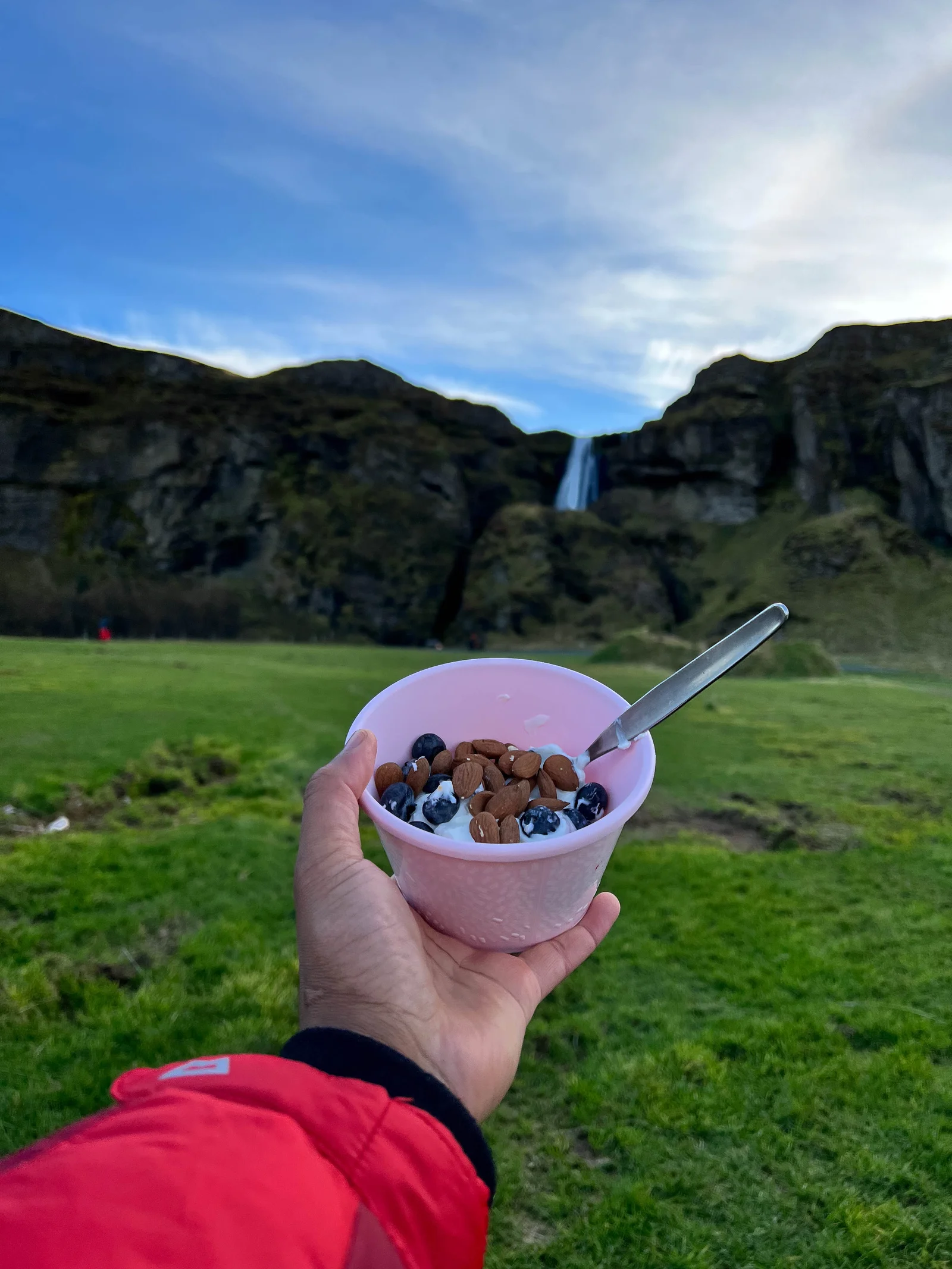
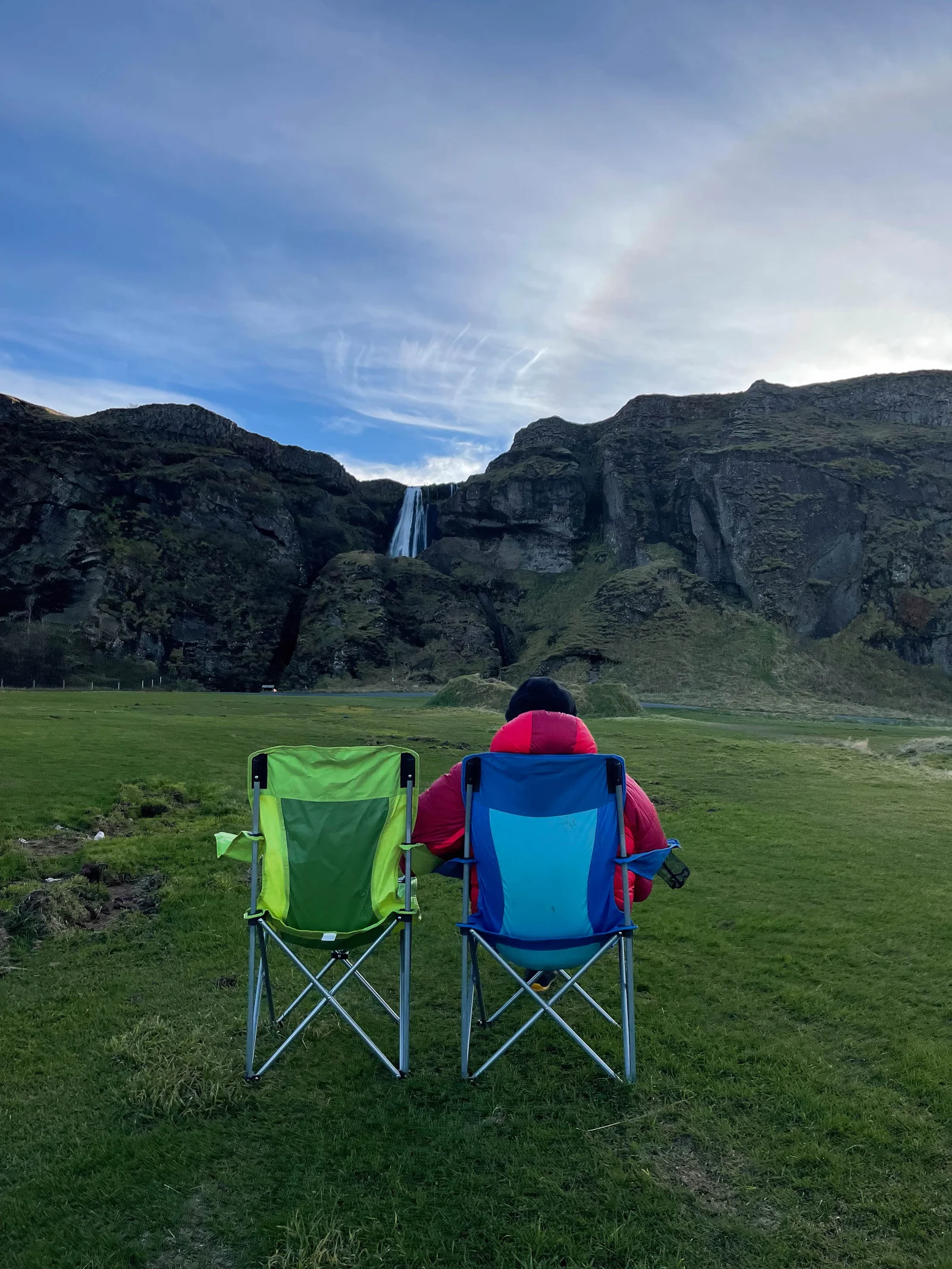
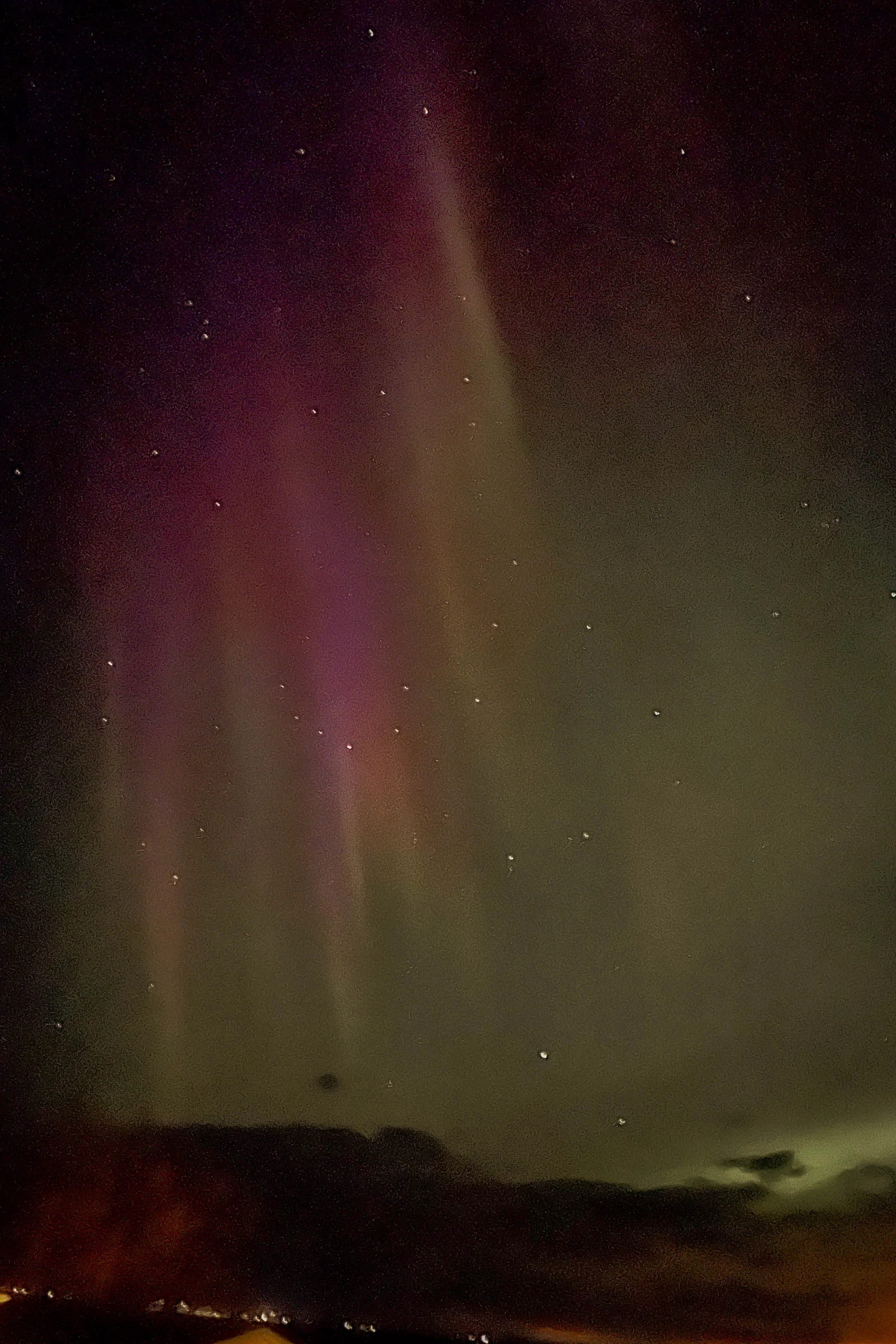
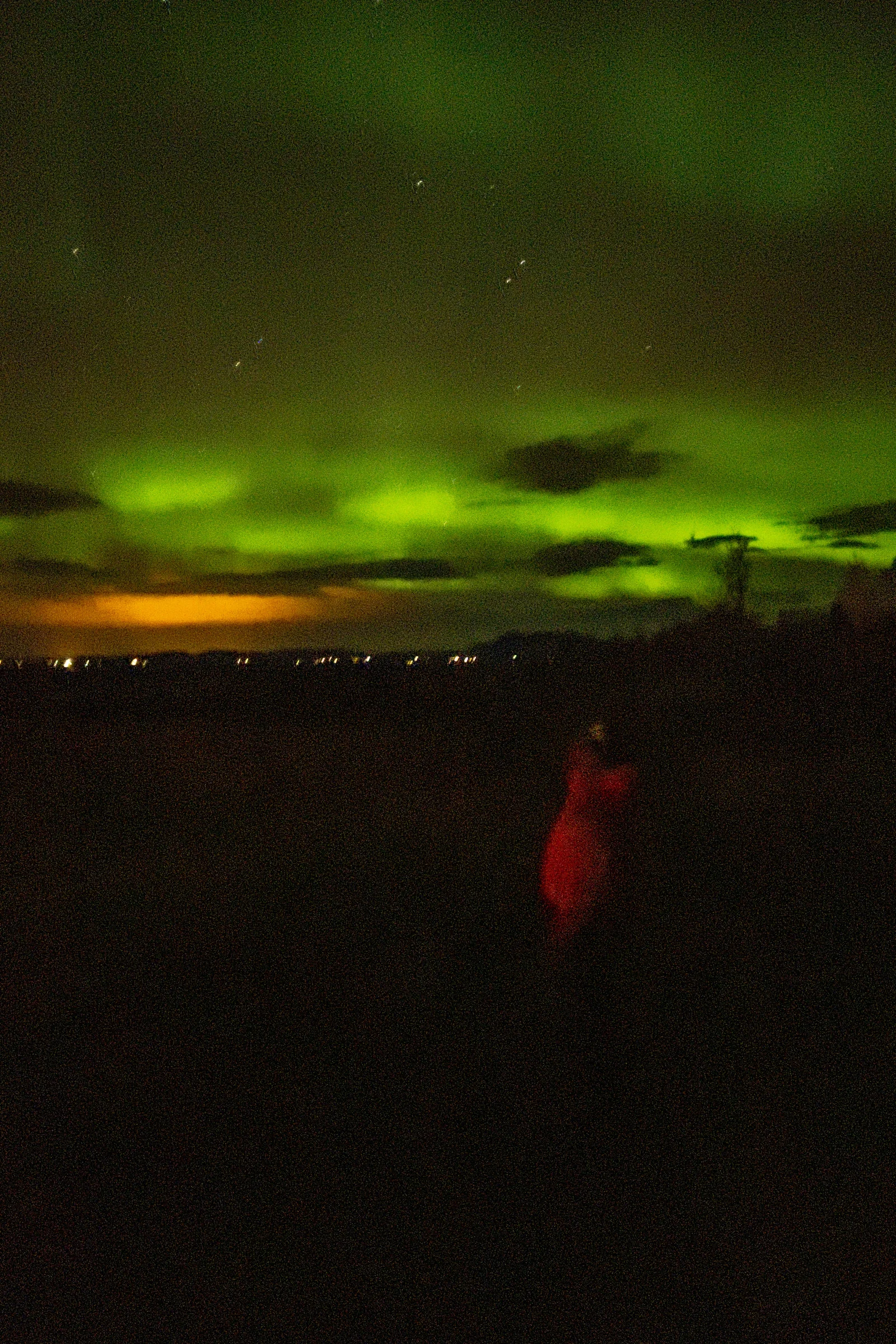
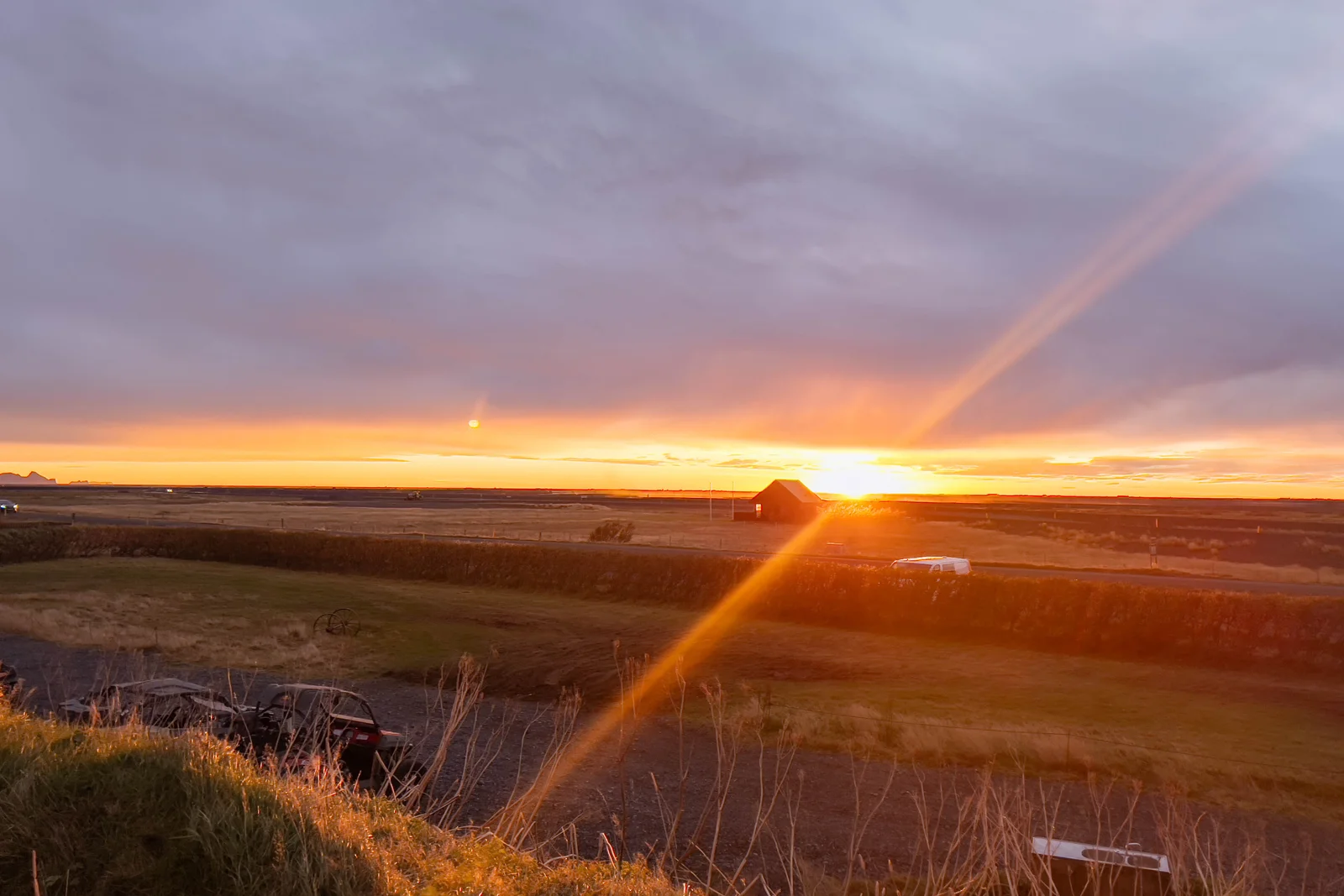
We ended the day at Hamragarðar Camping, a perfect spot on our Iceland road trip. There, we prepared our dinner using both the van and the camping kitchen.
A true blessing of the day was witnessing the Aurora Borealis at our campsite. Seeing the Northern Lights was a magical experience that added a perfect ending to our Iceland road adventure.
Travel Tip:
Here are some additional tips for visiting these waterfalls:
Accessibility: All three waterfalls are accessible by car and have designated parking areas.
Best Times to Visit: Early morning or late afternoon to avoid crowds, especially at Seljalandsfoss.
Facilities: Seljalandsfoss has restrooms and a small shop. Gljúfrabúi and Nauthúsagil have limited facilities, so plan accordingly.
Route Tip: Depending on your starting point, begin at Nauthúsagil, then proceed to Seljalandsfoss, and finally, drive to Skogafoss, where you can camp for the night.
Safety: Wear sturdy shoes for hiking and bring waterproof gear to stay dry.
These tips will help ensure you have a smooth and enjoyable experience exploring these beautiful waterfalls on your Iceland road trip.
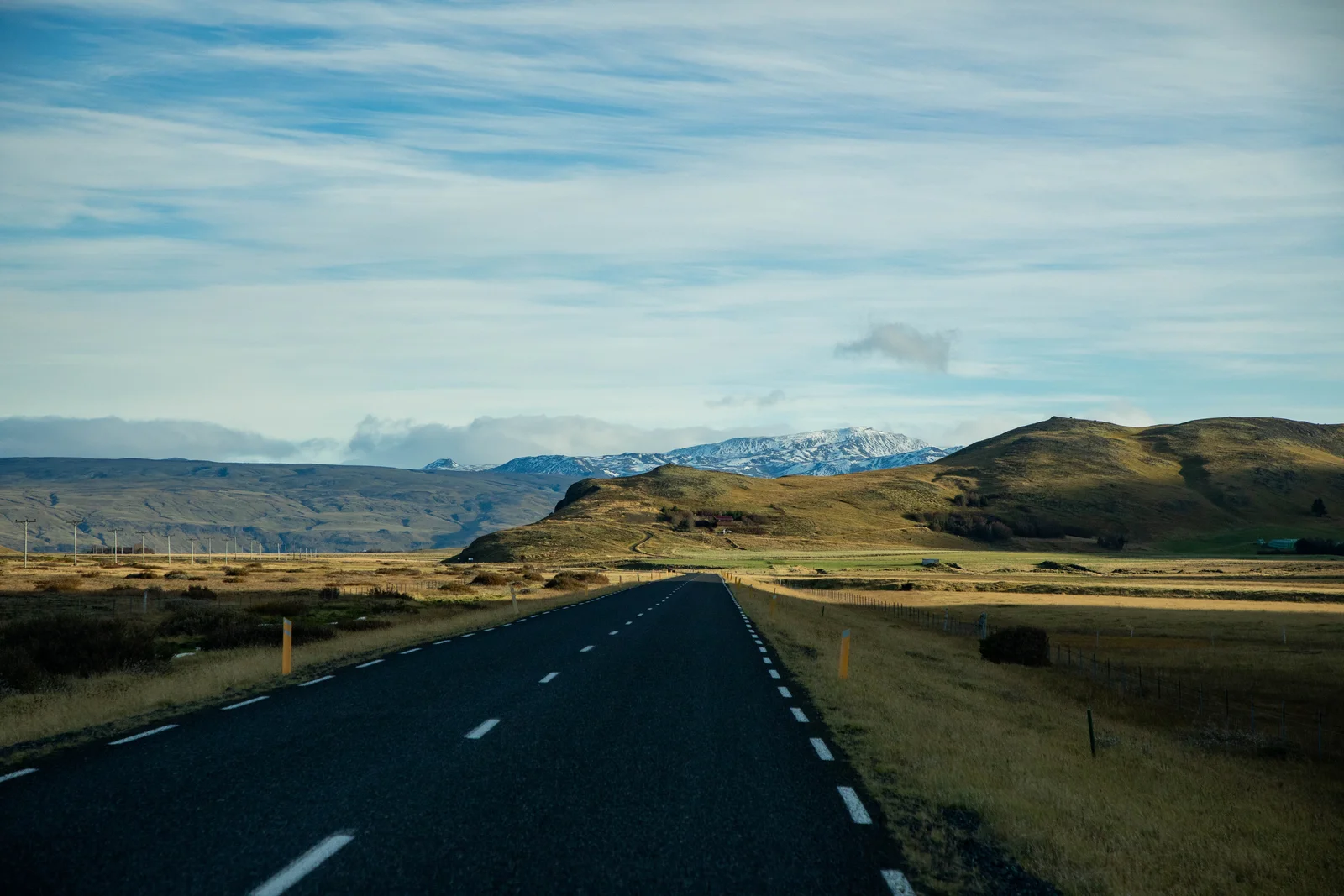
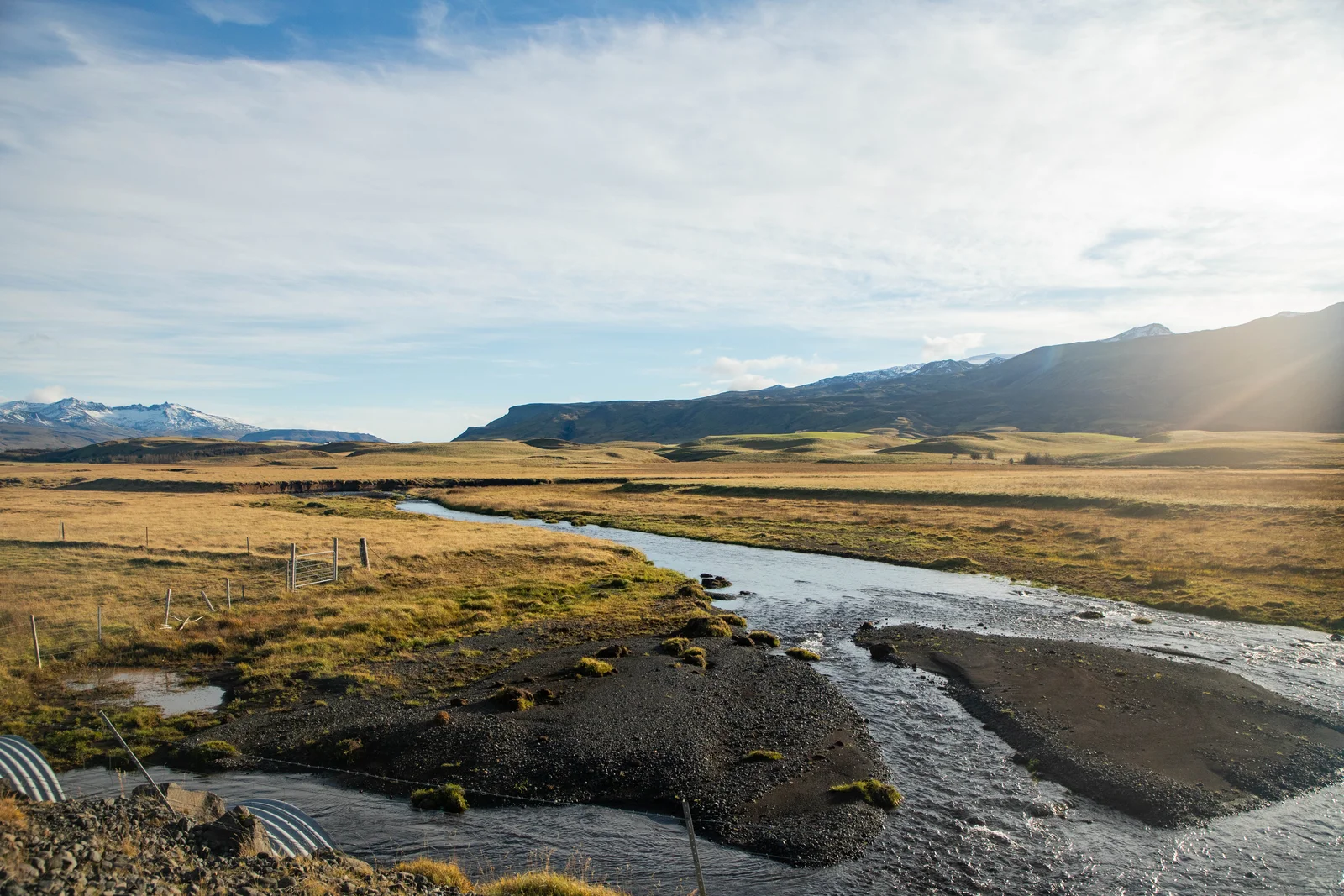
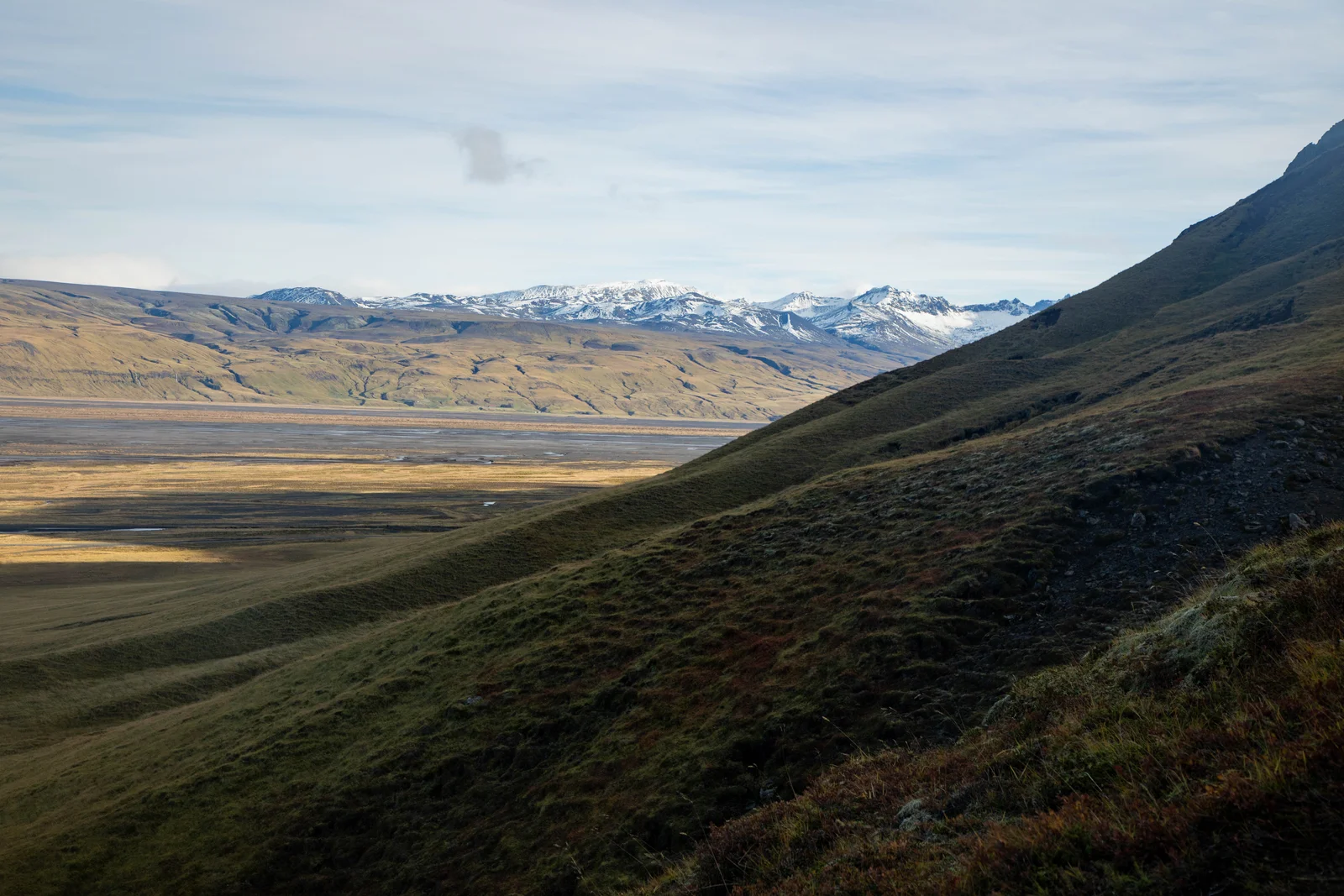
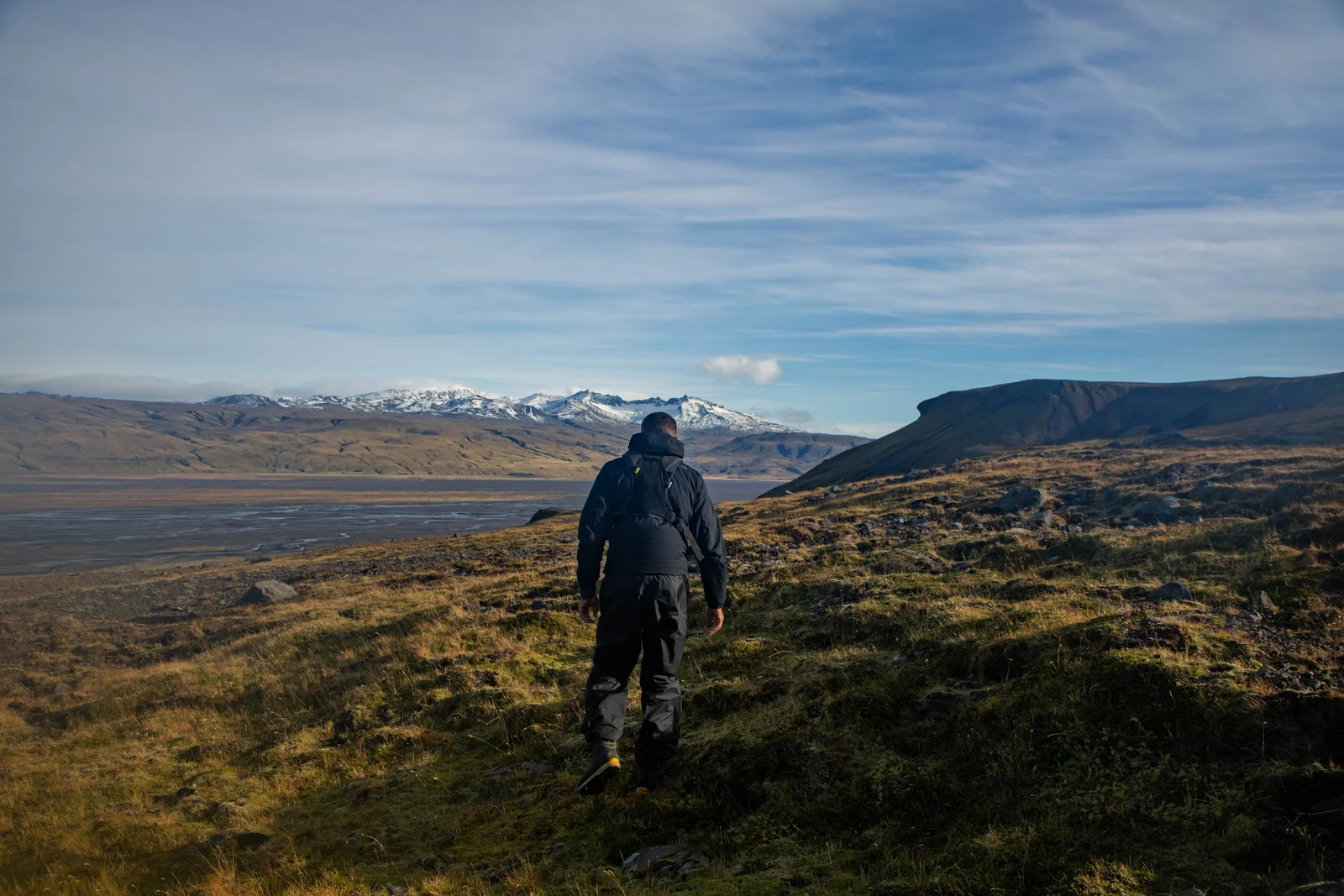
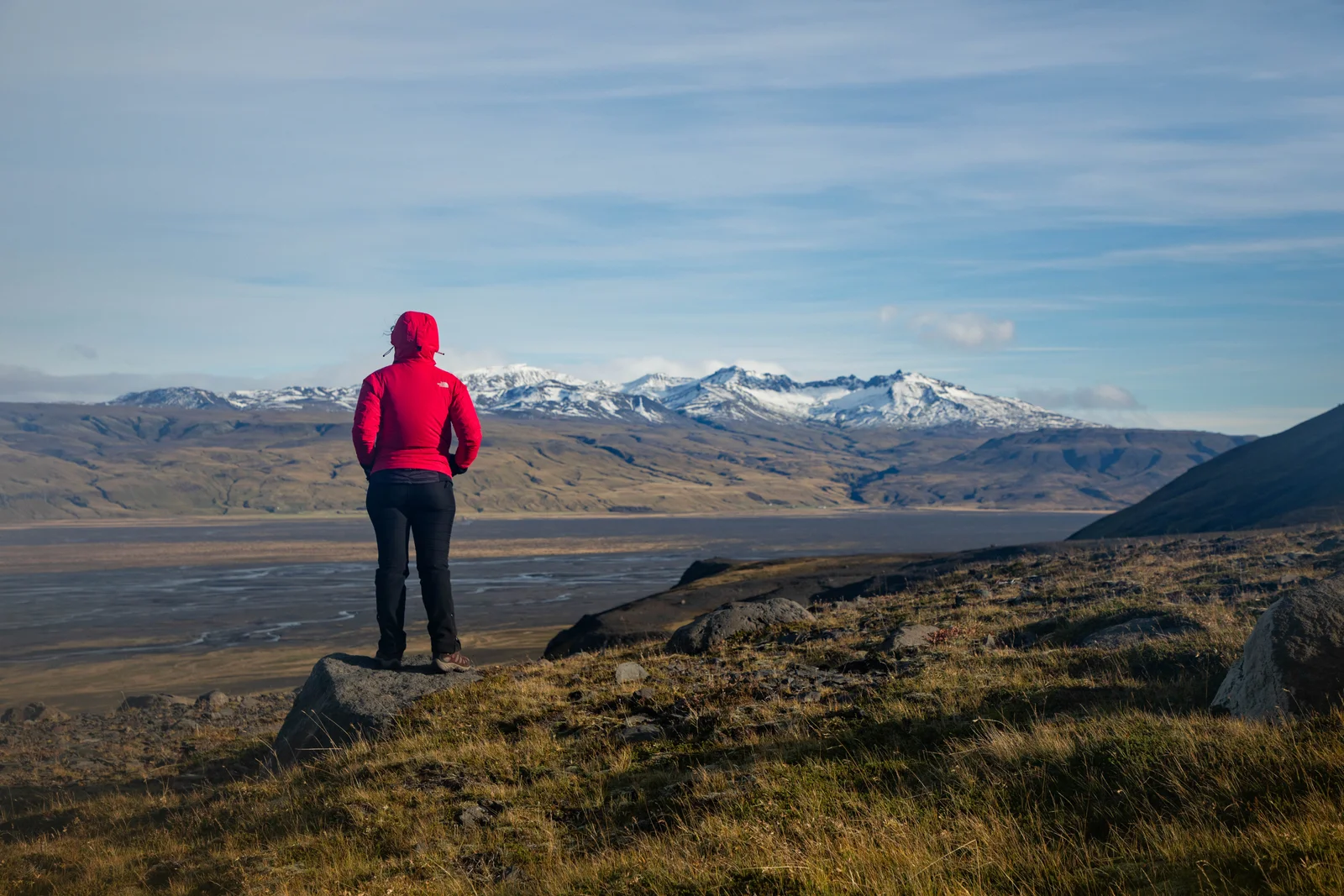
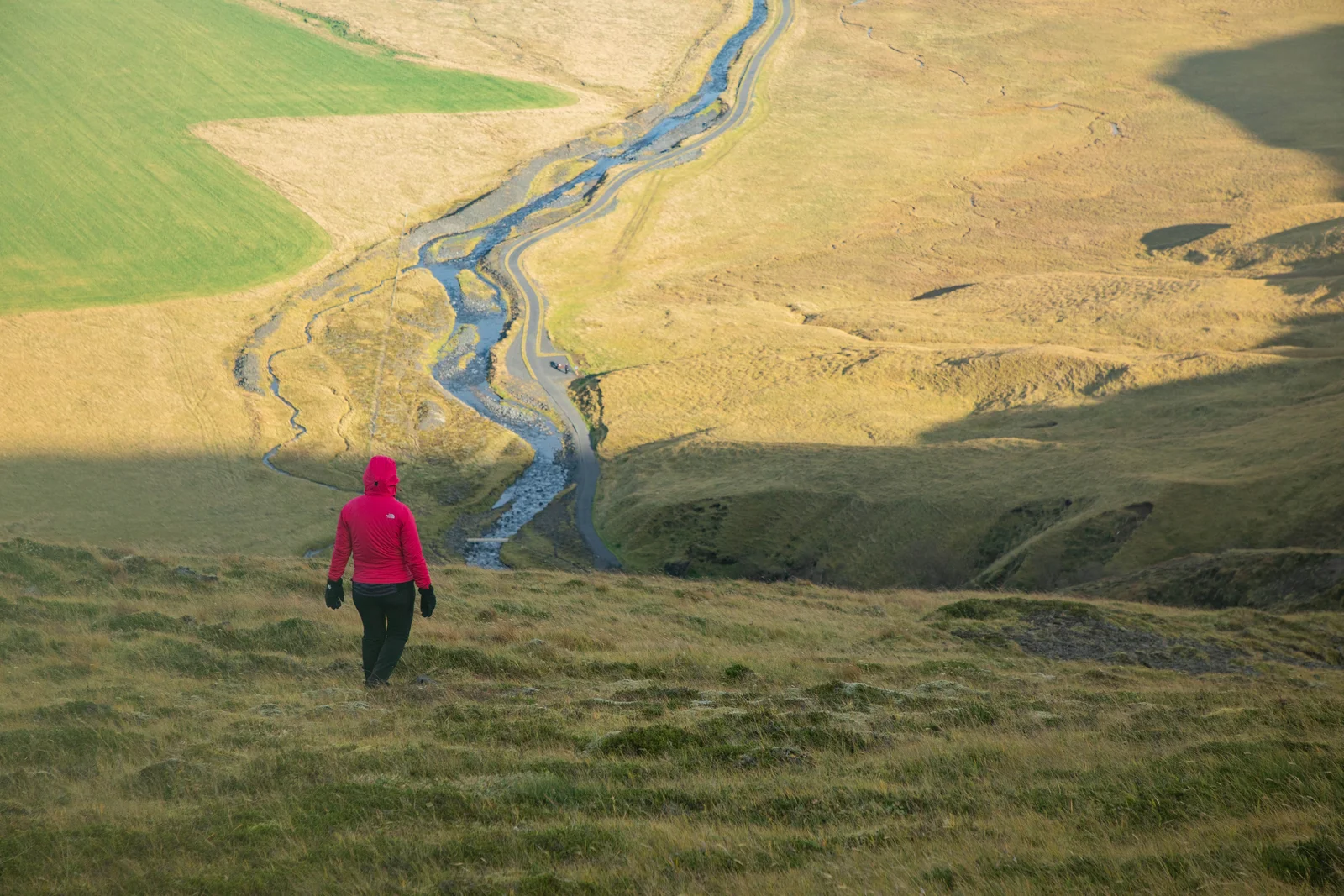
On the second day of our Iceland road trip, we explored some of the most iconic and breathtaking sites in South Iceland.
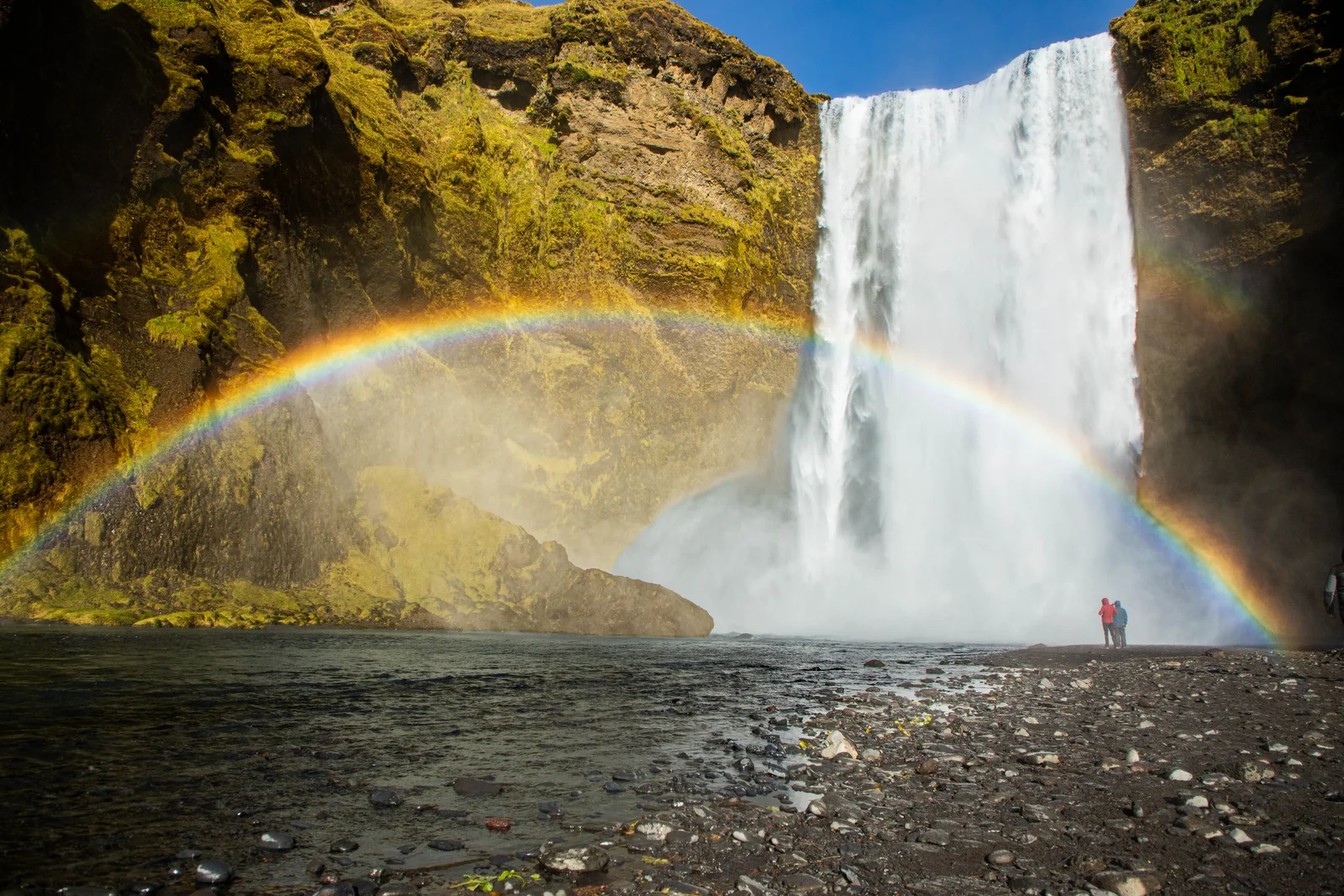
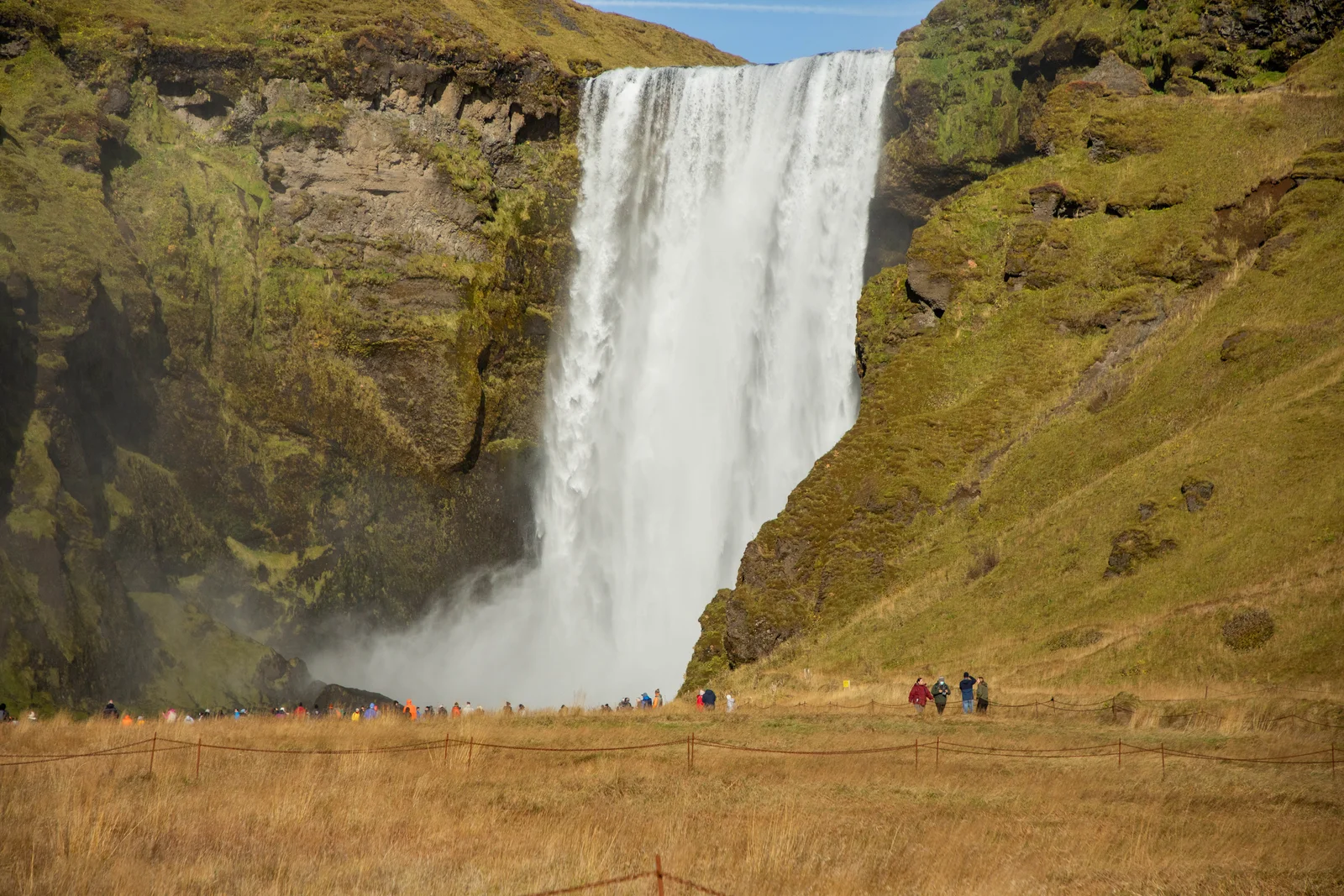
Skogafoss Waterfall
We started our day at Skogafoss Waterfall, one of Iceland’s most popular and stunning waterfalls. Skip the stairs and enjoy the view from the base, where the waterfall’s power and beauty are most impressive.
Kvernufoss Waterfall
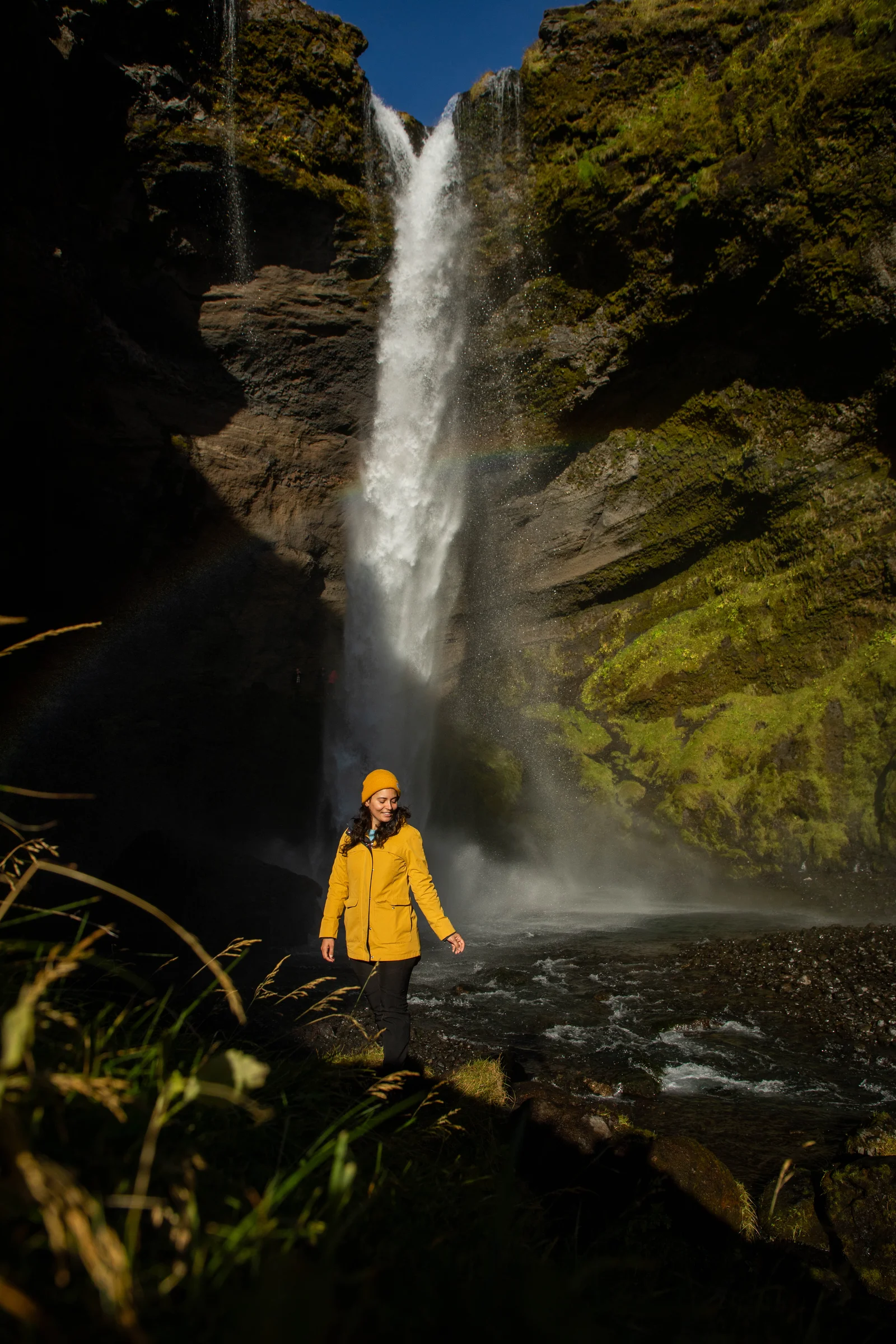
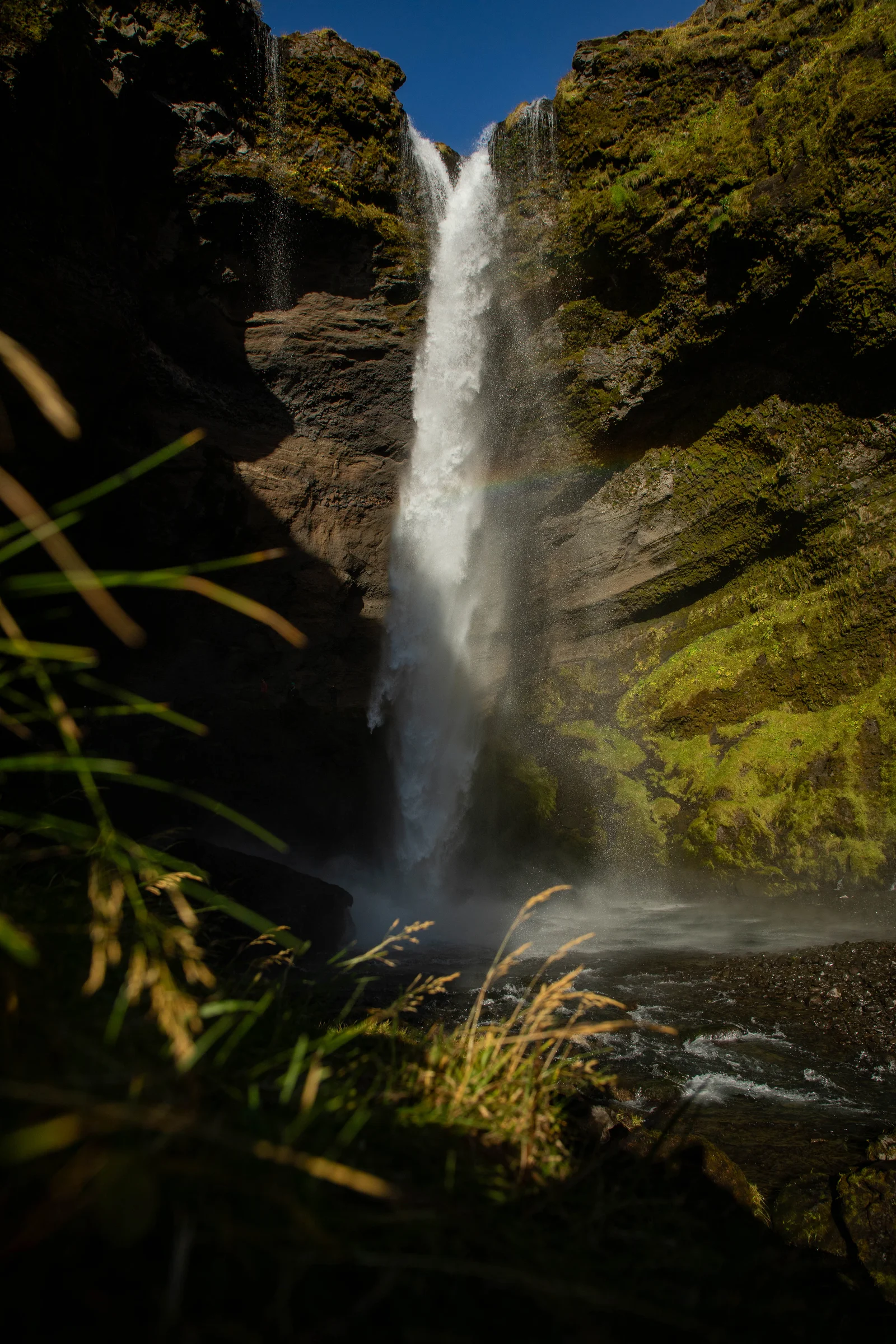
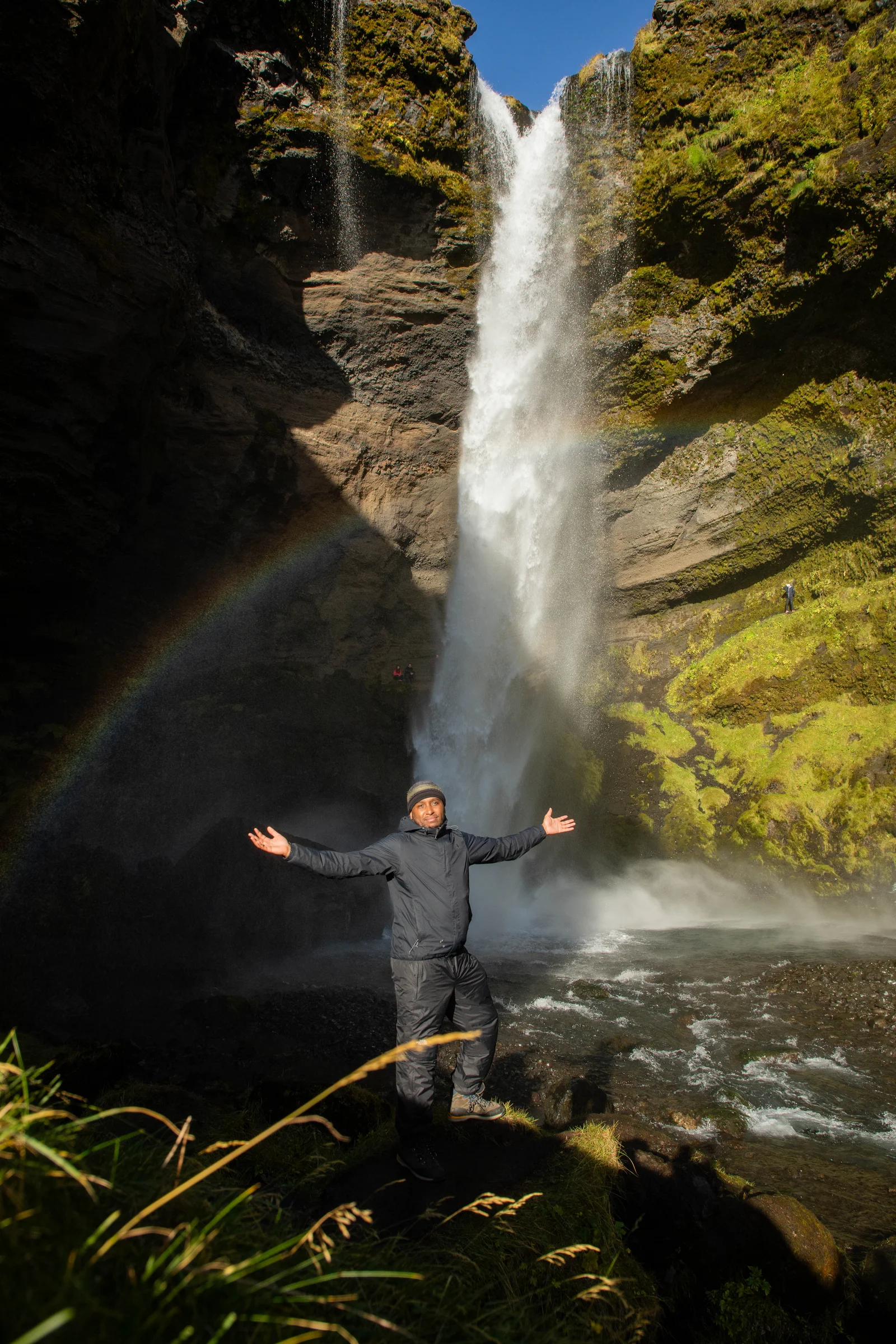
Next, we drove just a minute away to Kvernufoss Waterfall, a semi-private gem. We parked at the end of the Skogar Museum and followed the path over the fence, leading to the canyon. The 20-minute walk was easy and revealed a delightful surprise at the waterfall’s base.
Dyrhólaey
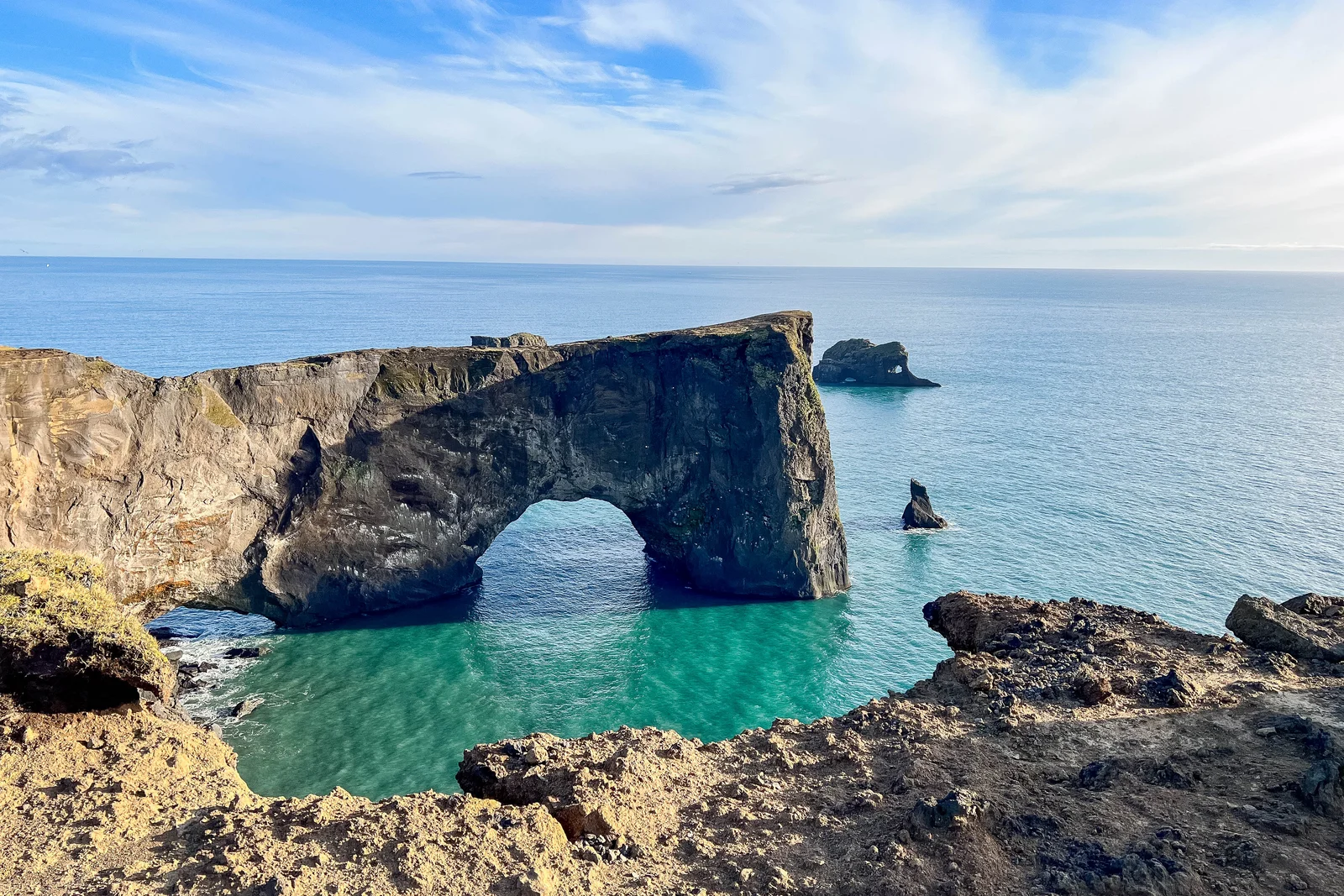
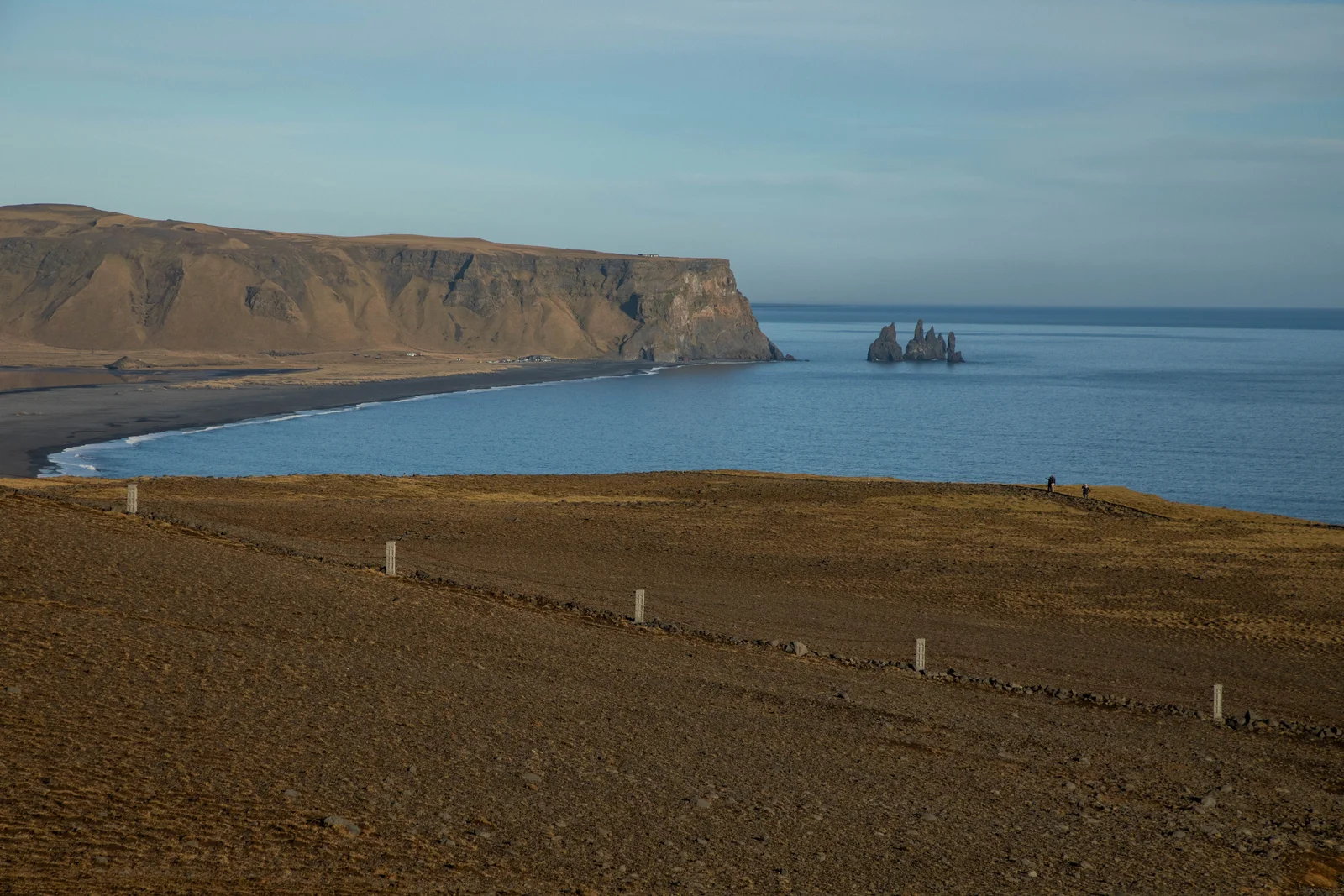
Our journey continued to Dyrhólaey, known for its photogenic cliffs and dramatic sea arches. In summer, you can spot puffins nesting in the cliffs. The road up is steep, but manageable with most vehicles. The view from the top, including the lighthouse, is spectacular and a must-see on your Iceland road journey.
Reynisfjara Black Sand Beach
Reynisfjara Black Sand Beach was our next stop. This unique beach, with its black volcanic sand and basalt rock columns, is one of the most beautiful beaches in the world. The dramatic sea stacks offshore make it incredibly photogenic. However, the waves are dangerous, so be cautious and avoid playing in the surf.
Fjaðrárgljúfur Canyon
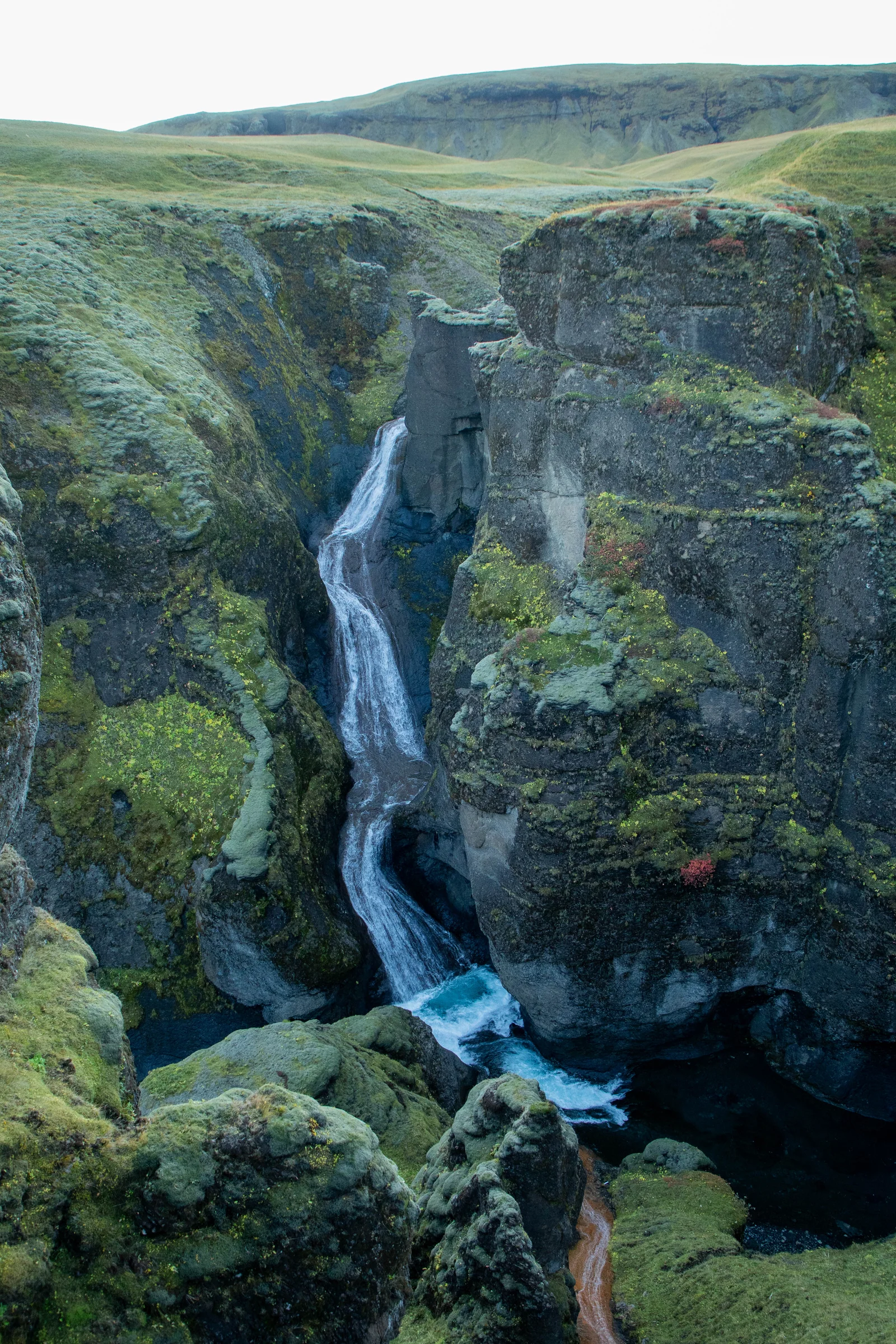
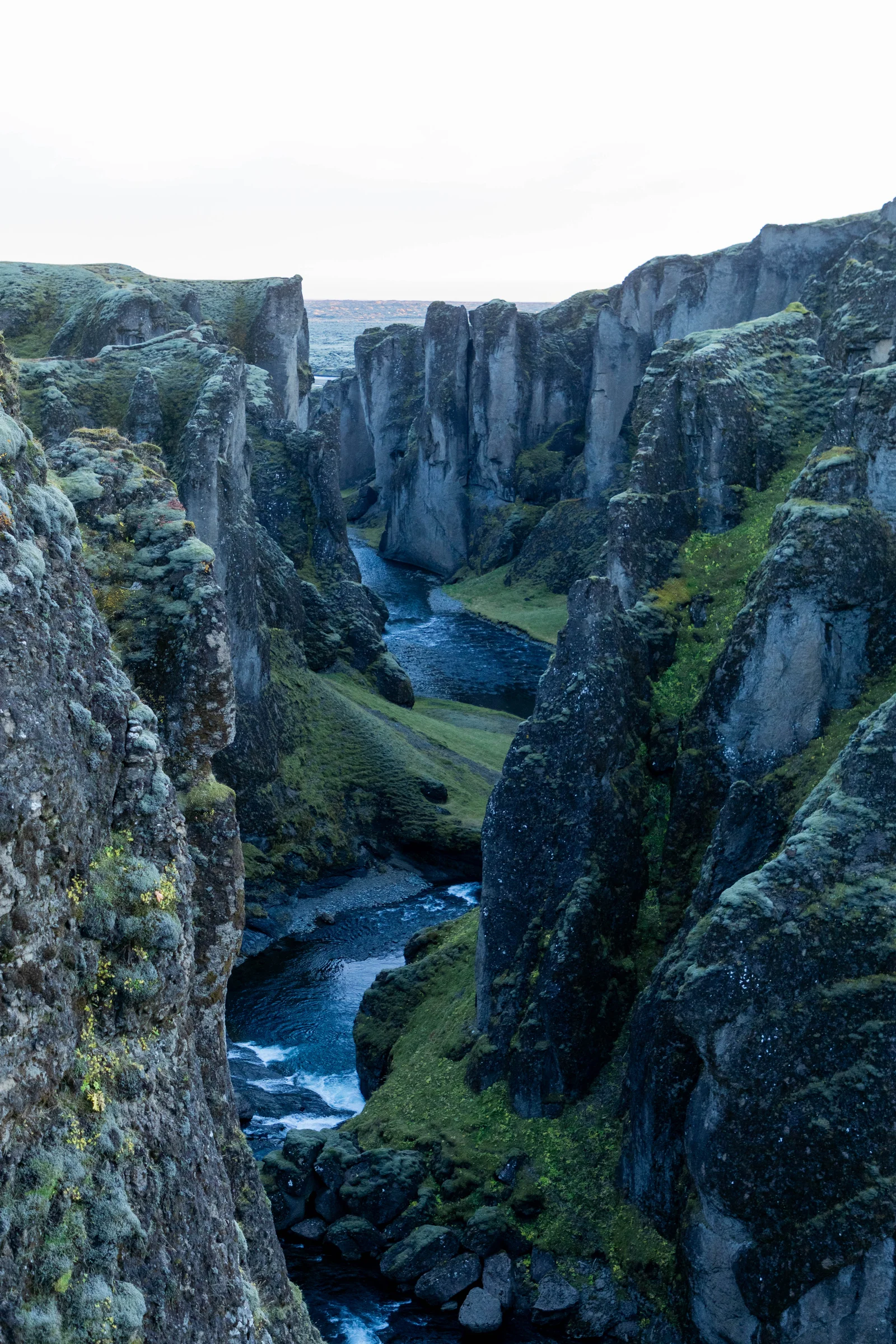
Our final highlight of the day was Fjaðrárgljúfur Canyon, made famous by a Justin Bieber music video. This beautiful canyon features a path that leads to the end where three waterfalls merge. It’s arguably the most stunning canyon in Iceland and the walk is easy with no strenuous hiking required.
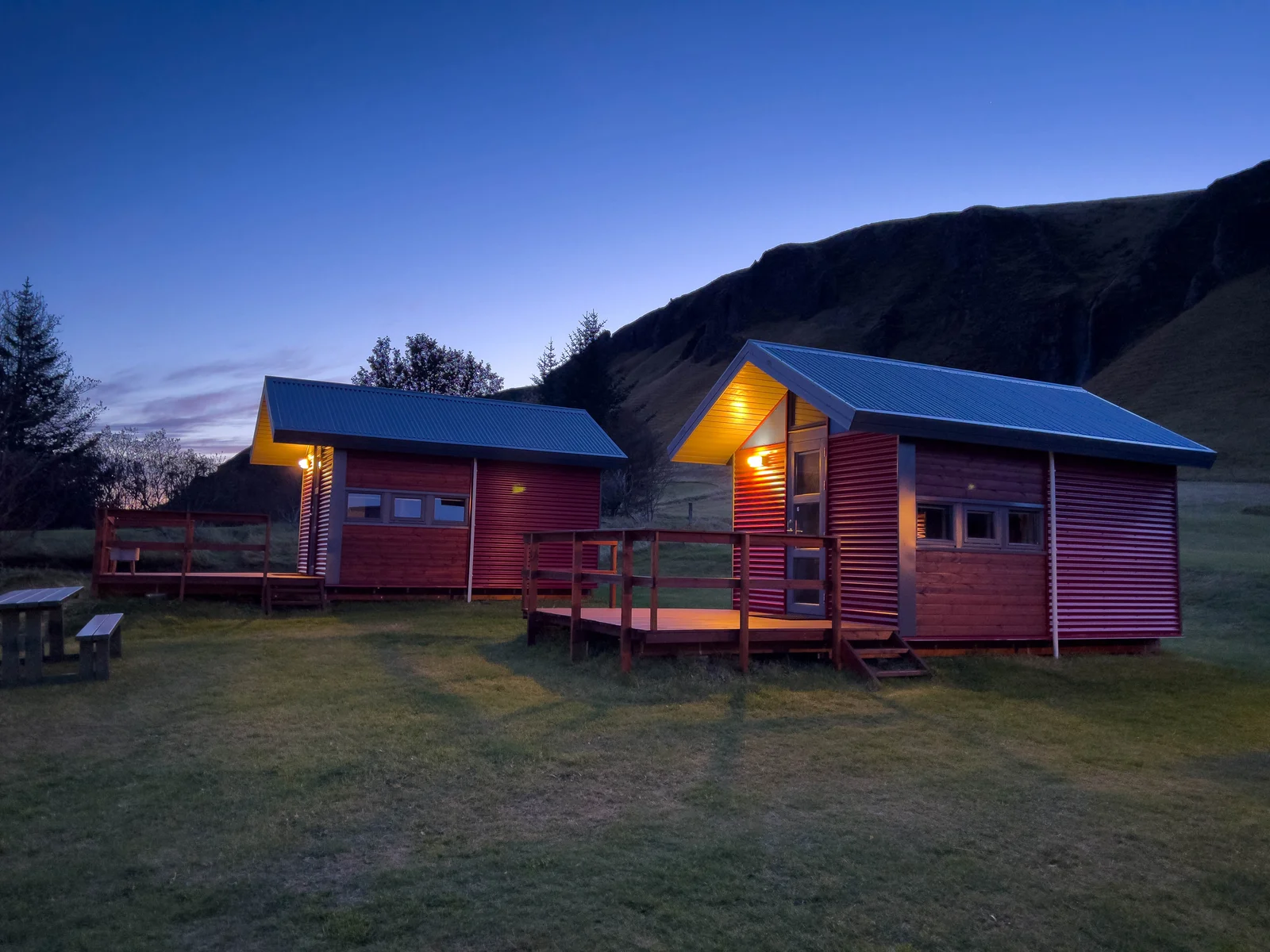
Camping at Skaftafell
We ended the day by camping at Skaftafell Camping, a perfect spot to rest and prepare for the next leg of our Iceland road adventure.
These incredible sites made our second day unforgettable and showcased the diverse beauty of Iceland’s south coast.
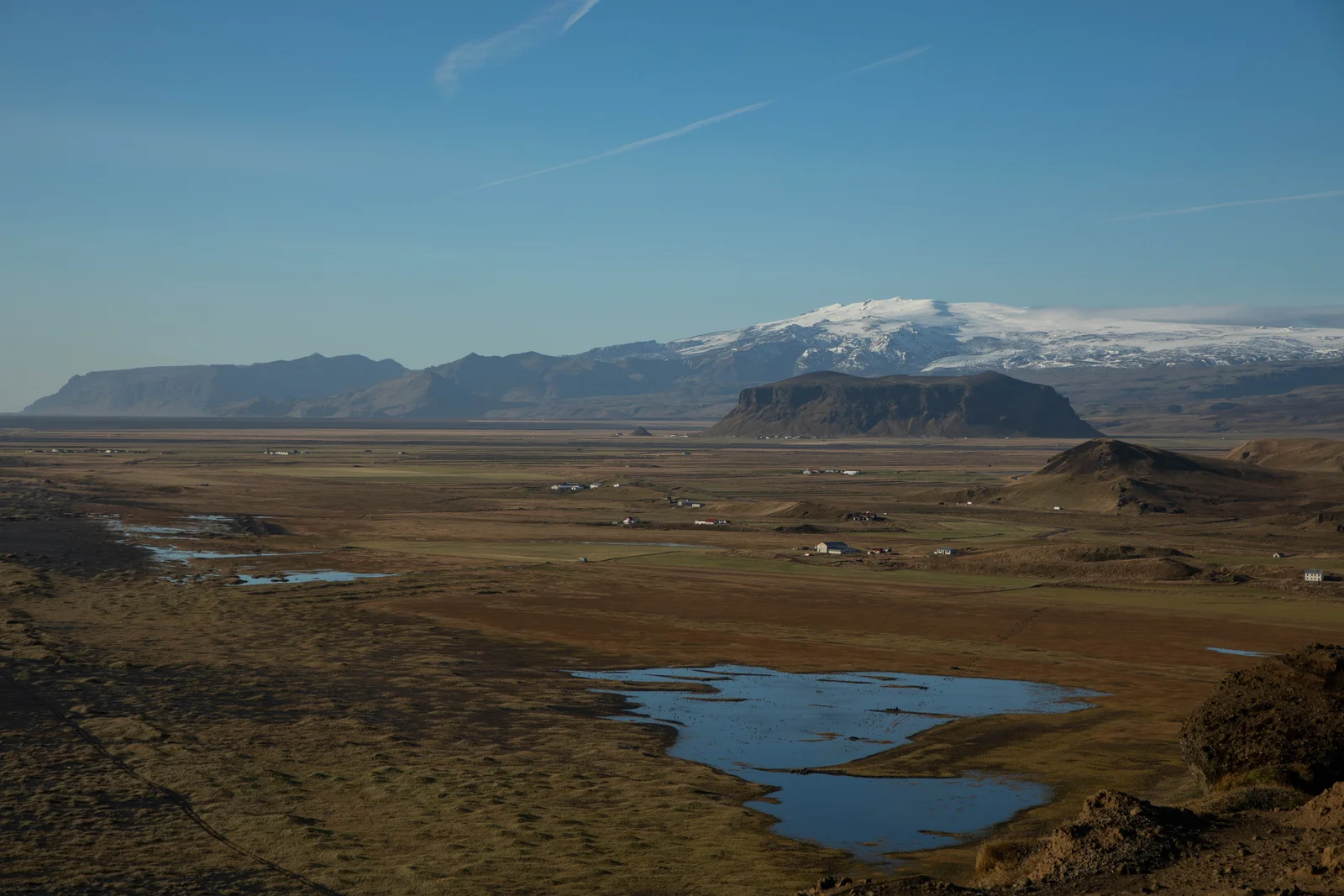
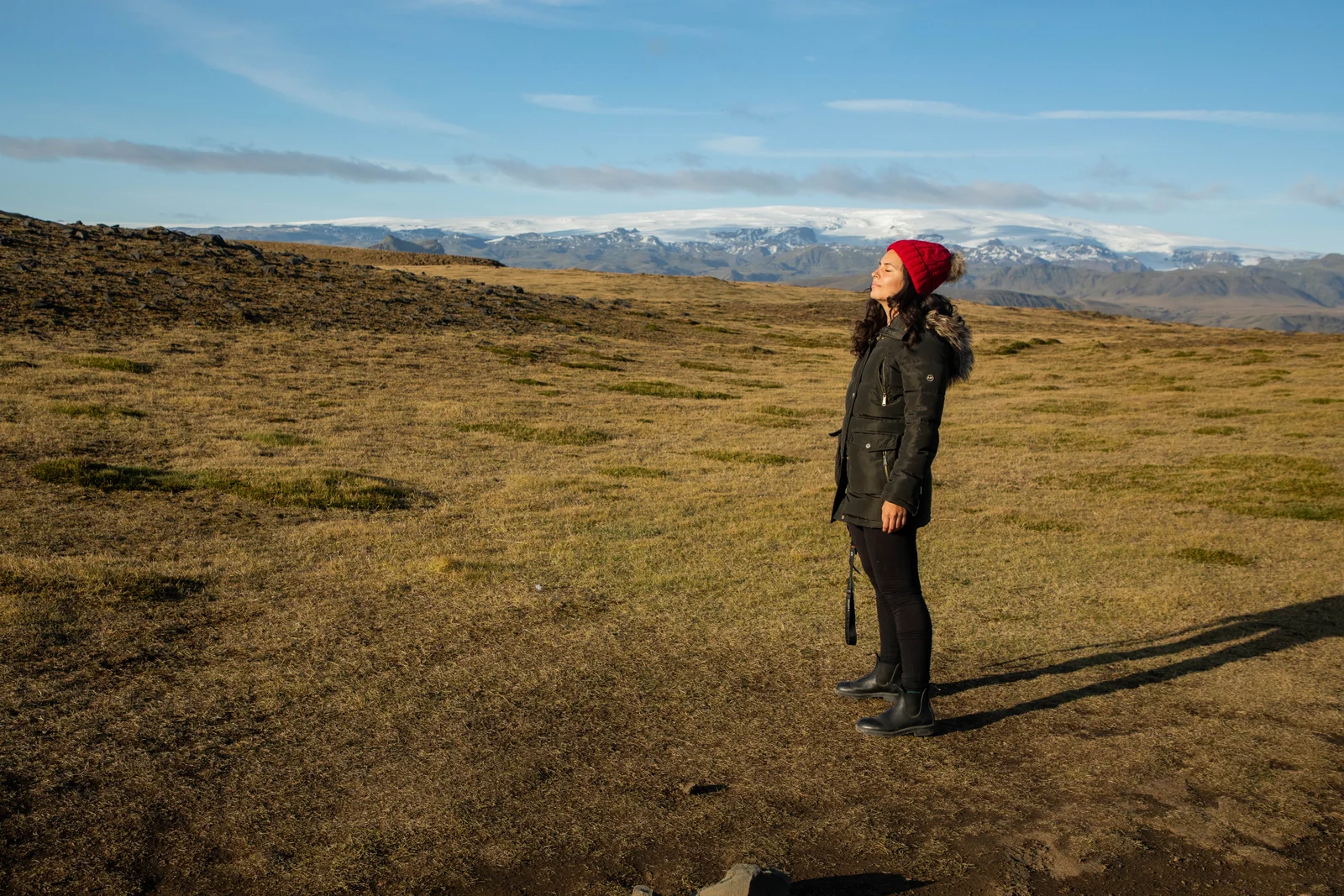
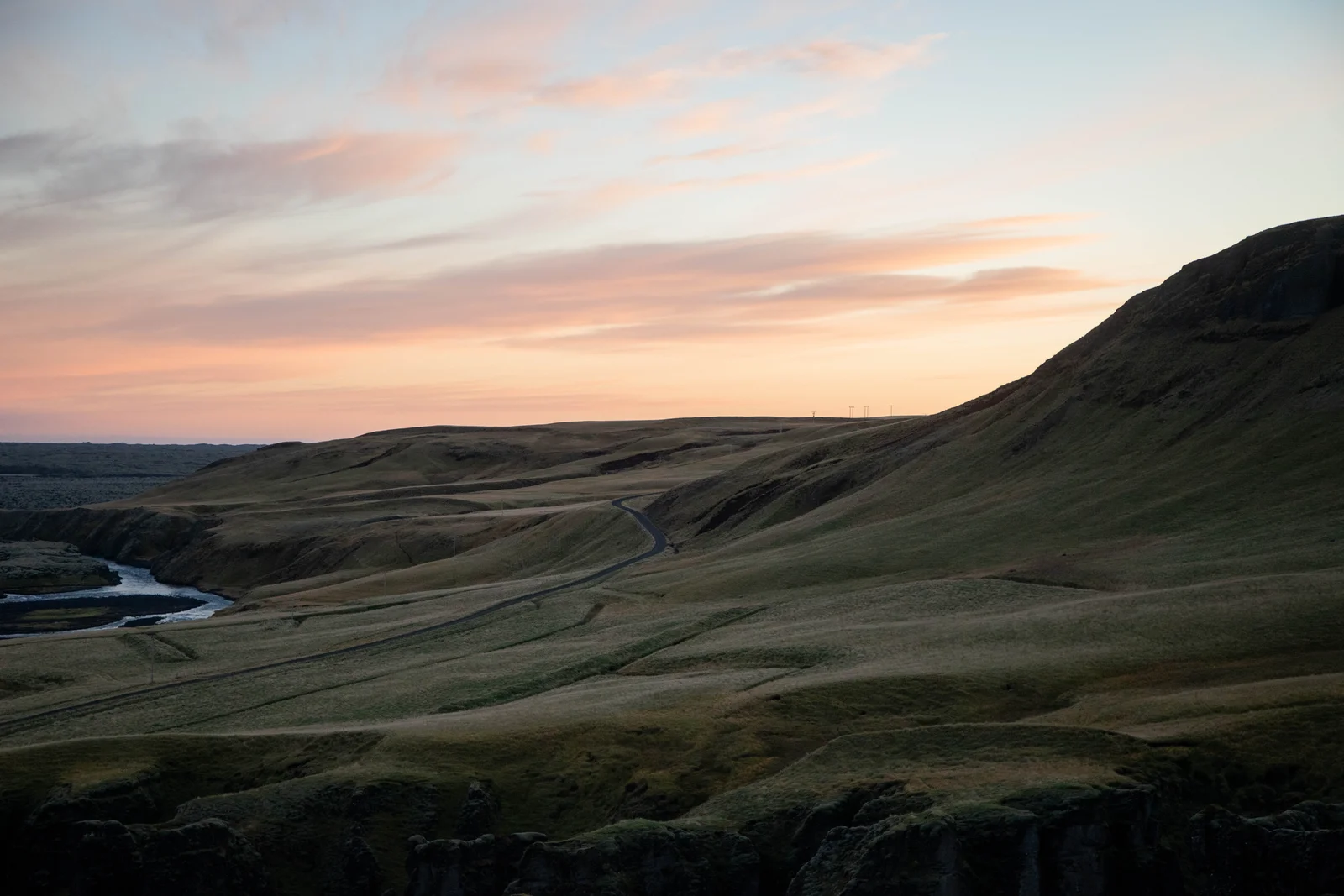
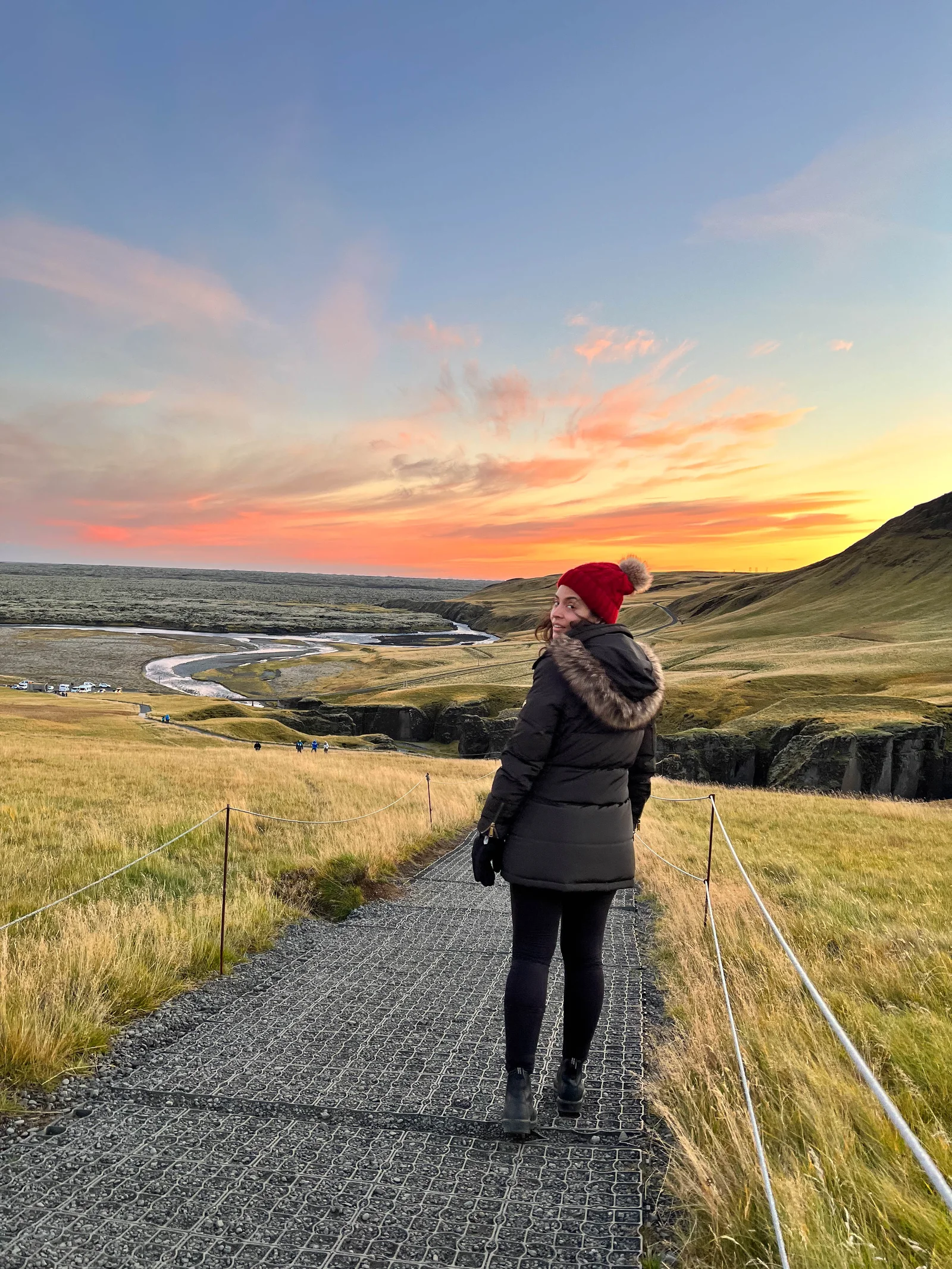
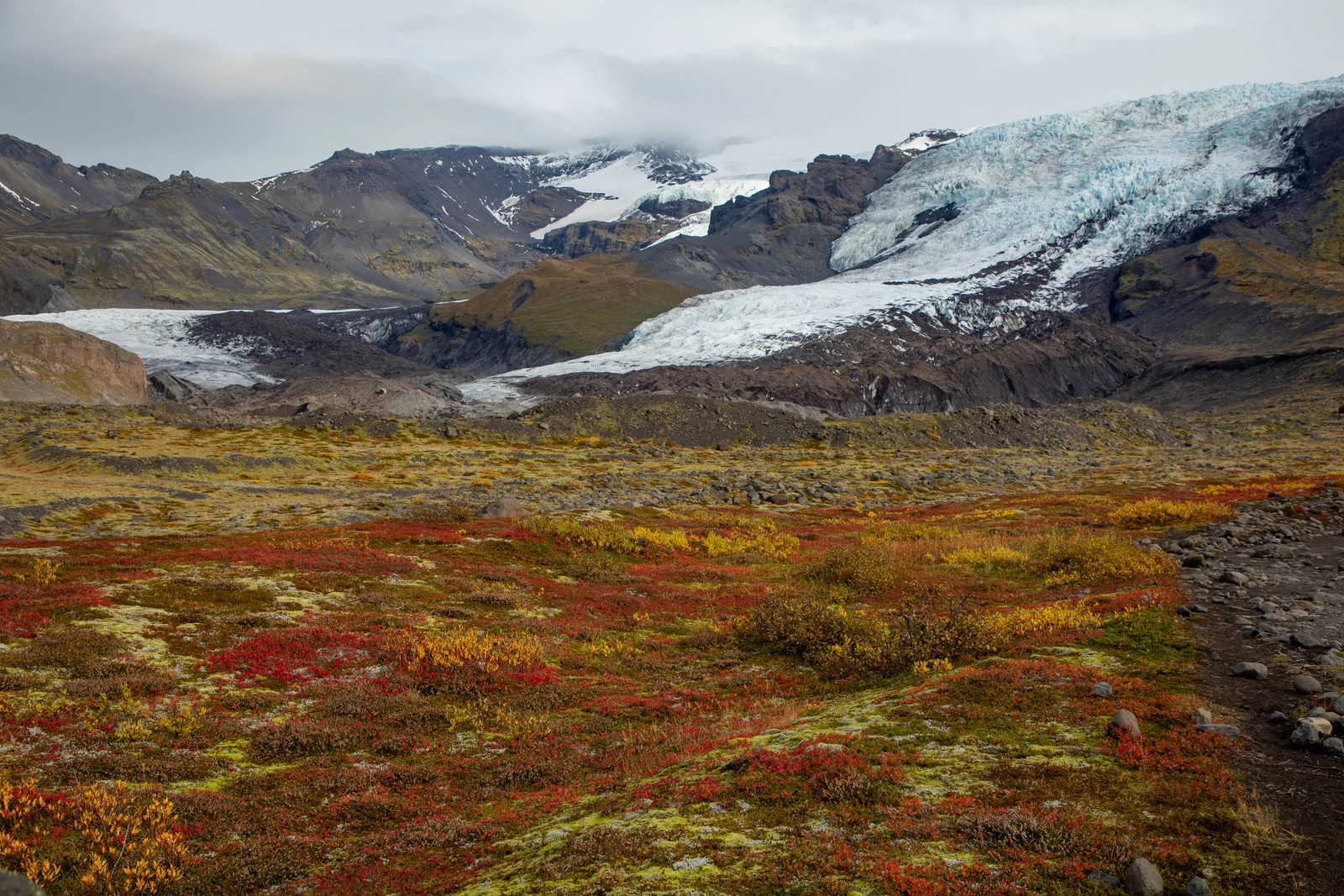
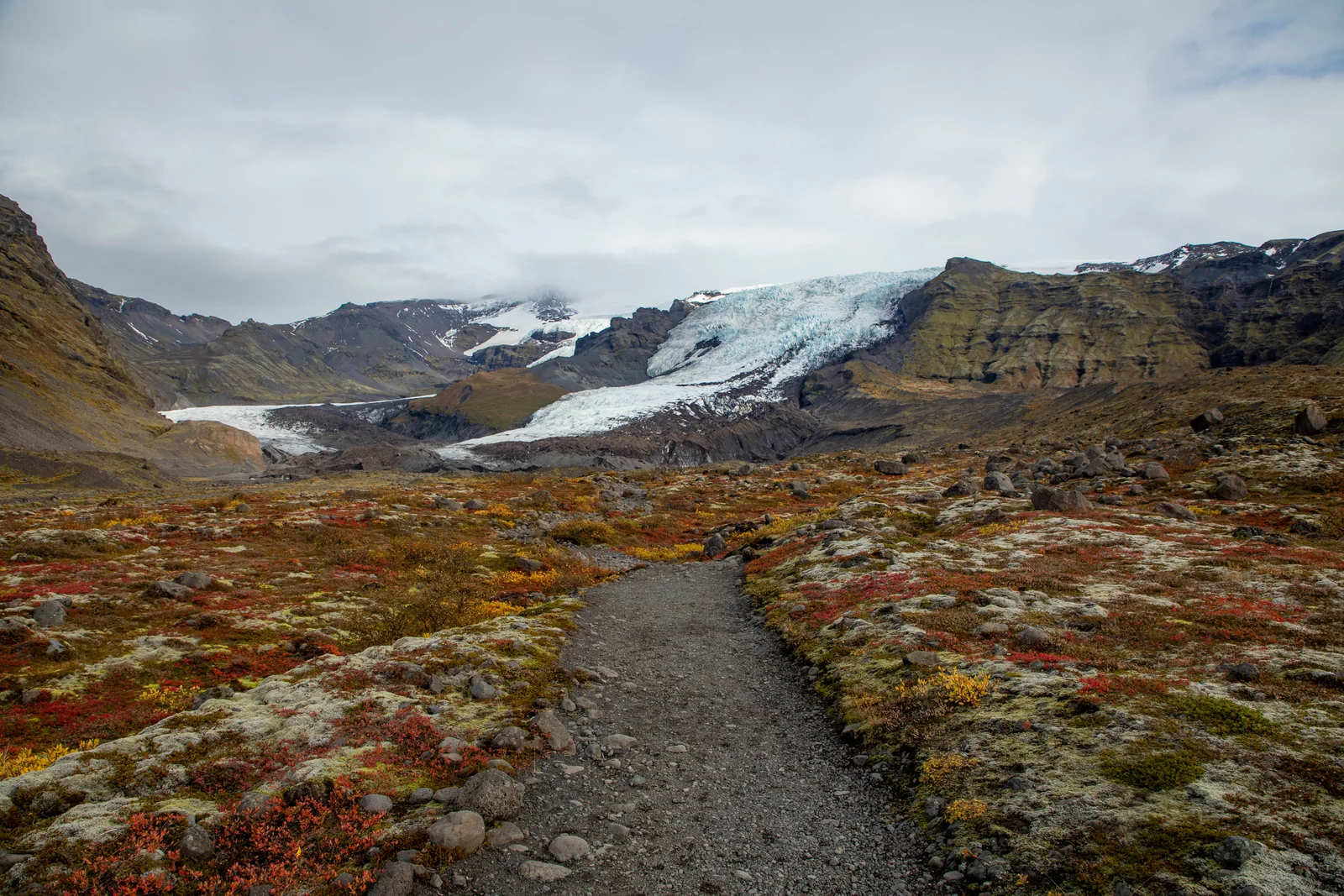
Today, we head out to Vatnajökull National Park to explore the glacier region. This will be an adventurous and long day!
Skaftafell National Park
We start our day with a hike in one of Iceland’s most beautiful national parks. Skaftafell offers many scenic hikes, including the famous Svartifoss waterfall. It’s about a 30-minute hike from the parking lot, but I love continuing on the Sjónarnípa trail for stunning views. The visitor center is also a great place to learn more about glaciers and the area.
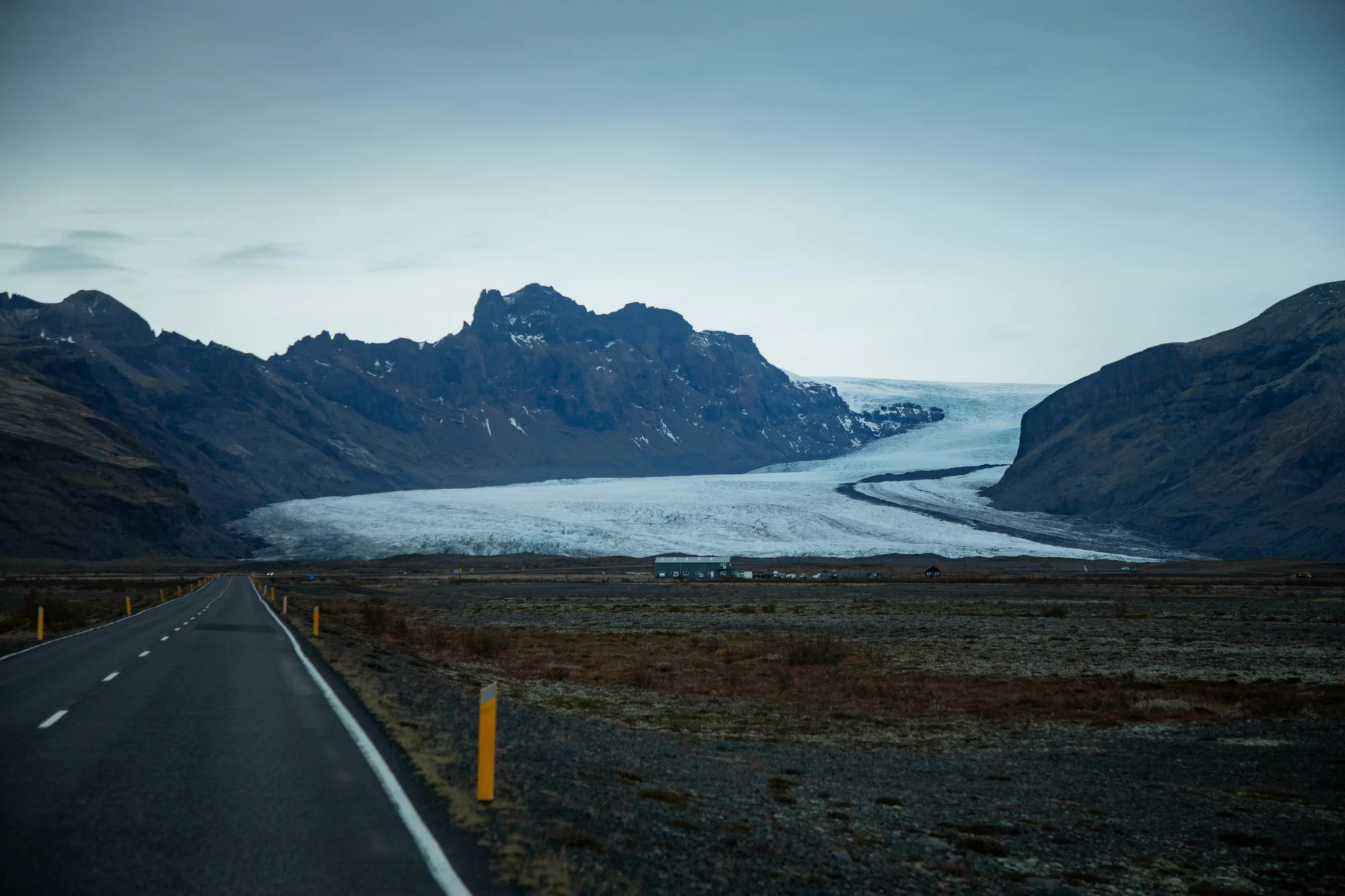
Driving to Skaftafell National Park
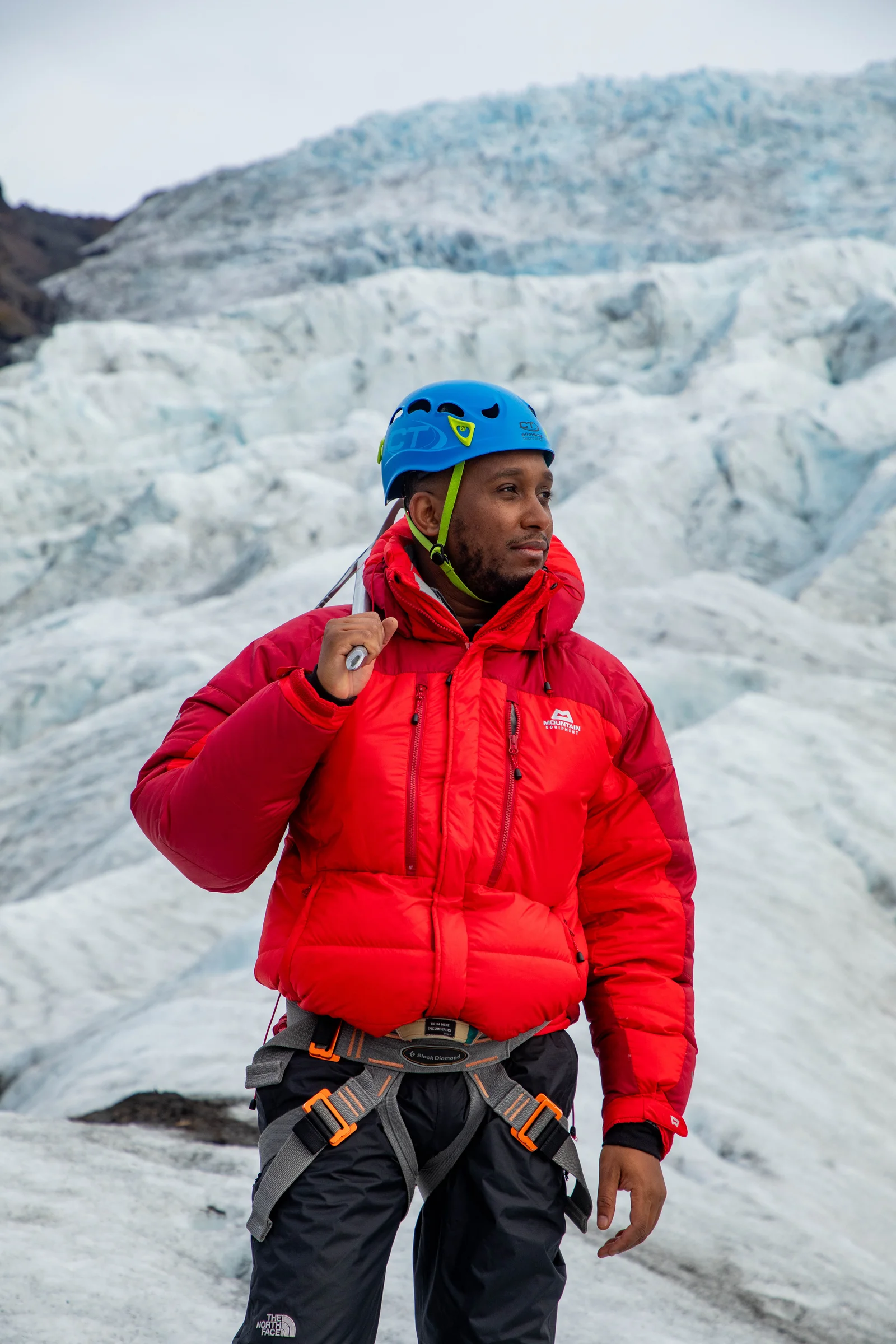
Glacier Hike
For our glacier hike, I recommend a tour with Local Guide. They take you in a super jeep to the base of a glacier. The hike is minimal, but once on the glacier, it’s a dream come true. They provide all necessary gear. Use the code Kyana sent us ” KYANASUE10″ for 10% off your tour. Here, you’ll meet Local Guide at the Fresnes Gas Station, which is also a great place to eat. Alternatively, you can grab food from the food trucks at the glacier lagoon if the weather is nice.
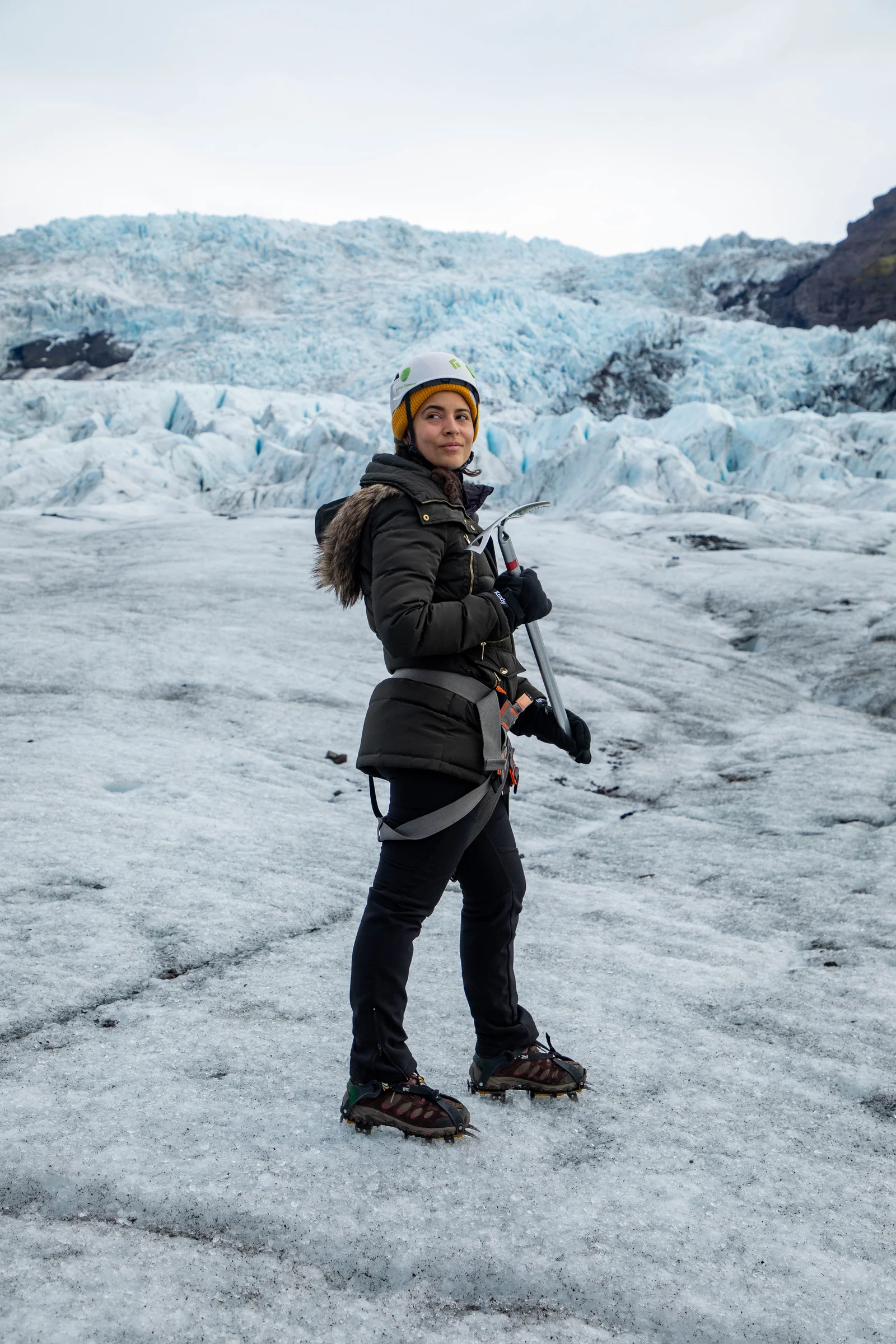
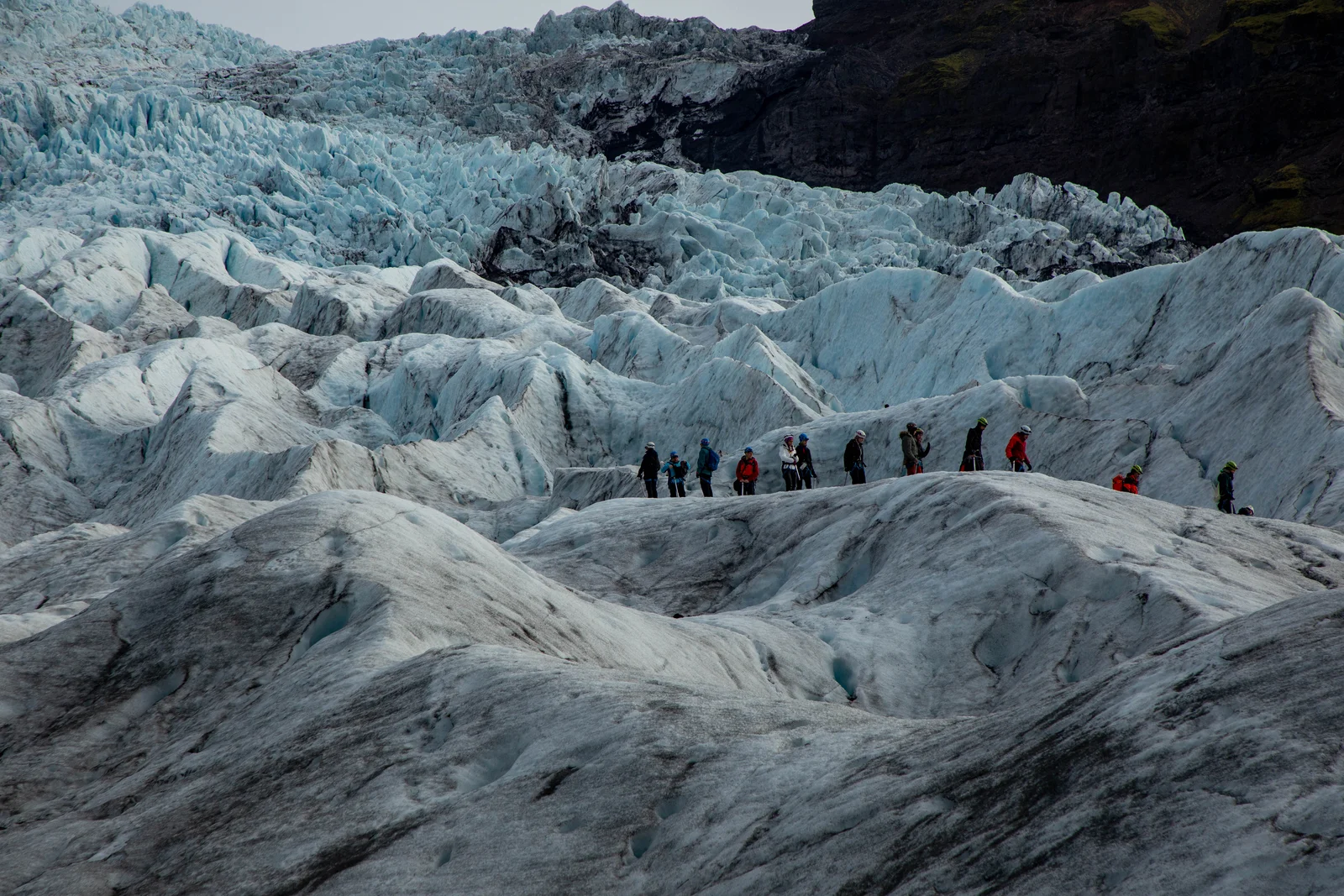
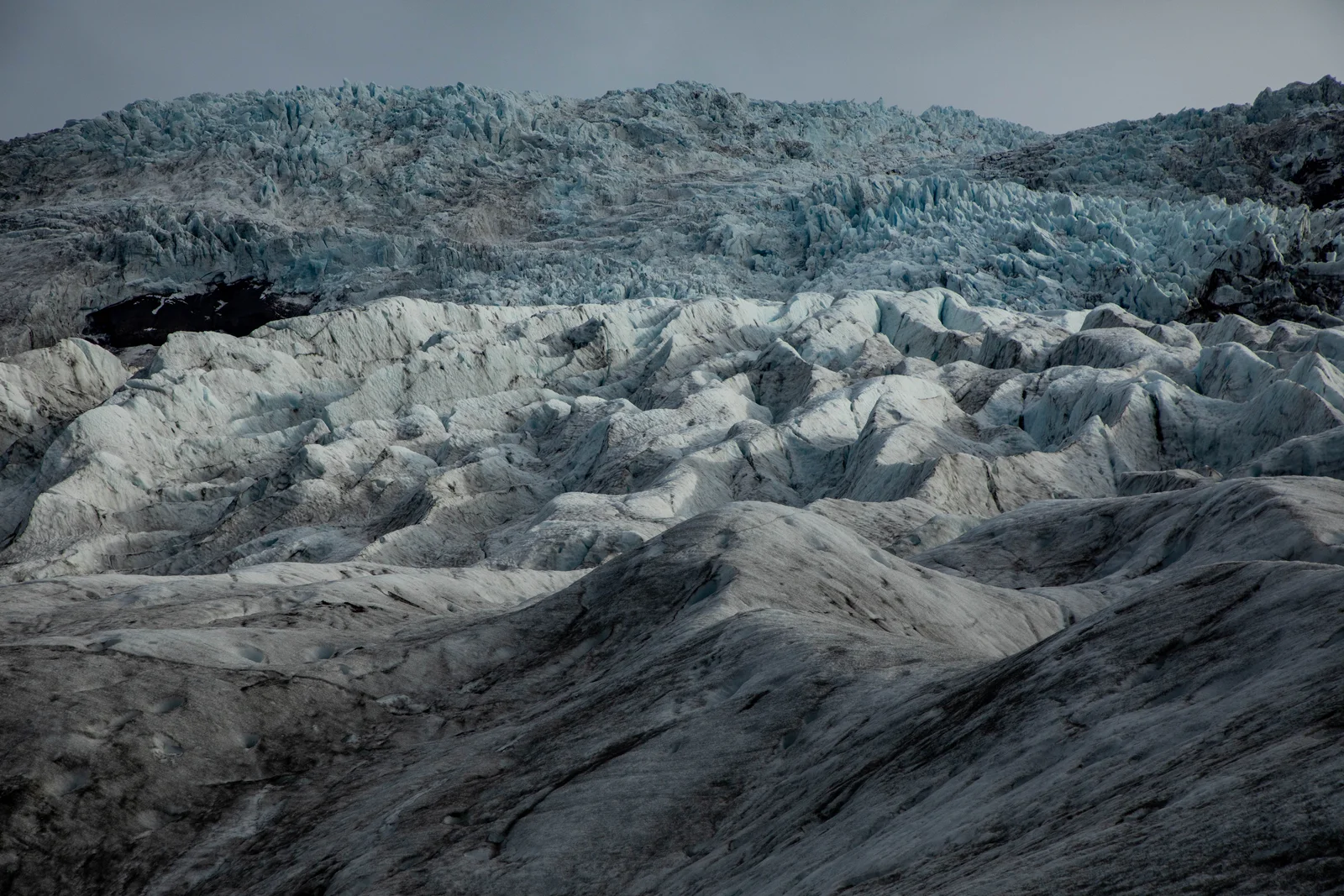
Jökulsárlón – Glacier Lagoon
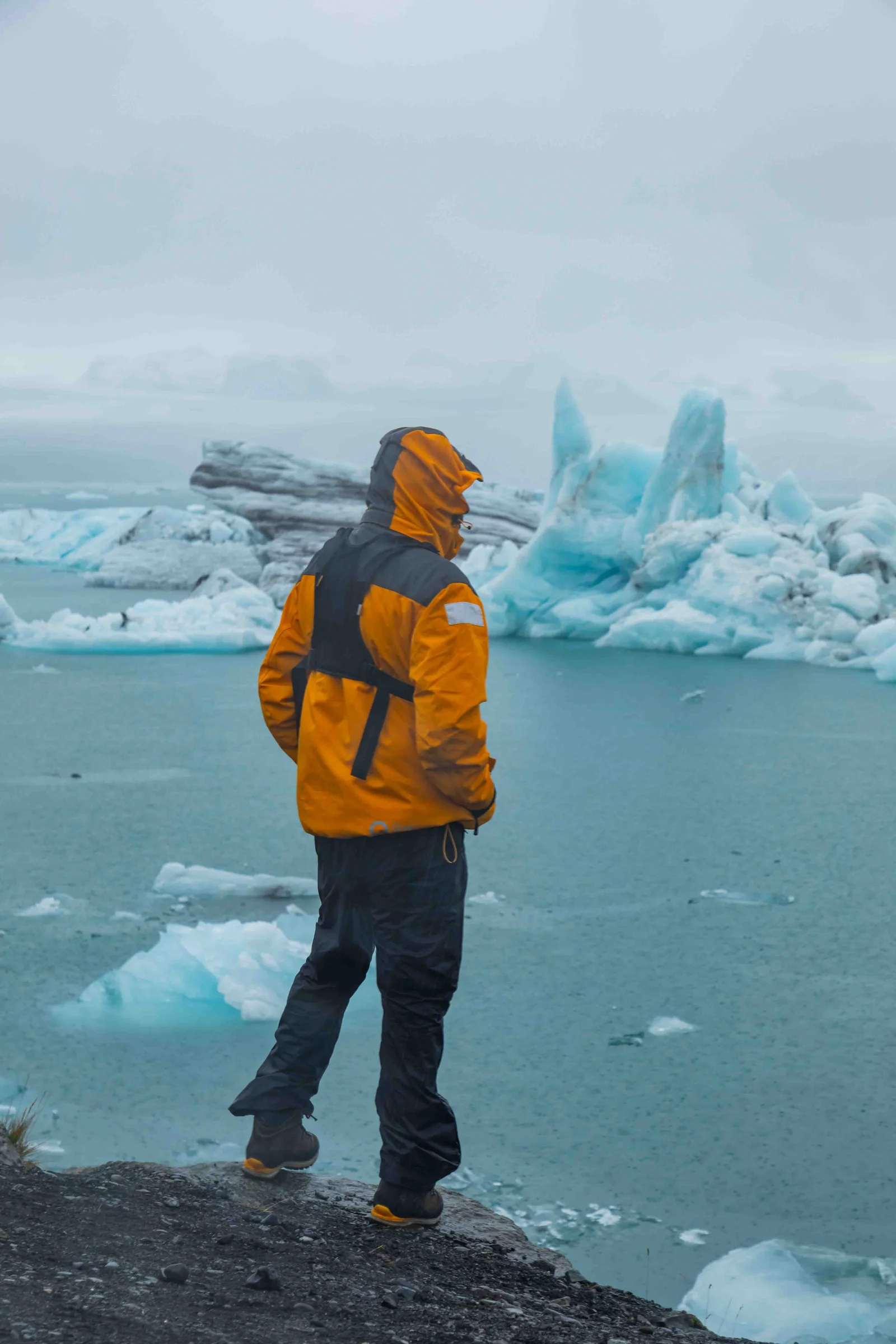
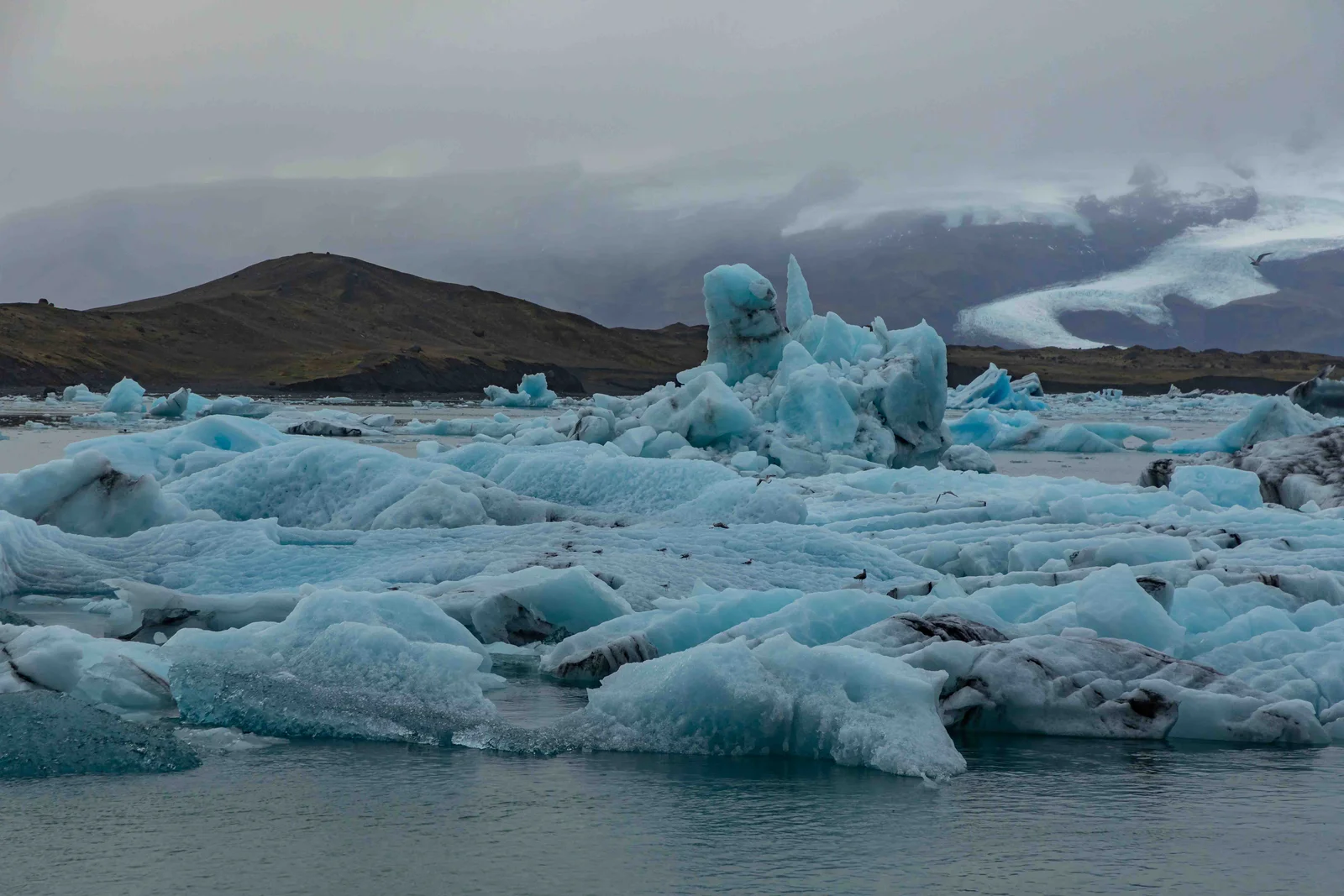
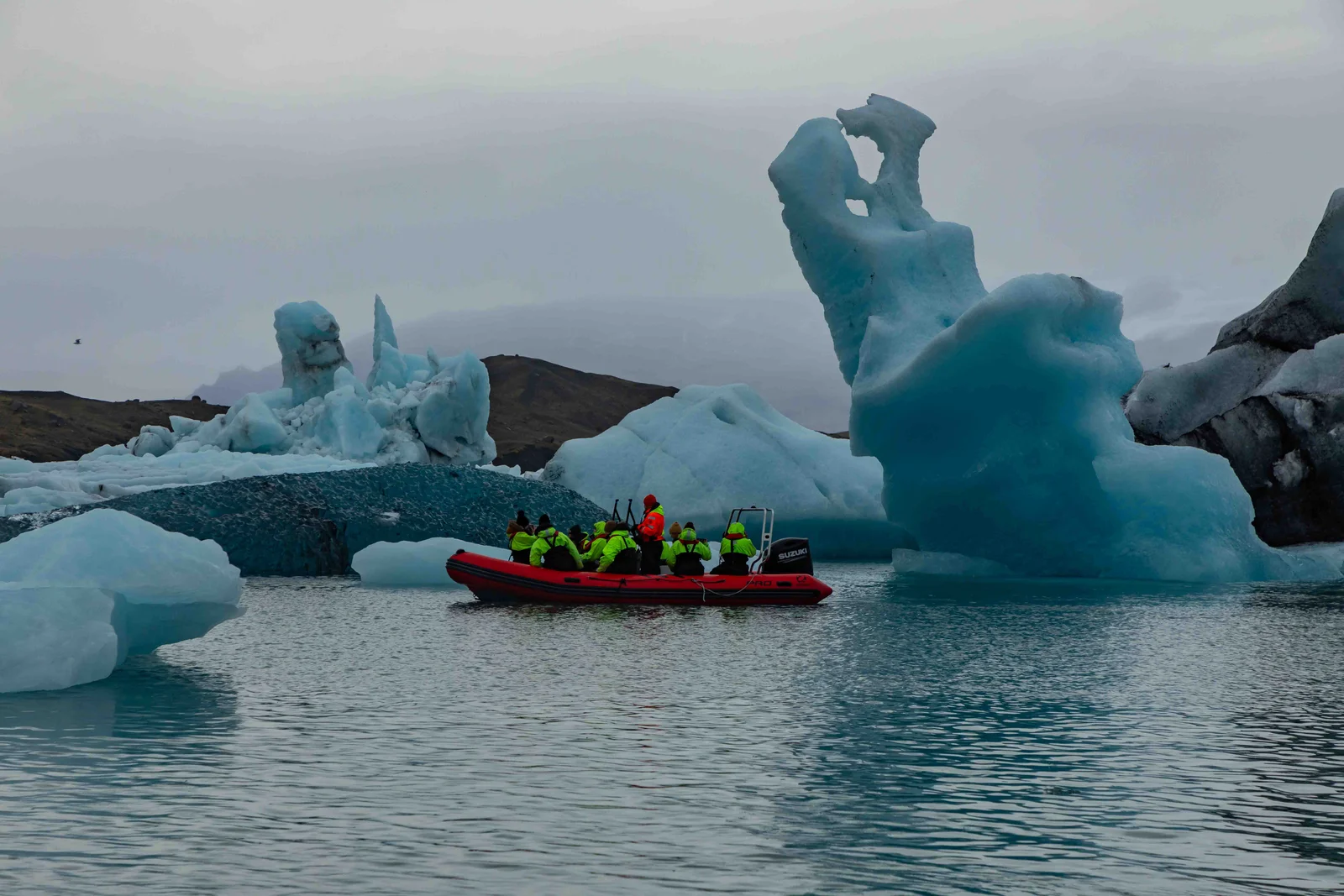
Do not miss Jökulsárlón! This glacier lagoon, filled with icebergs from Breiðamerkurjökull, is one of the most beautiful places in Iceland. There are multiple viewpoints before the main parking lot, all offering amazing views. You can also spot seals swimming in the lagoon.
Diamond Beach
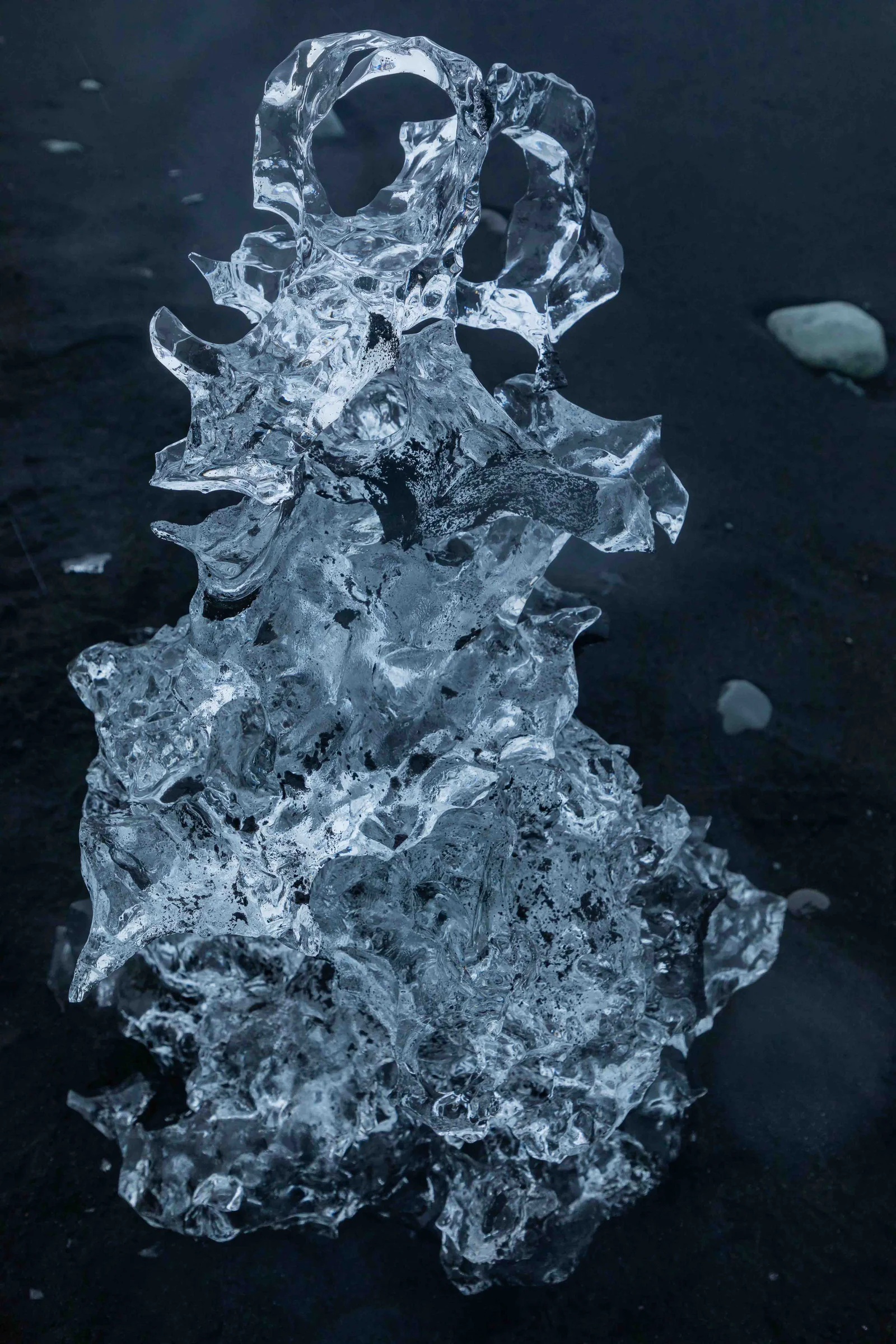
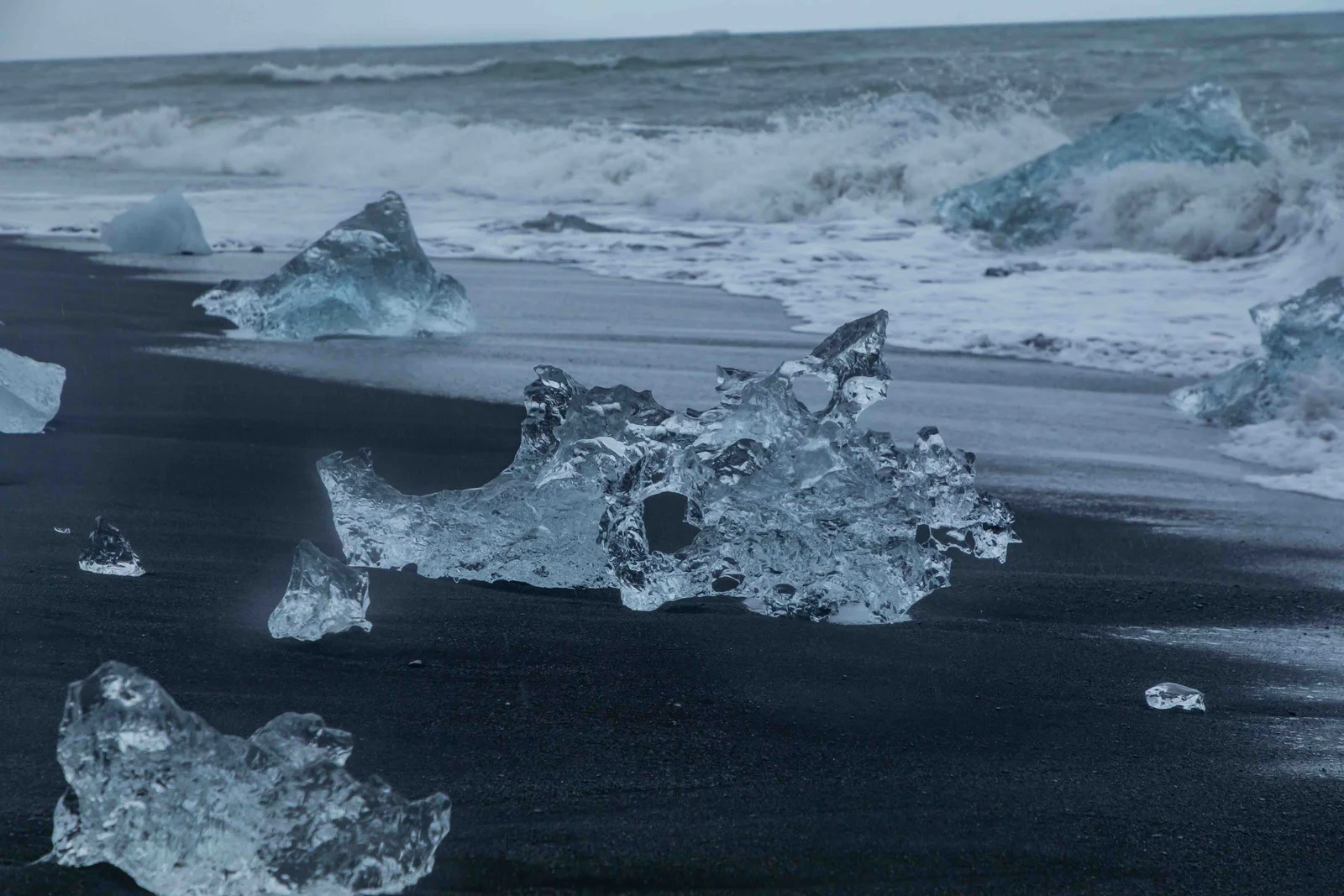
Right across from the Glacier Lagoon is Diamond Beach. Icebergs wash out to sea and then wash up on this beach, creating a stunning scene. There are two sides to Diamond Beach, so explore both to see which has the most icebergs.
Hoffell Hot Tubs
If you still have energy, visit Hoffell Hot Tubs. These natural hot springs are privately owned but open to the public. They offer a unique way to relax with geothermal water in nature. There is a shower and changing room, but amenities are minimal.
Camping at Vestrahorn
We end our day camping at Vestrahorn Camping, the perfect spot to rest and prepare for another day of adventure.
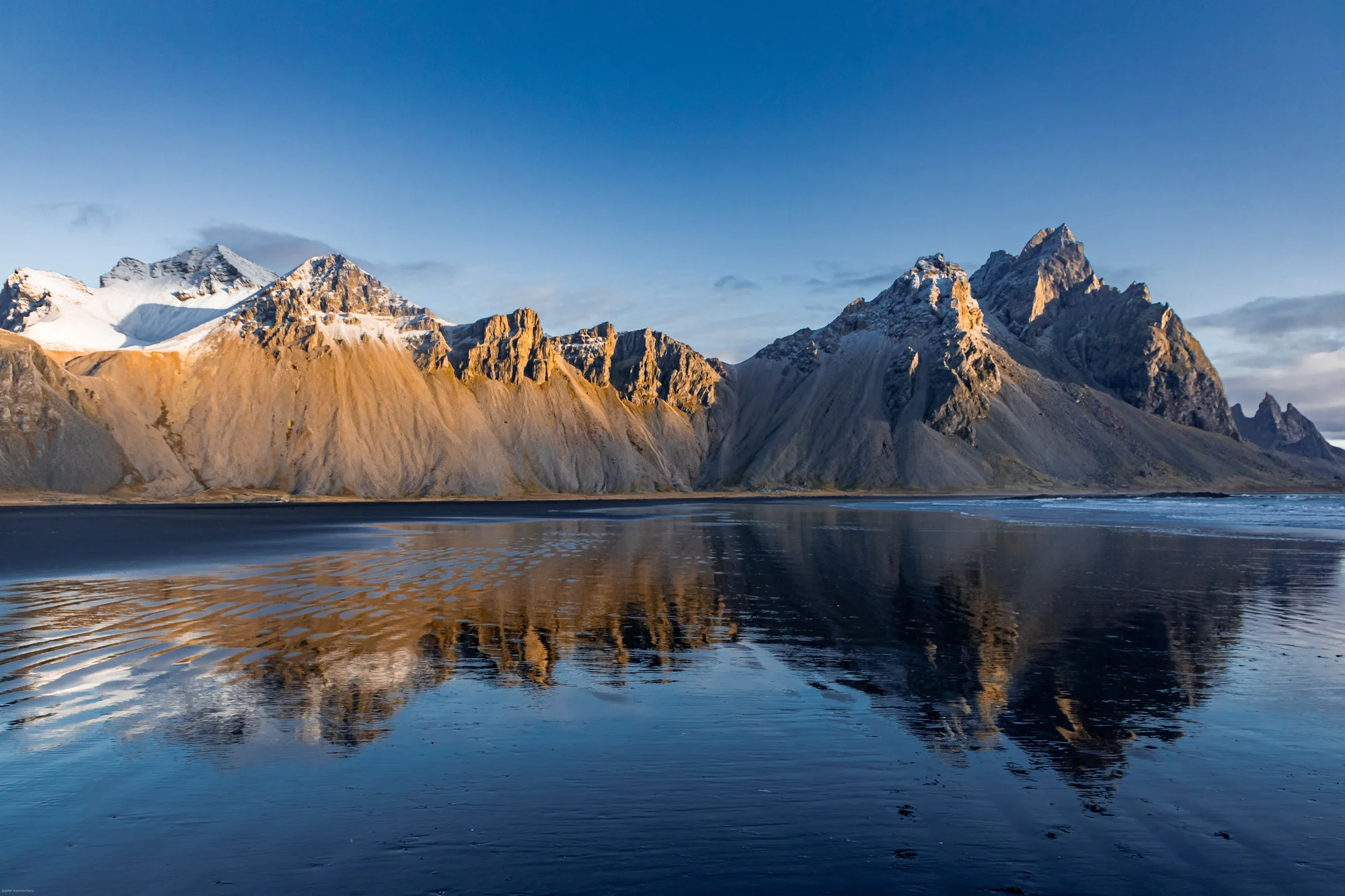
Vestrahorn at Sunrise
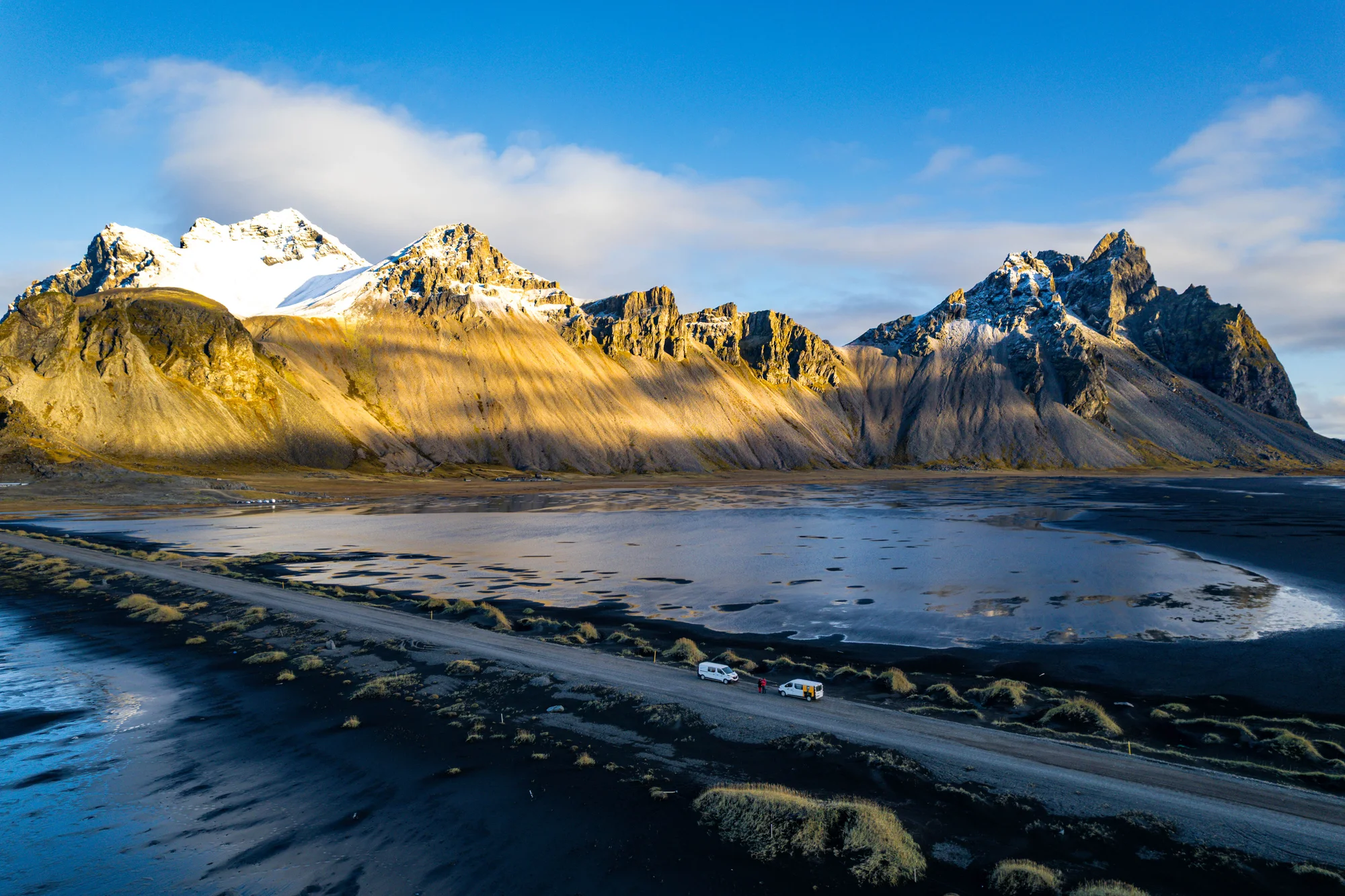
On this day of our Iceland road trip, we began with a peaceful stroll along the black sand beach of Stokksnes, with the striking Vestrahorn mountains as our backdrop.
It was cold and windy, but we embraced the brisk morning air. The early sunrise provided perfect lighting for photos and videos, capturing the dramatic contrast of the black sand and towering mountains. We also took the opportunity to enjoy a simple breakfast while soaking in the serene atmosphere.
The beach is just across the lagoon, accessible via a long path that opens at 7:00 am. If you’re staying at the Vestrahorn campsite, it’s just a short walk from the campground, making it an ideal start to the day.
Travel Tips:
Timing: Arrive early to experience the beauty of the sunrise and avoid crowds.
Clothing: Dress warmly, as the area can be quite windy and chilly, especially in the morning.
Photography: The Vestrahorn mountains are a favorite among photographers, so bring your camera and be ready to capture some incredible shots.
Entrance Fee: Be aware that there is a small entrance fee to access Stokksnes, which helps maintain the area.
Stokksnes is a special place for its unique combination of black sand beaches and jagged mountain peaks, making it one of the most photogenic spots in Iceland. It’s a must-visit for anyone traveling through the East Fjords.
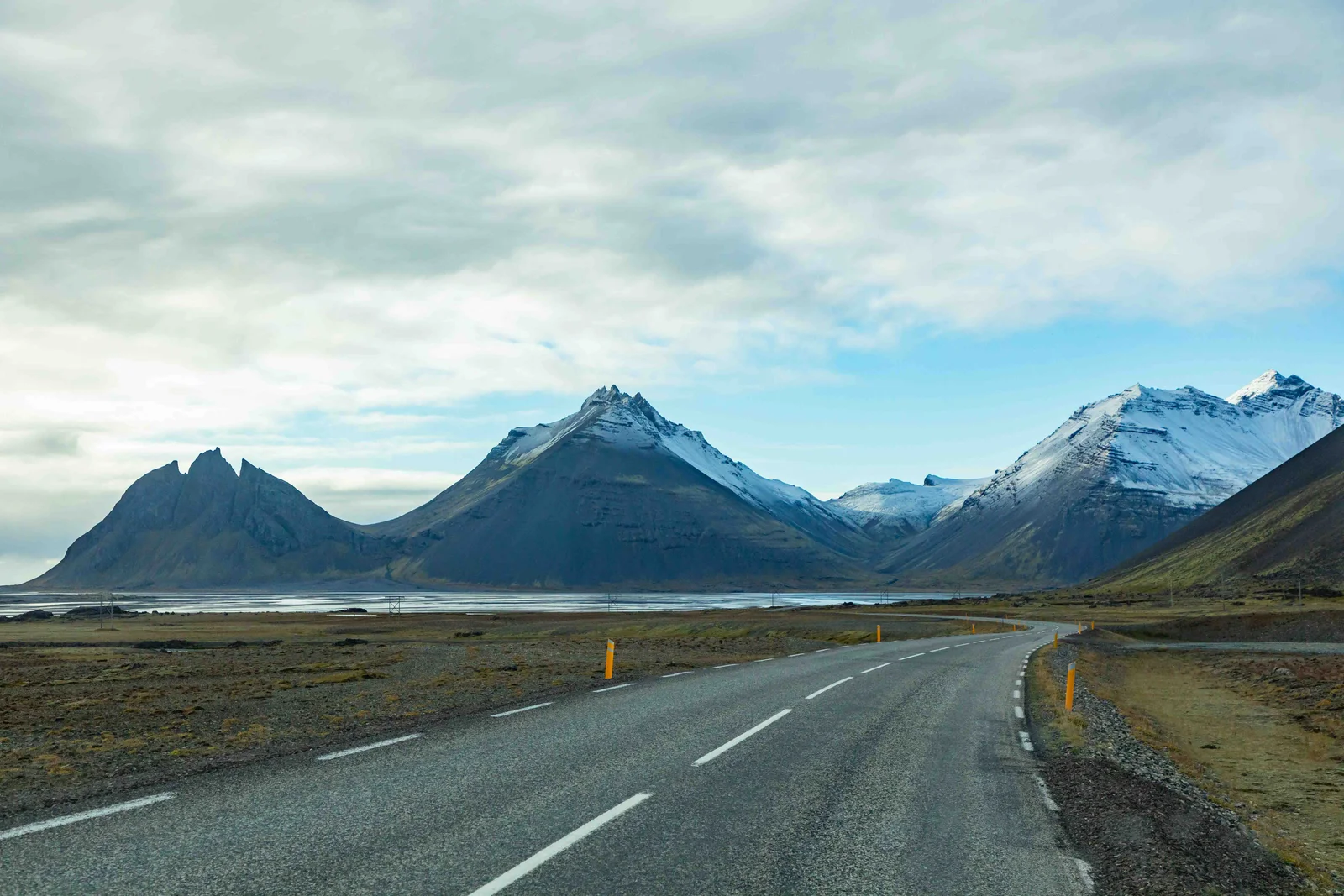
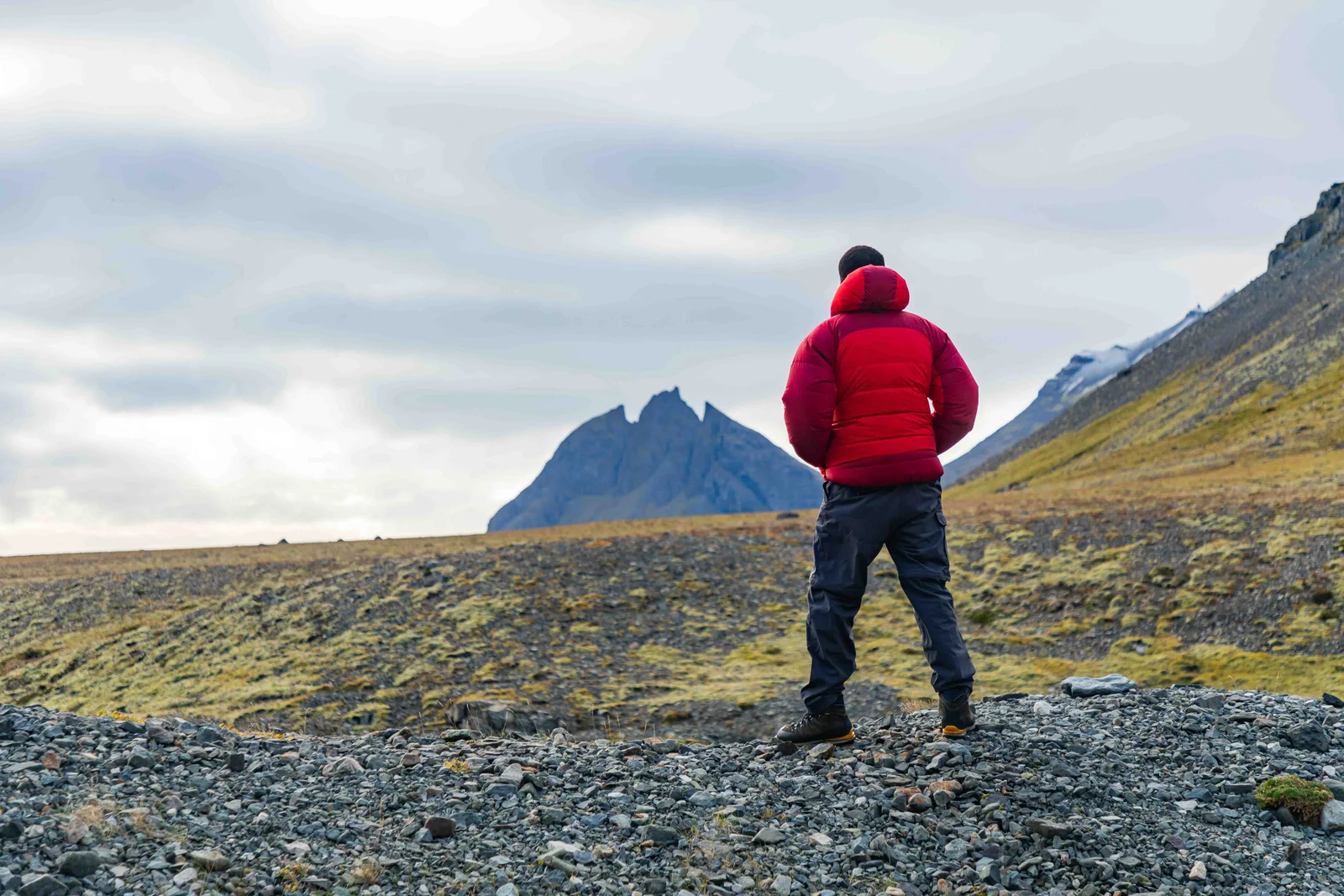
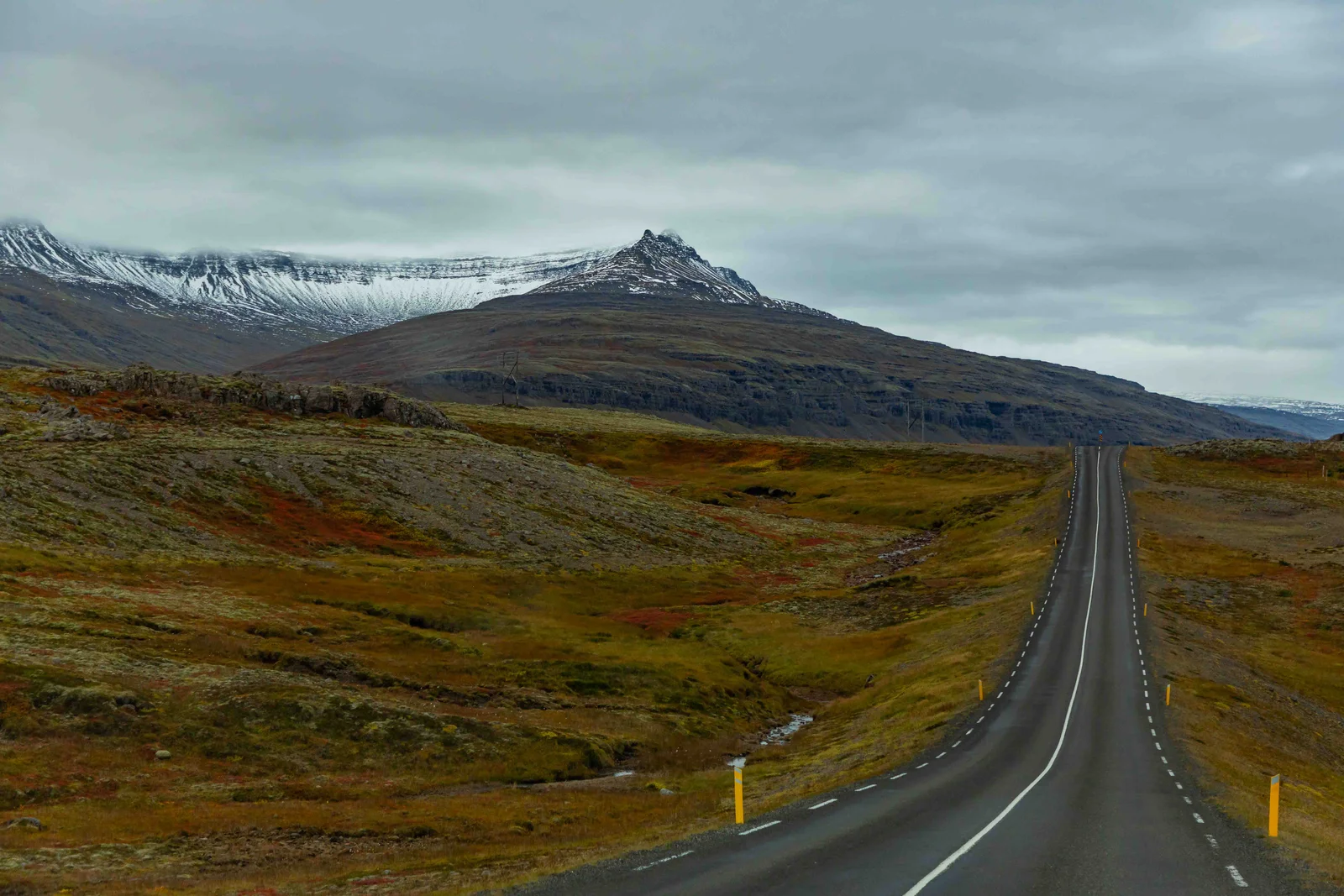
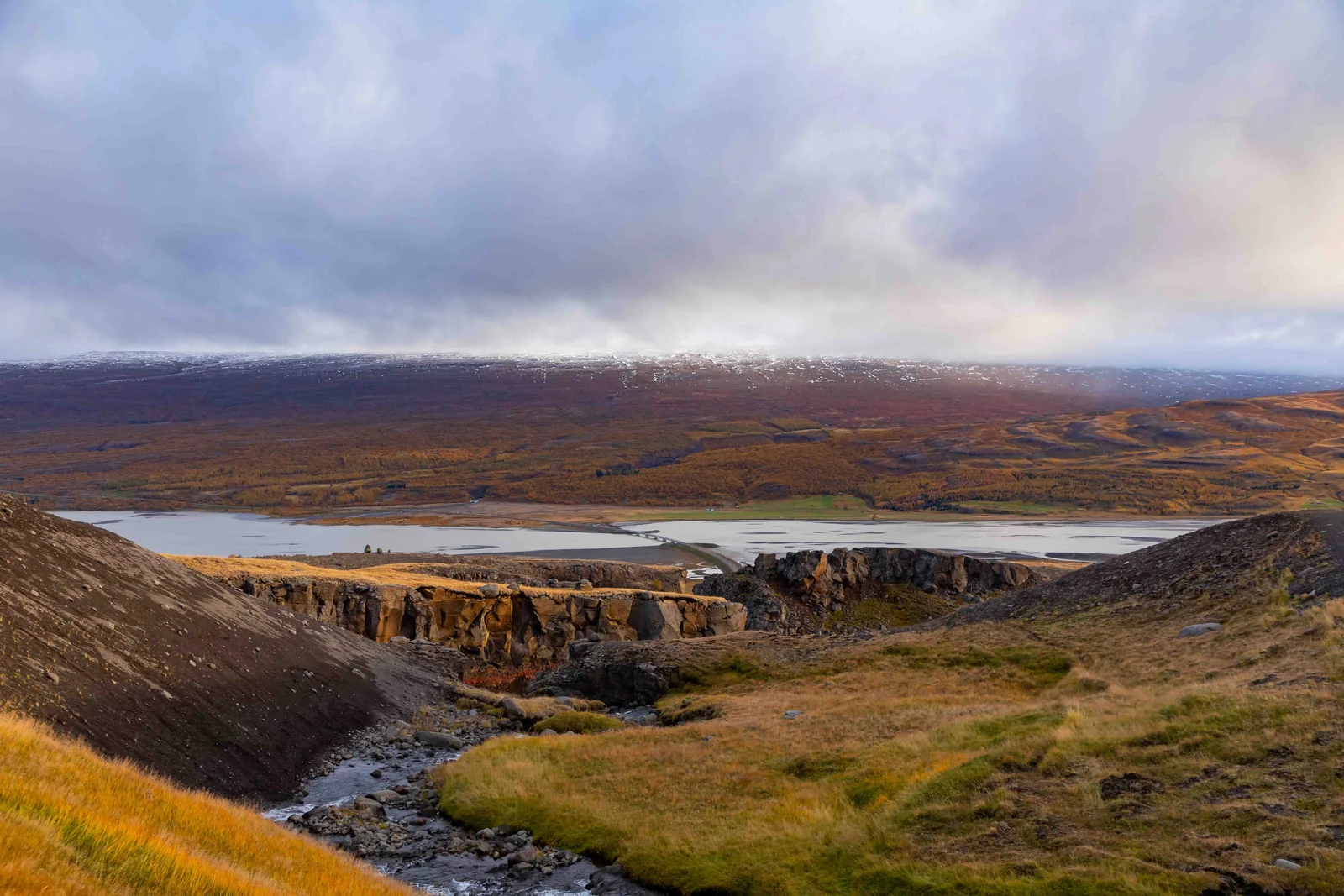
After our refreshing morning walk along the beach, we continued our journey to explore the breathtaking Eastern Fjords. It’s important to remember that each stop requires some driving followed by a short hike.
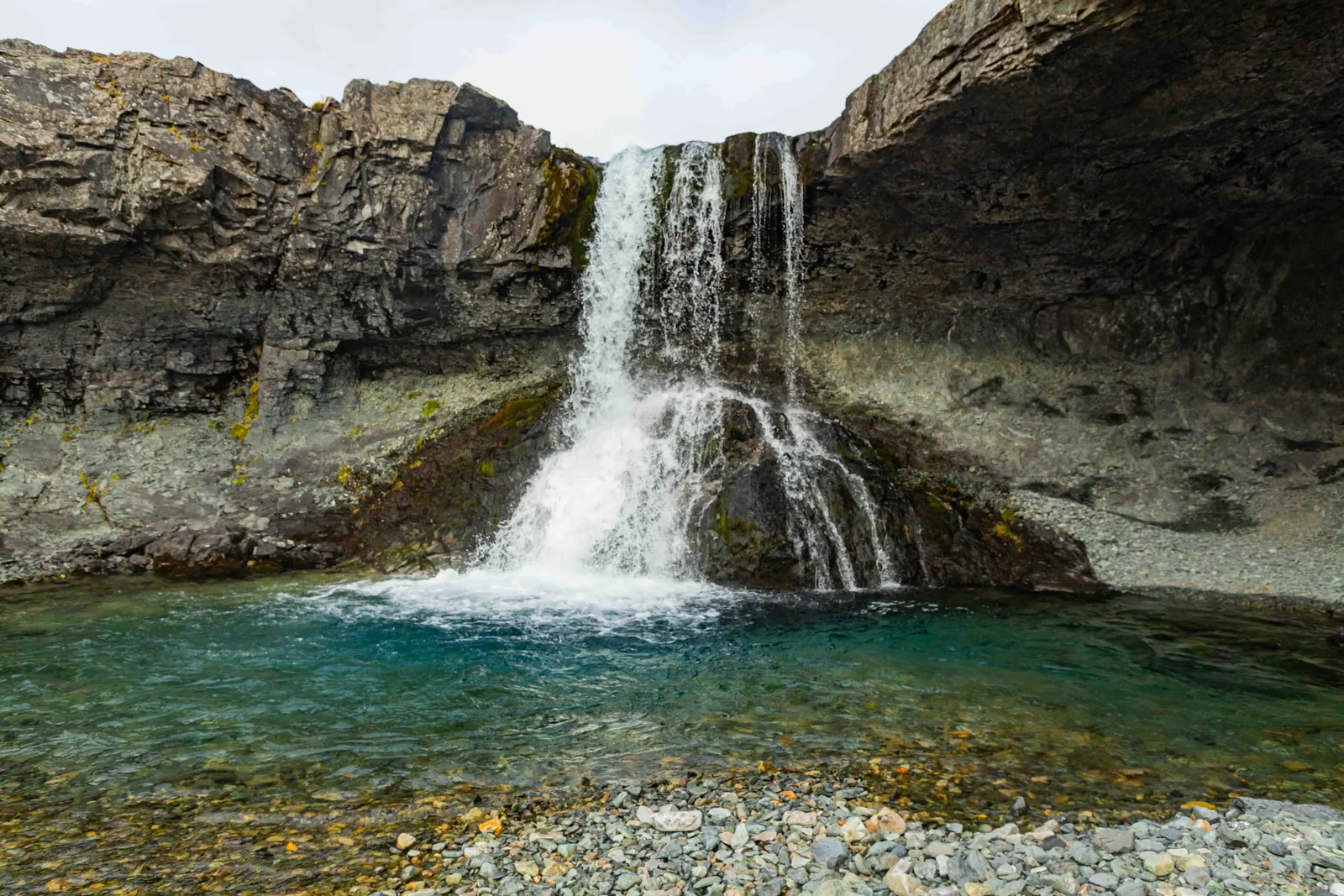
Skútafoss
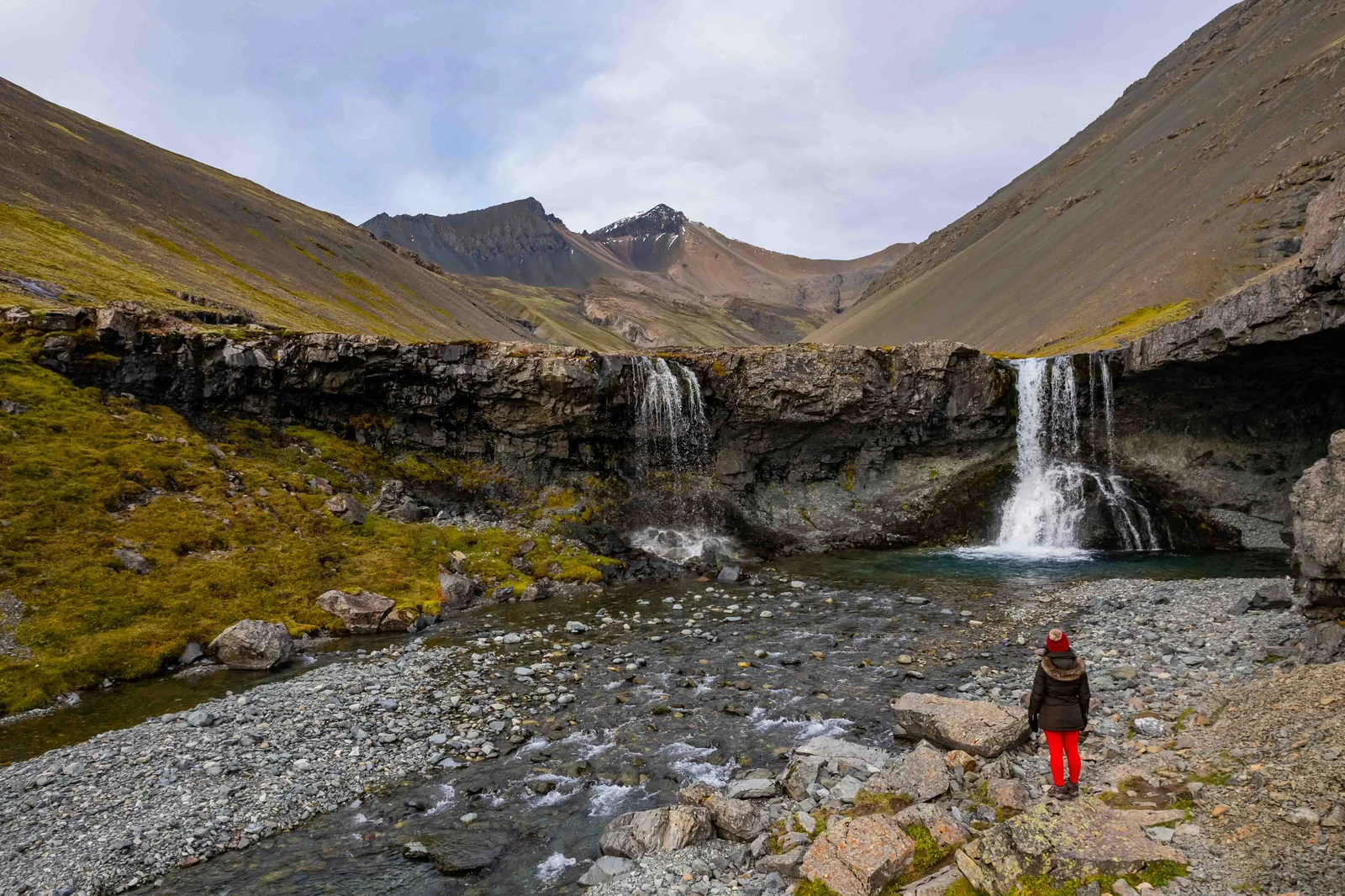
Our first stop was Skútafoss, not far from Vestrahorn. After a scenic drive, we reached the end of the road where the car could go no further. From there, it was a brief 10-minute walk to discover some hidden waterfalls. These falls, surrounded by stunning mountains, offer a special surprise that I won’t spoil for you—trust me, it’s worth the visit!
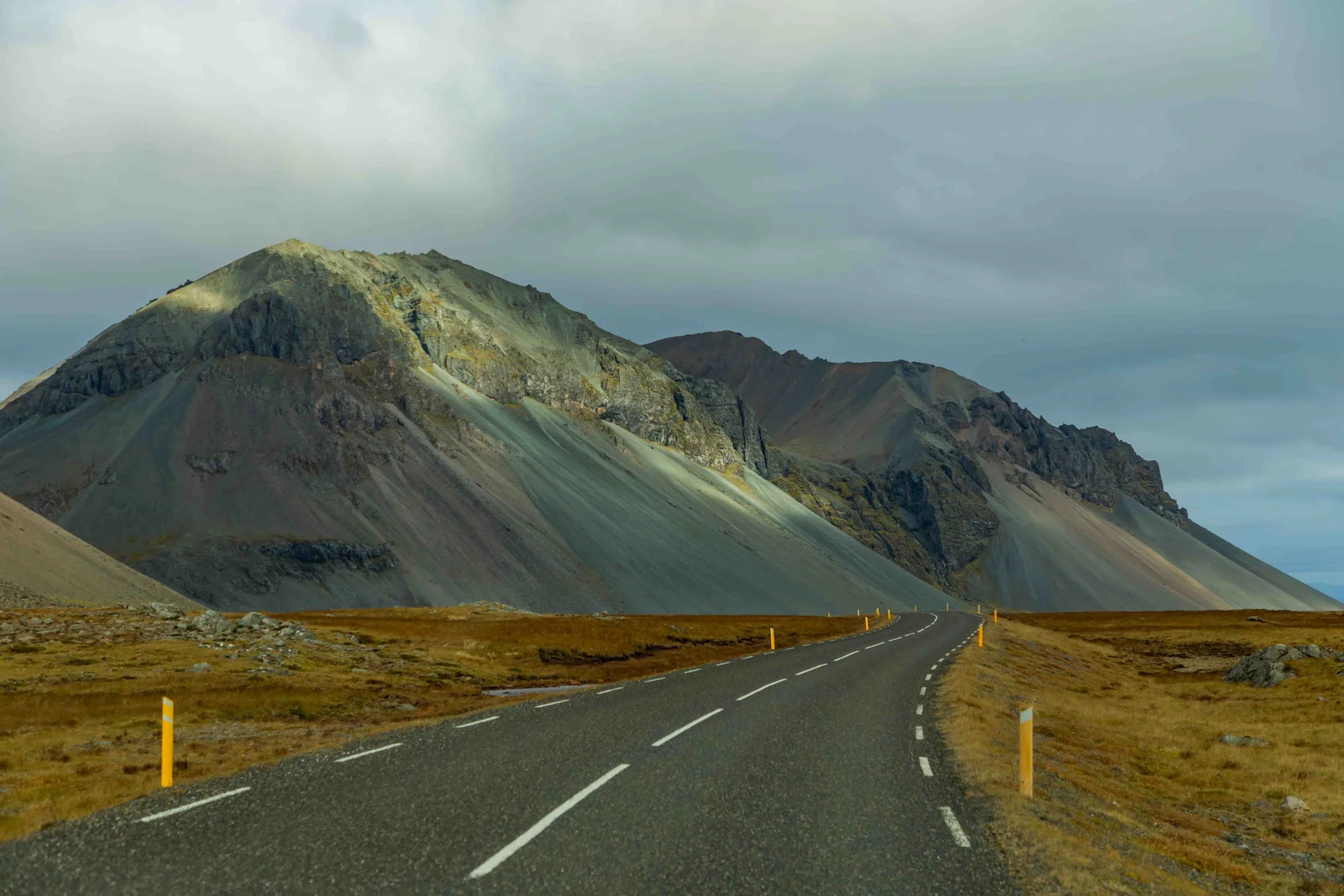
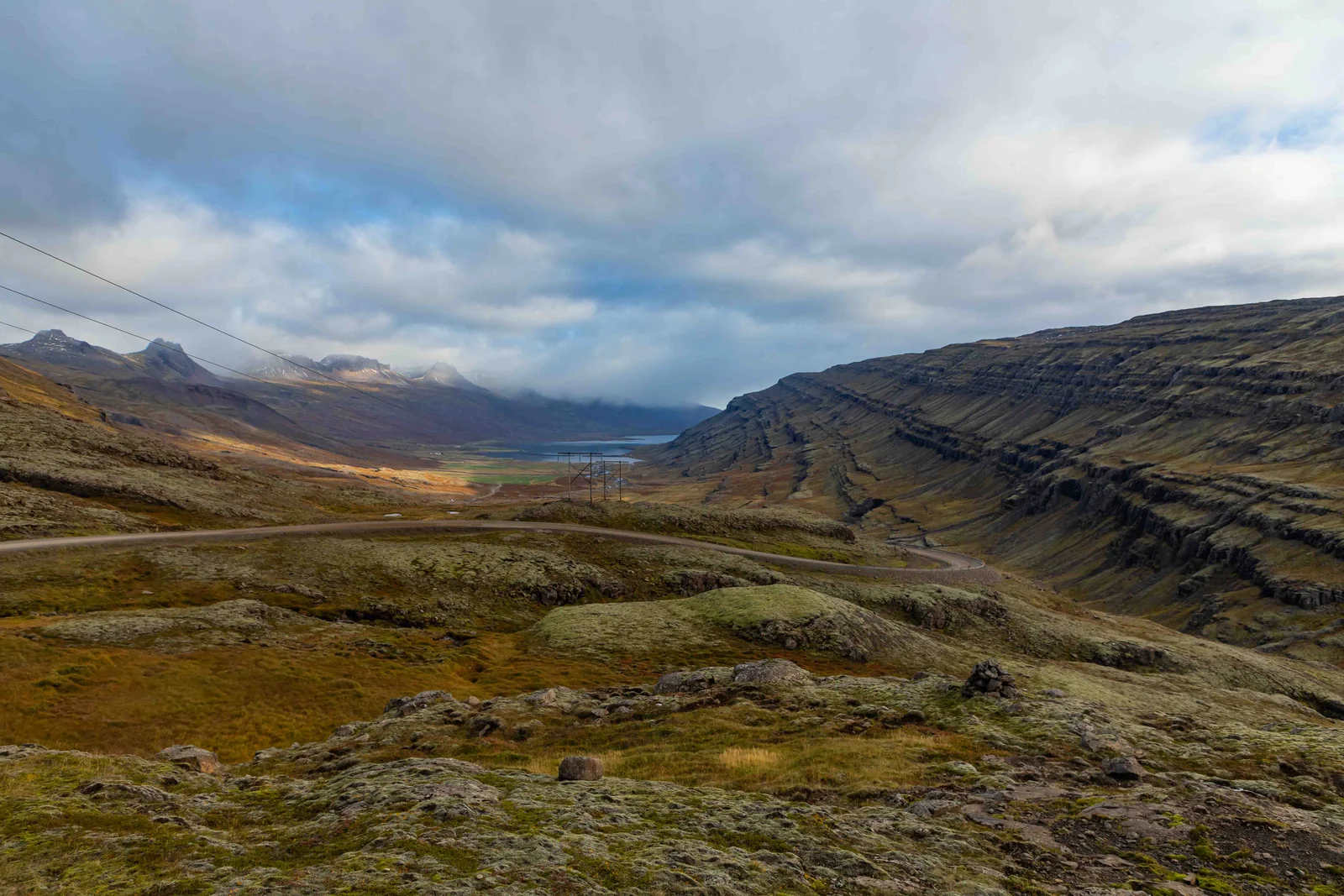
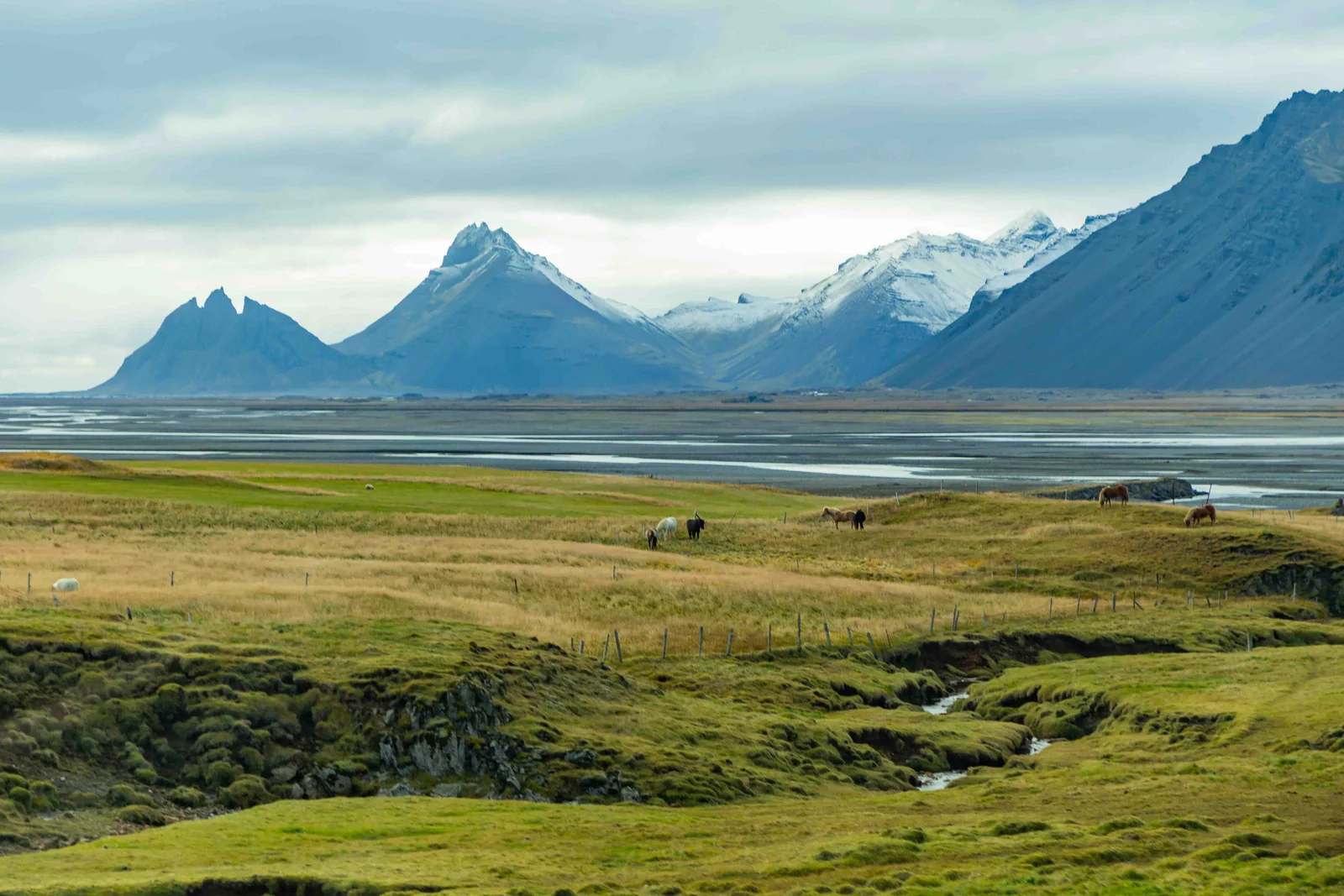
Djúpavogskörin
Next, we visited Djúpavogskörin, a secret hot spring that resembles a natural bathtub. Parking is simple—you stop at the first turn on the dirt road, then walk just a minute down the hill to find it. This hidden gem is perfect for a relaxing soak, and it’s a spot you’ll want to keep to yourself!
Hengifoss Waterfall
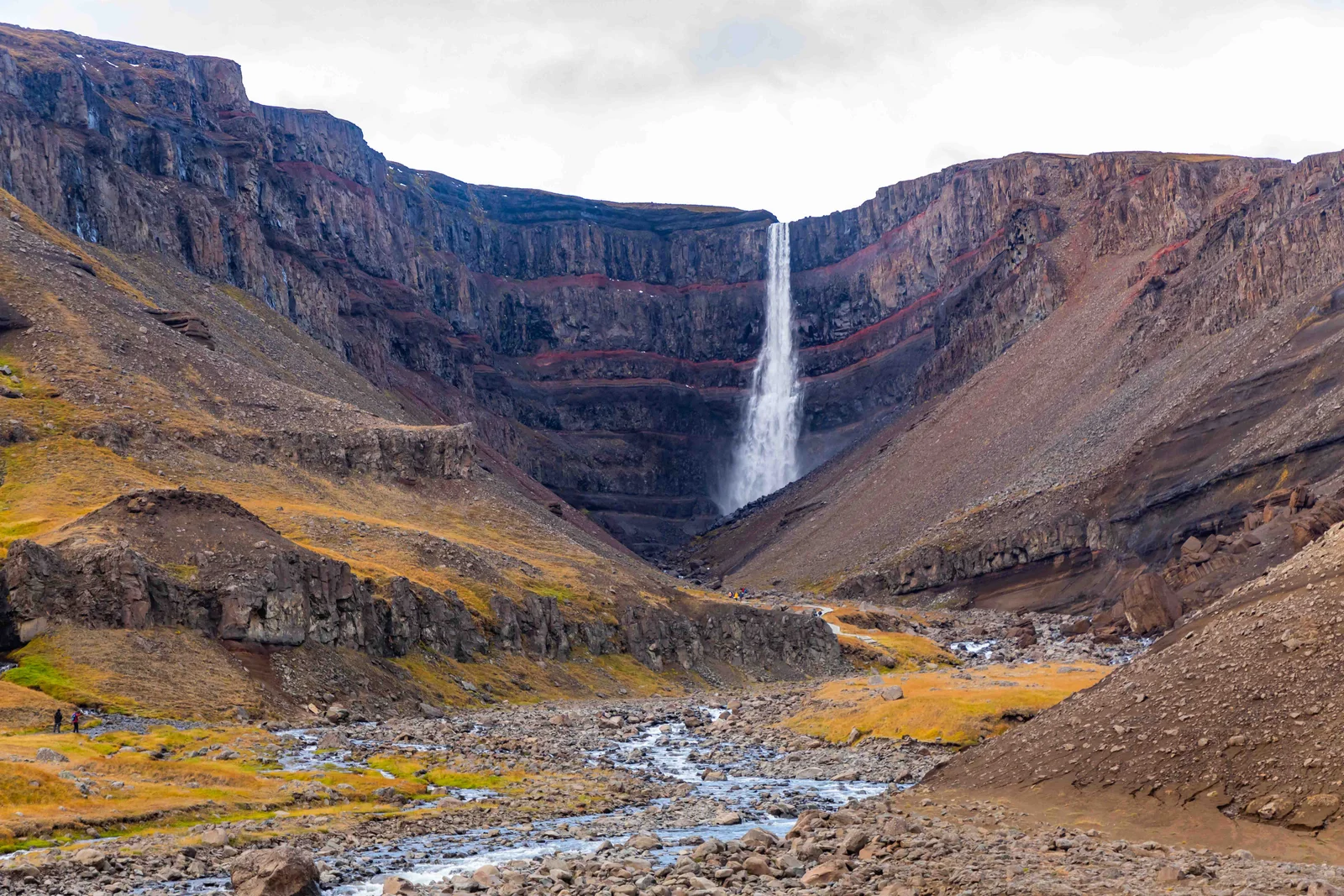
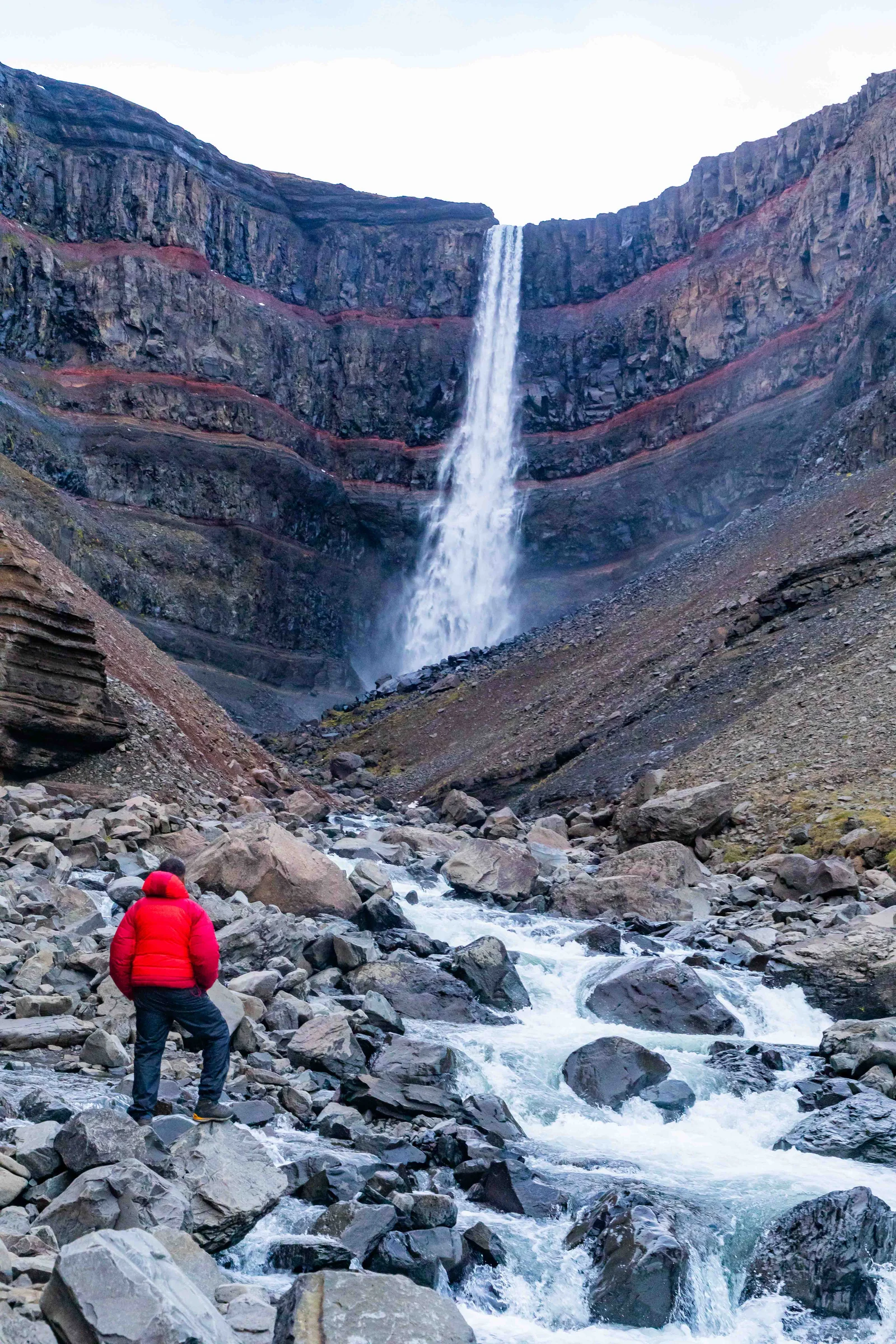
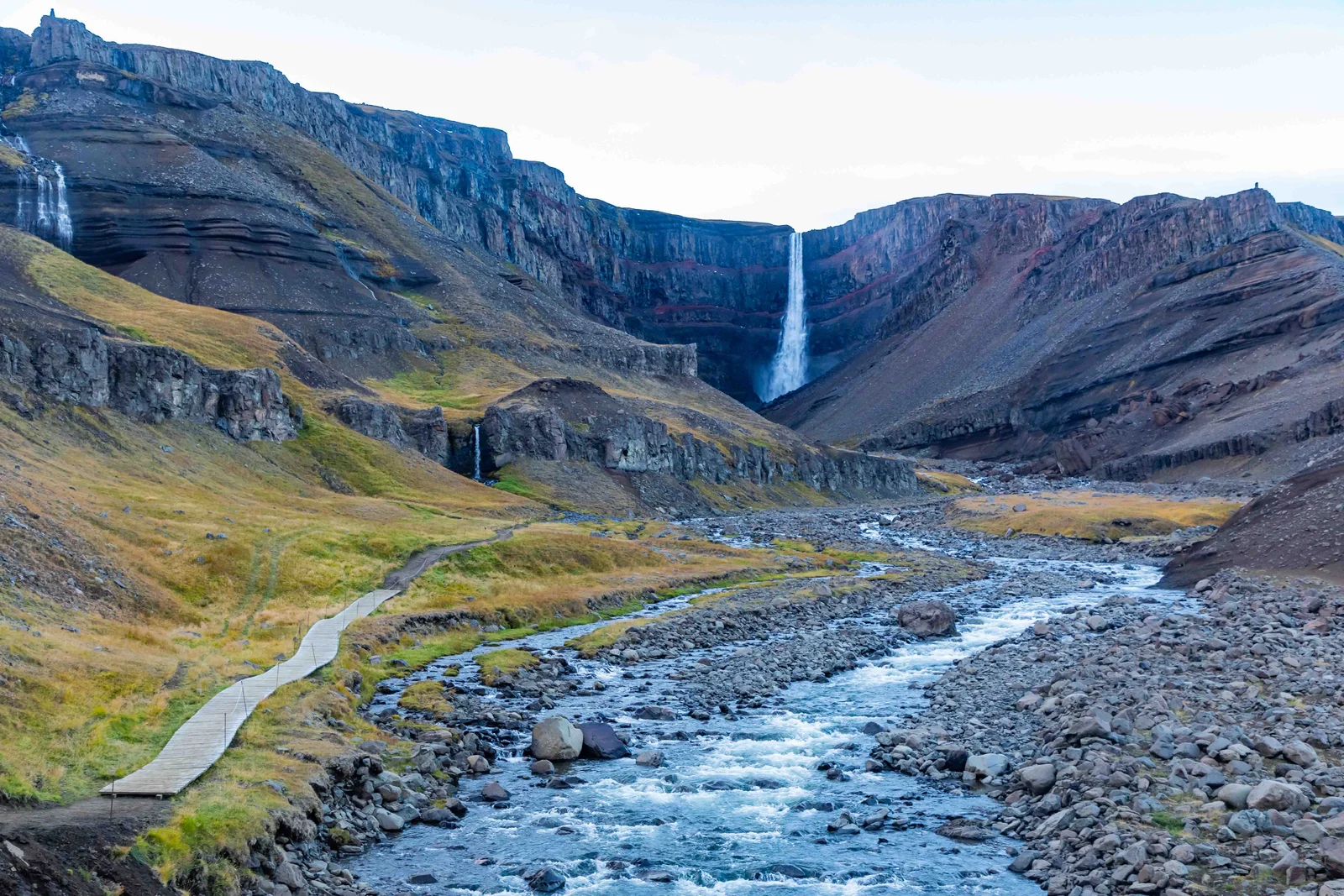
Our journey then took us to Hengifoss, Iceland’s third-highest waterfall, known for its striking red stripes from past volcanic eruptions. The hike up to the falls is on a paved path but can be steep in sections. It typically takes about an hour to reach the top, but the view is more than worth the effort.
Seyðisfjörður
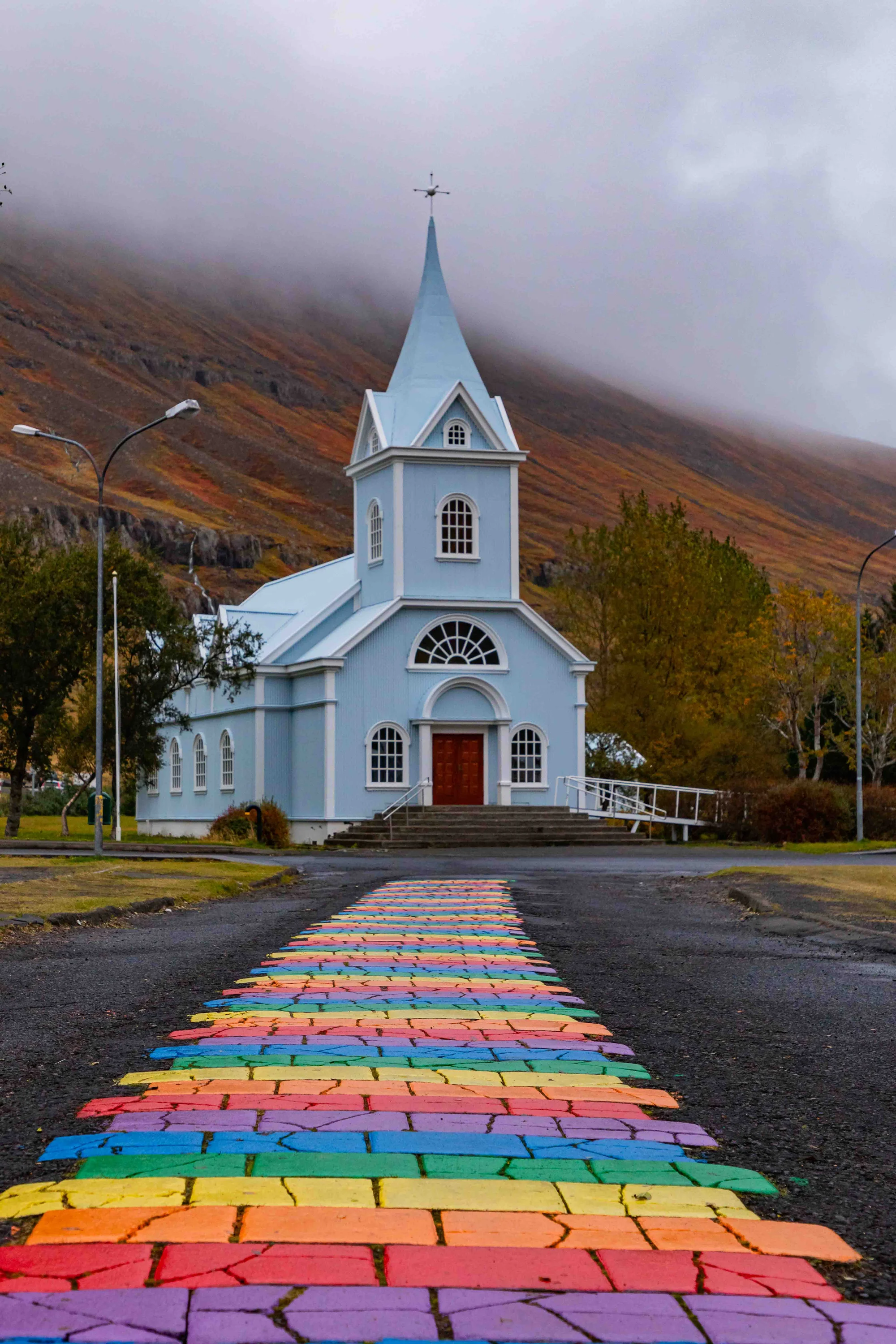
Finally, we arrived in the charming town of Seyðisfjörður, nestled between fjords. This picturesque town is known for its beautiful waterfalls and the famous rainbow walkway leading to a quaint church. It’s a perfect end to a day of exploration in the Eastern Fjords.
We departed on the early morning to explore the North Iceland’s most stunning natural wonders.
Stuðlagil Canyon
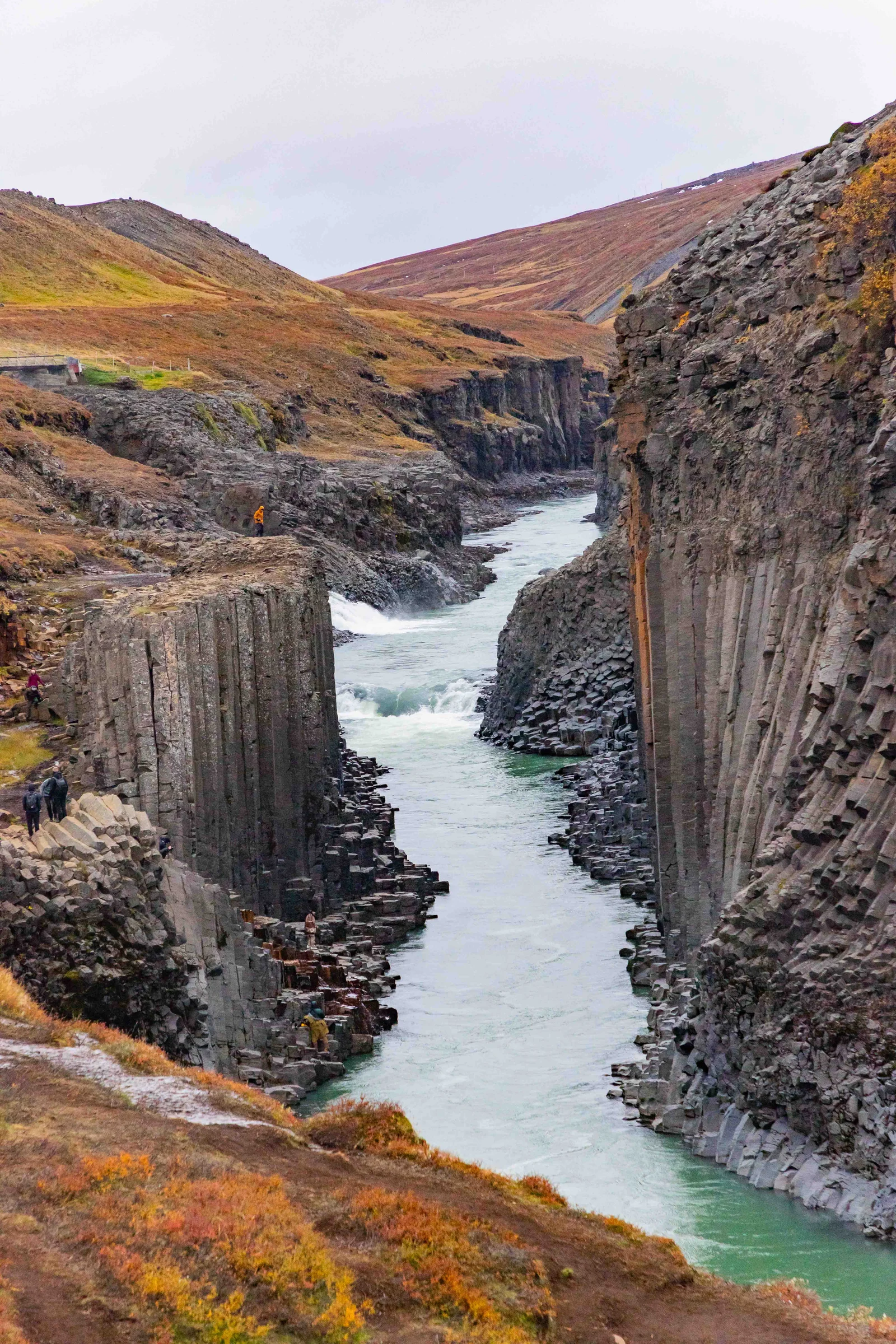
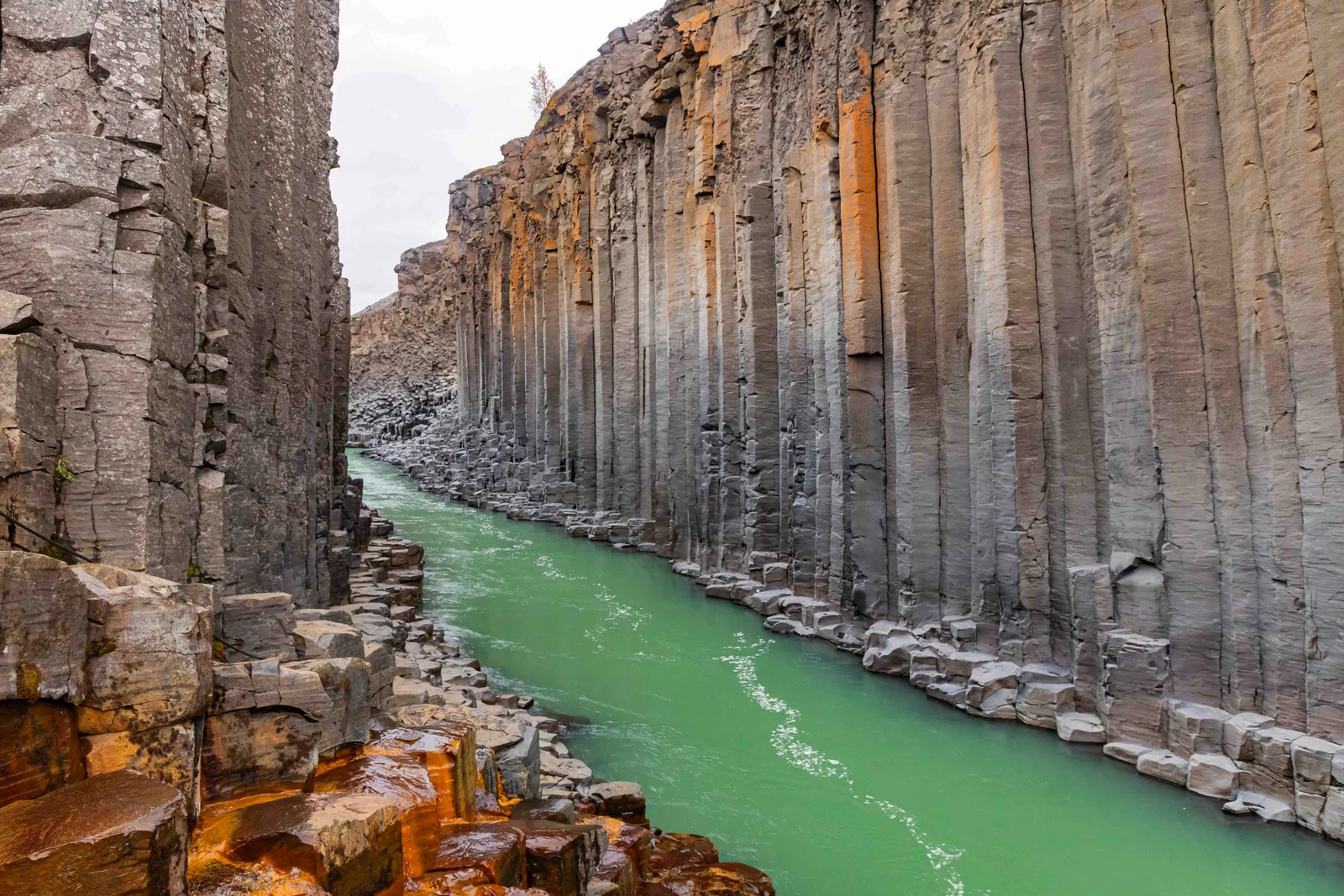
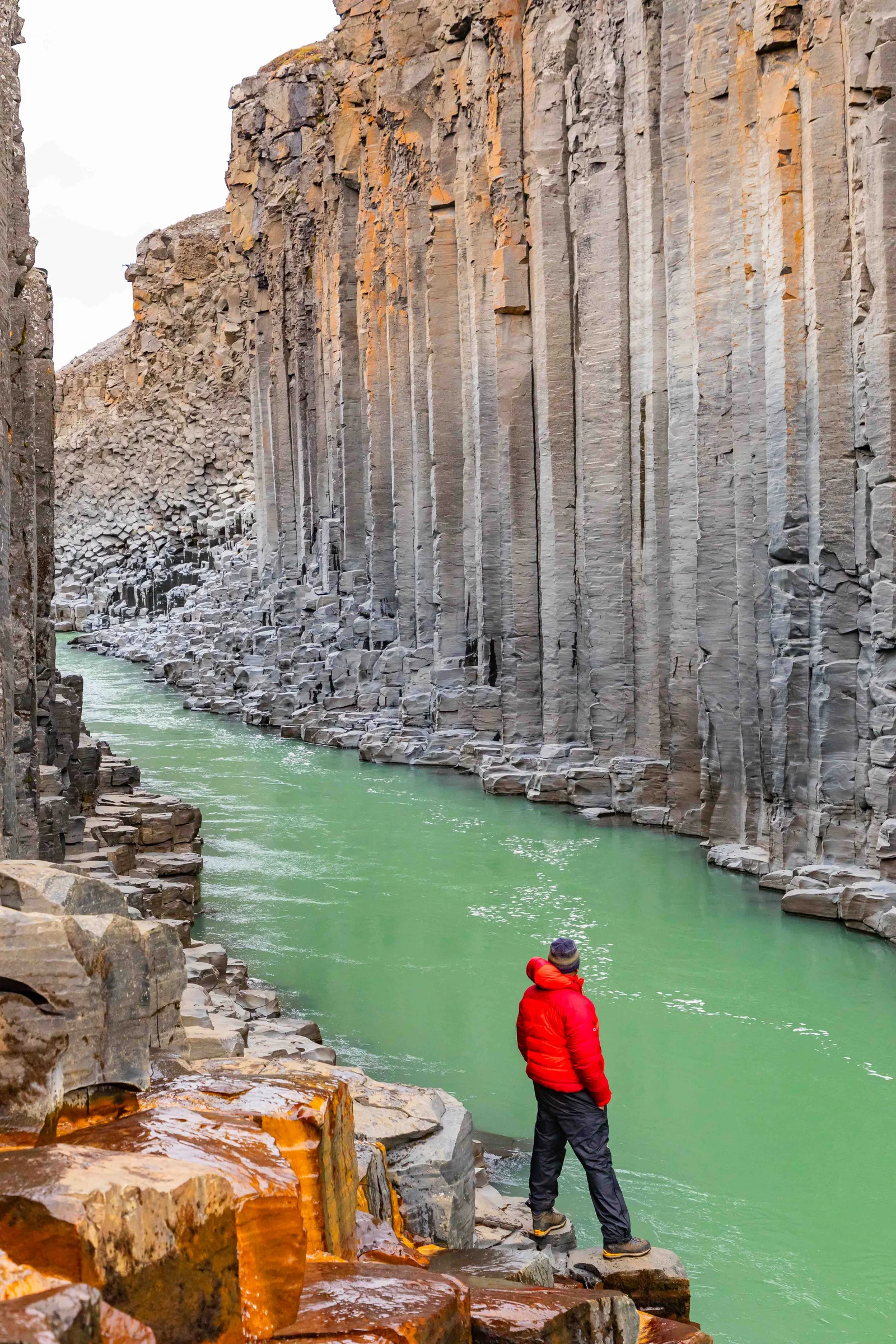
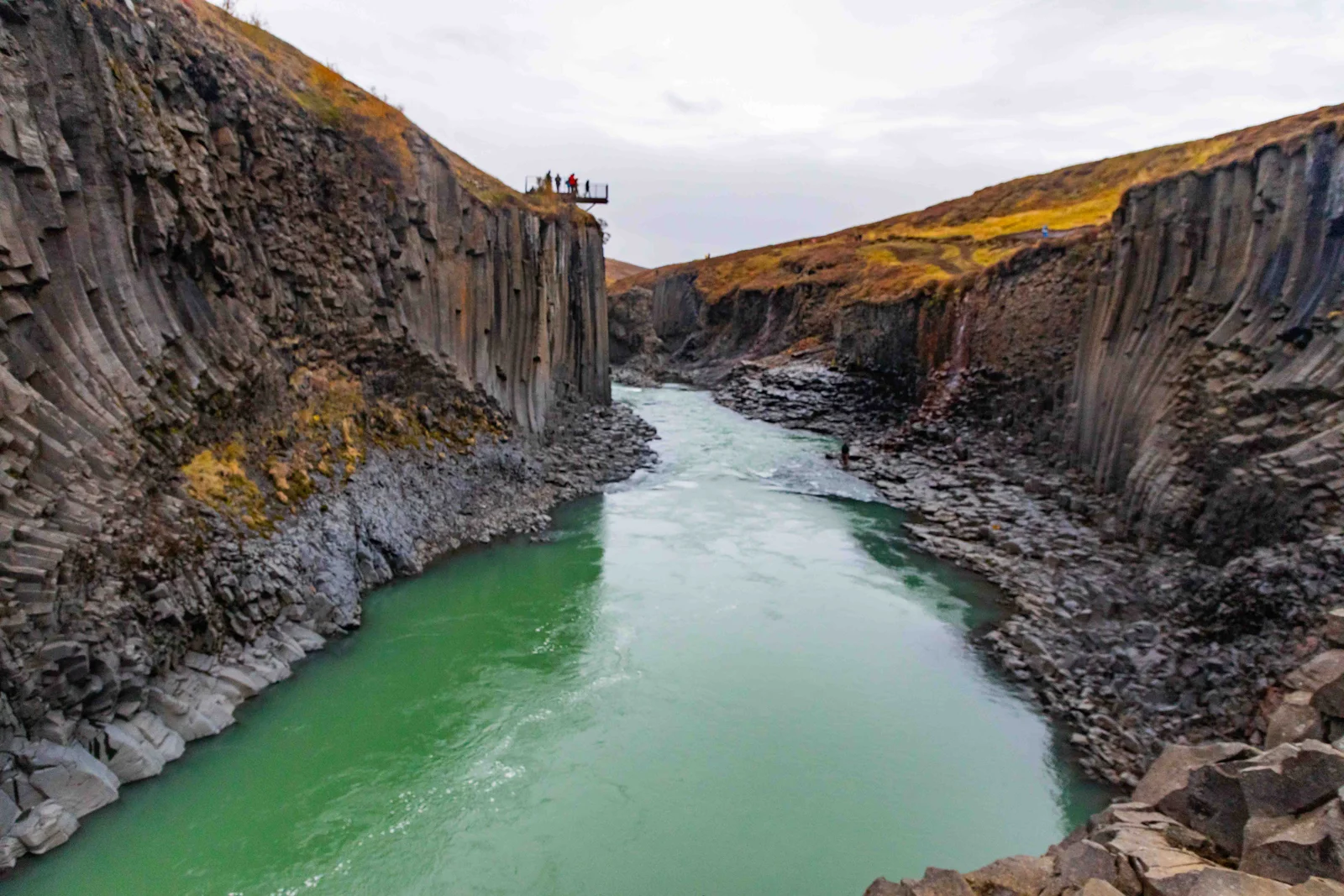
We started our day at Stuðlagil Canyon, known for its striking basalt columns and vibrant blue waters. If it has rained recently, the water may appear gray instead. The best views are from the East side, not the North. To get there, use “Carpark Stuðlagil East side Canyon” in Google Maps. Cross the larger bridge, turn right, and follow the dirt road onto a farmer’s property—just be respectful. Continue until you see a parking lot sign on the right, just before reaching Stuðlafoss, a basalt waterfall. From there, it’s about a 1-mile walk each way to the canyon.
Dettifoss Waterfall
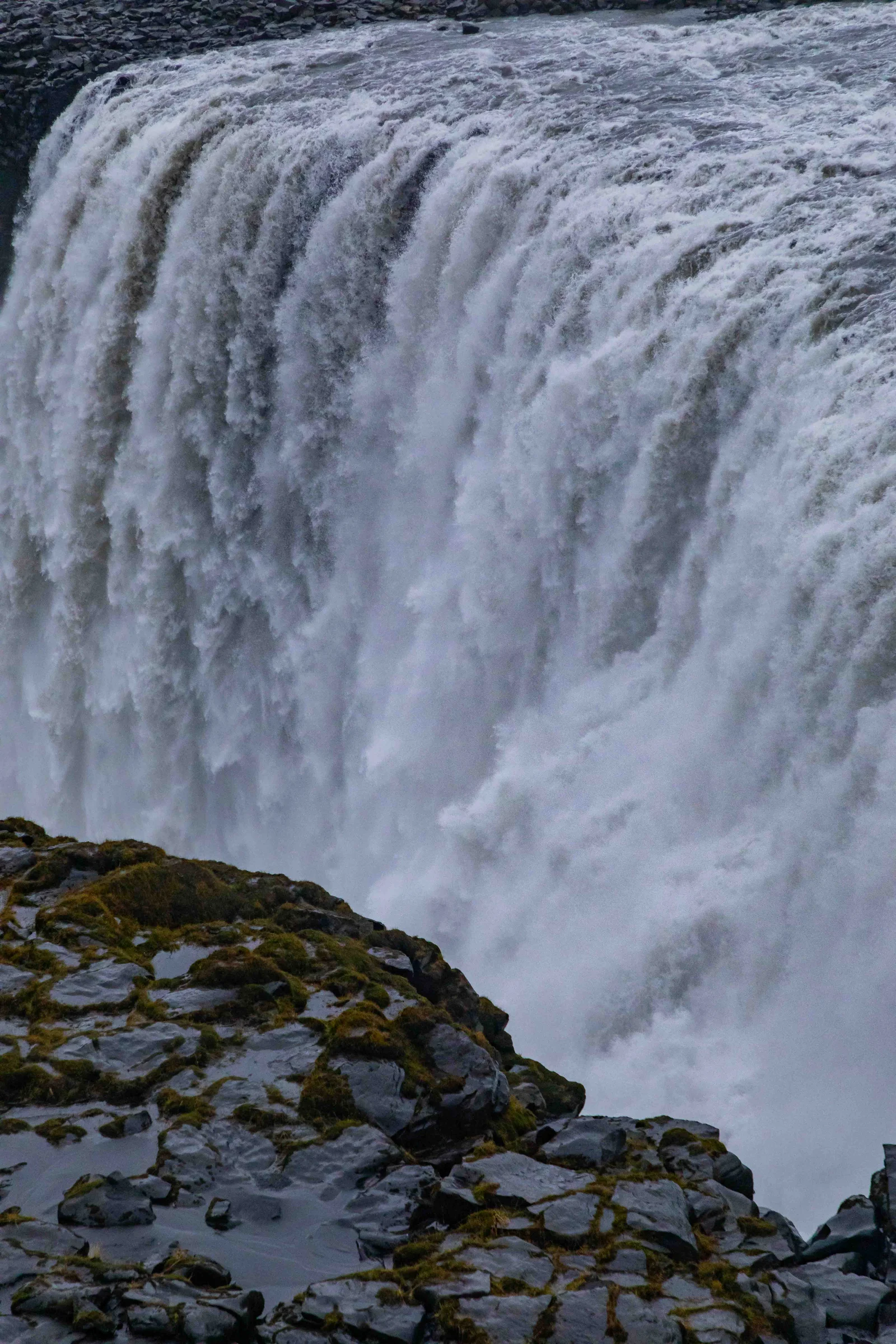
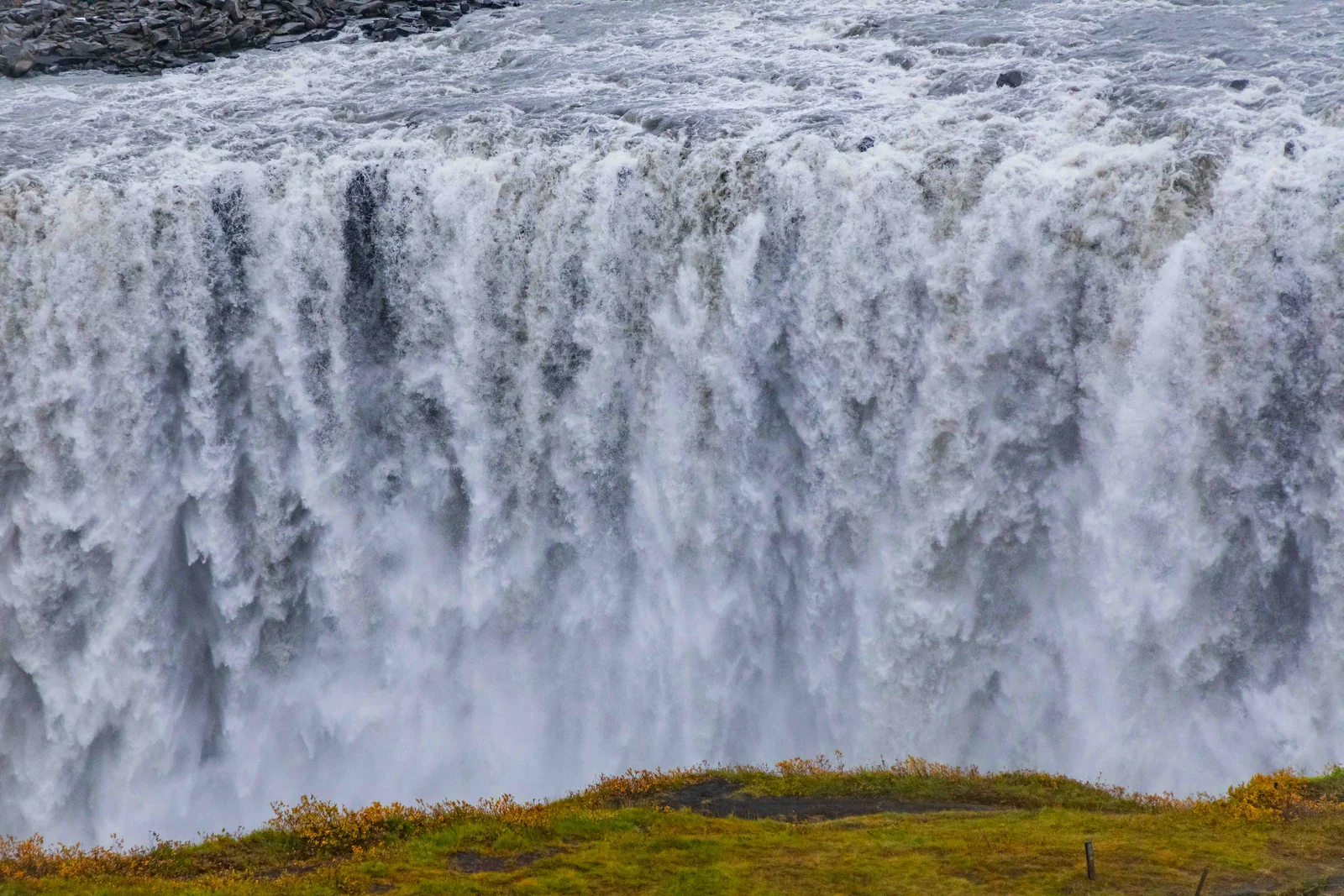
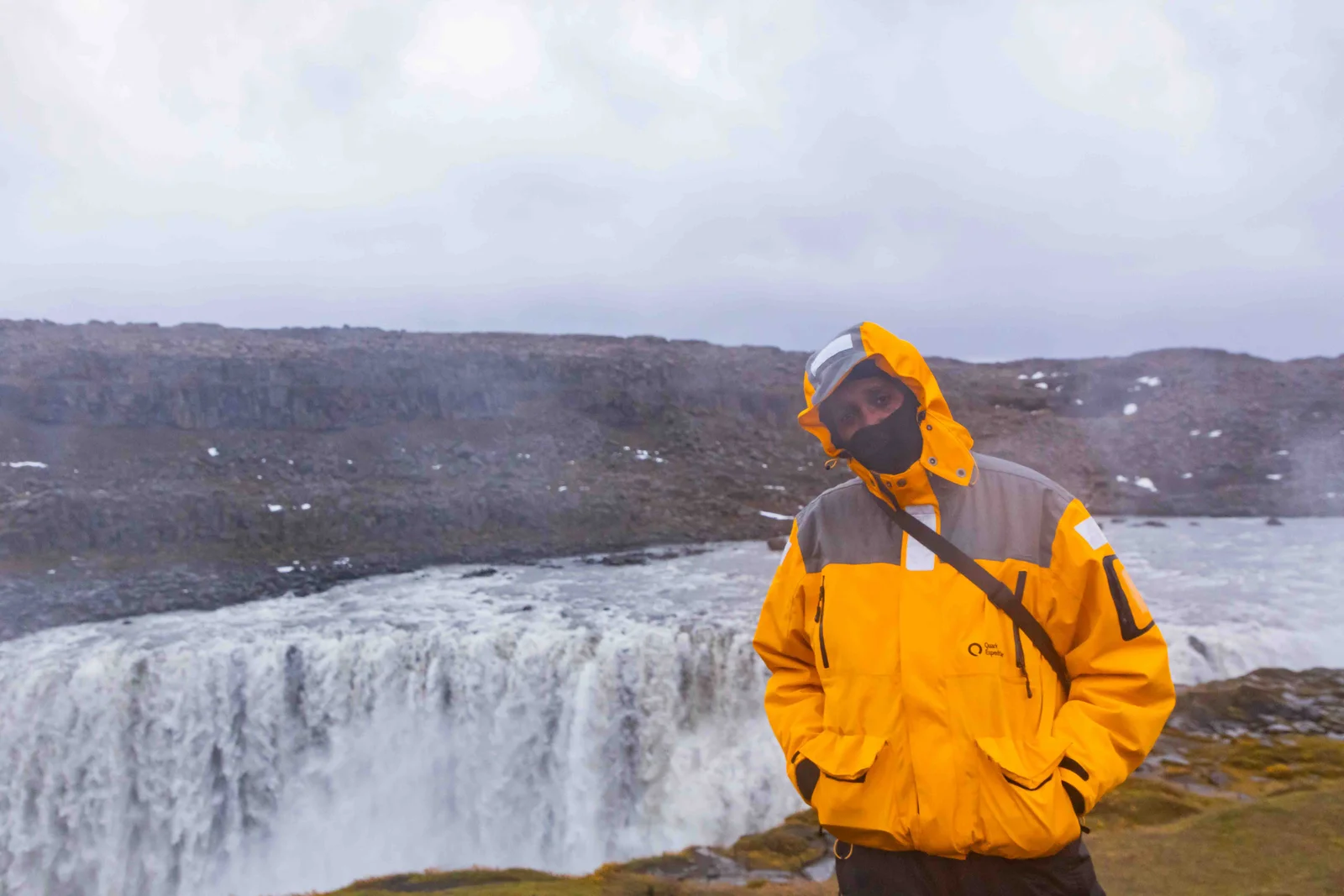
Next, we visited Dettifoss, Europe’s most powerful waterfall. The sheer force of the water is awe-inspiring and makes this a must-see on any trip to North Iceland.
Selfoss Waterfall
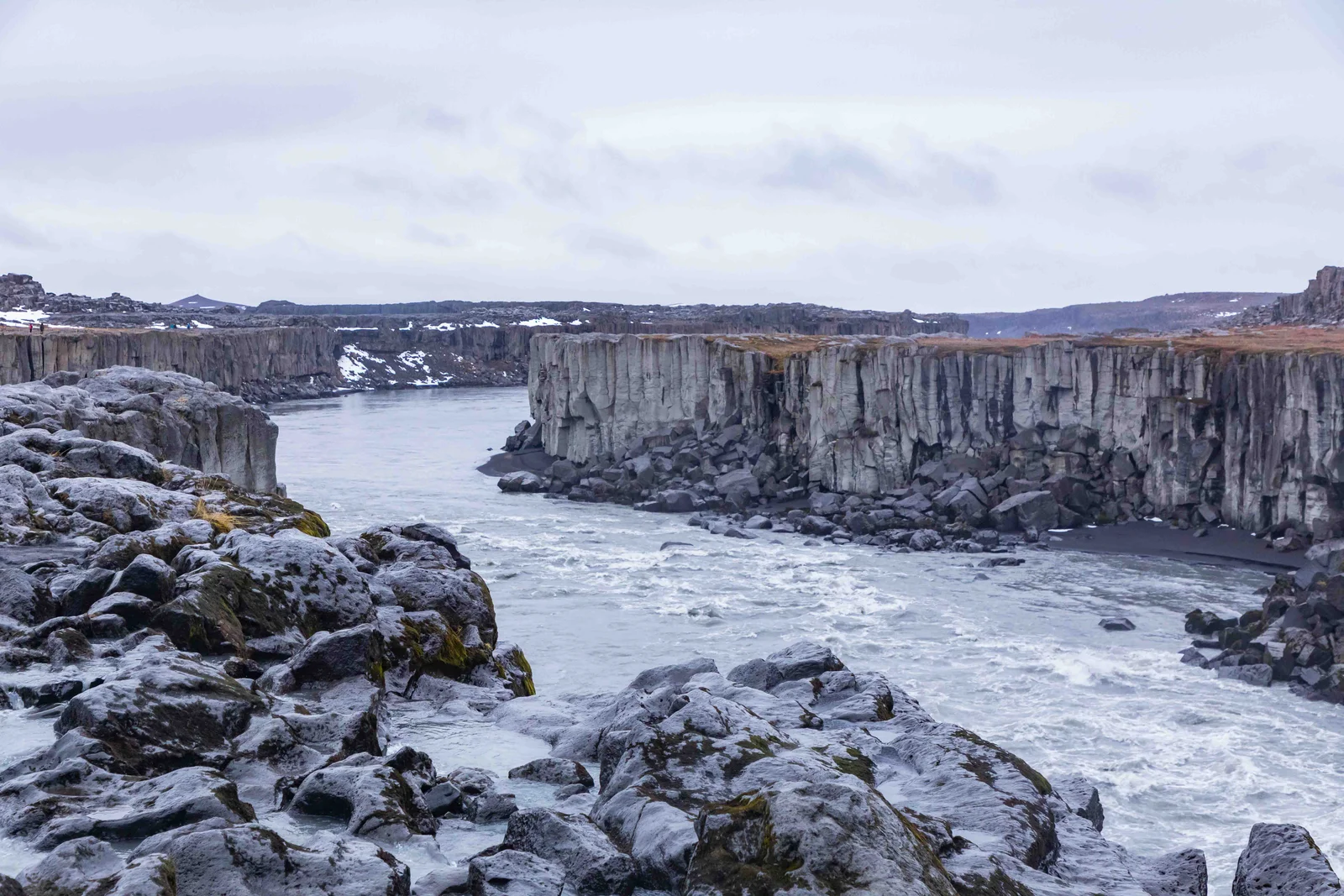
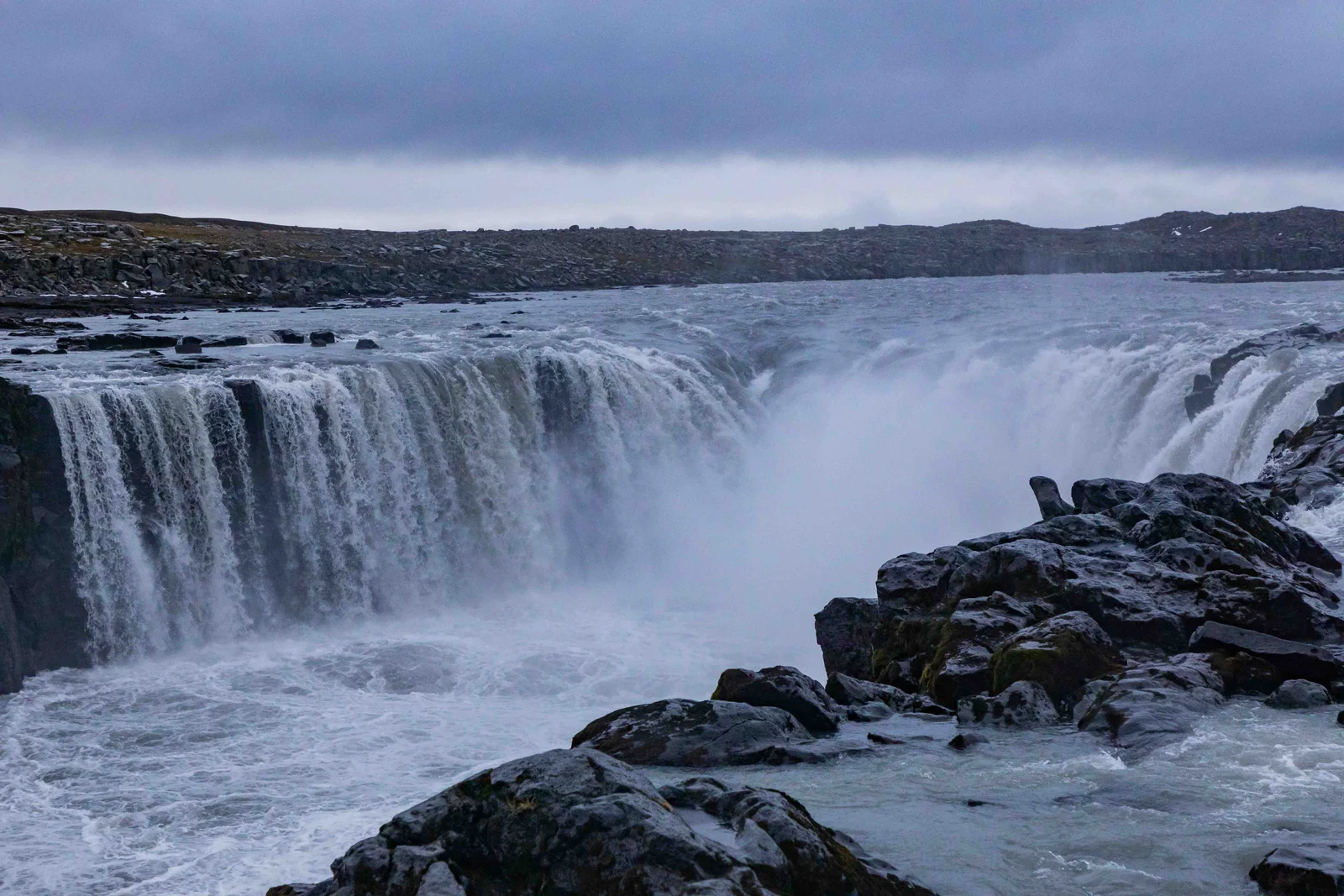
On the same trail as Dettifoss, we found Selfoss, another incredible waterfall. The path is well-marked, making it easy to find. Be sure to take the short detour to experience this stunning sight while you’re here.
Myvatn Nature Baths
We ended our day at the Myvatn Nature Baths, the perfect place to relax after a day of exploring. Often referred to as the “Blue Lagoon of the North,” these geothermal baths offer a soothing soak with fewer crowds and at half the price of the more famous Blue Lagoon. Here, we enjoyed the warm, mineral-rich waters and had a few drinks while taking in the stunning views of the surrounding lava fields. It’s a great way to unwind and recharge for the next leg of your journey.
For our camping option, we booked a night at the Camping Myvatn.
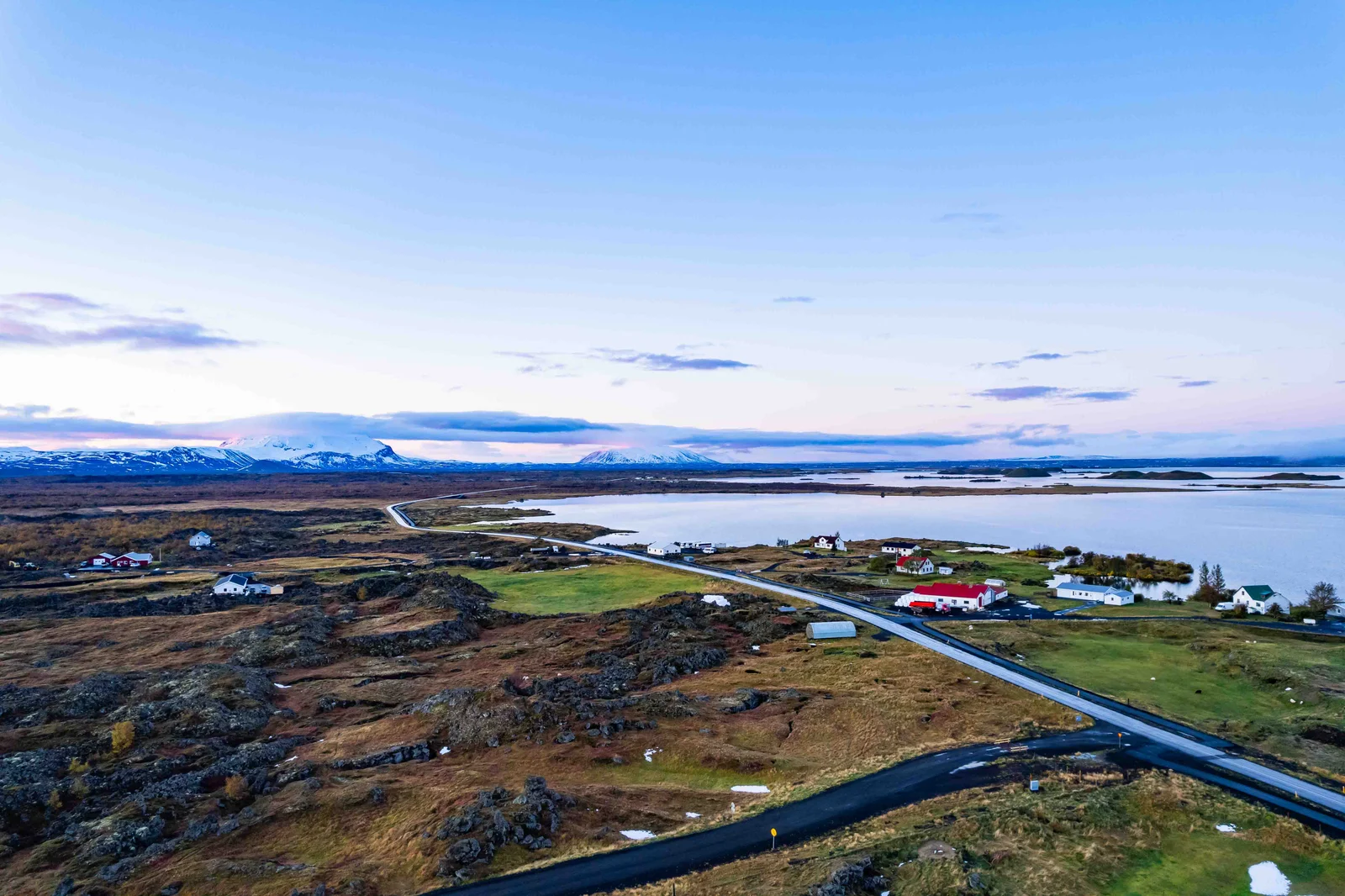
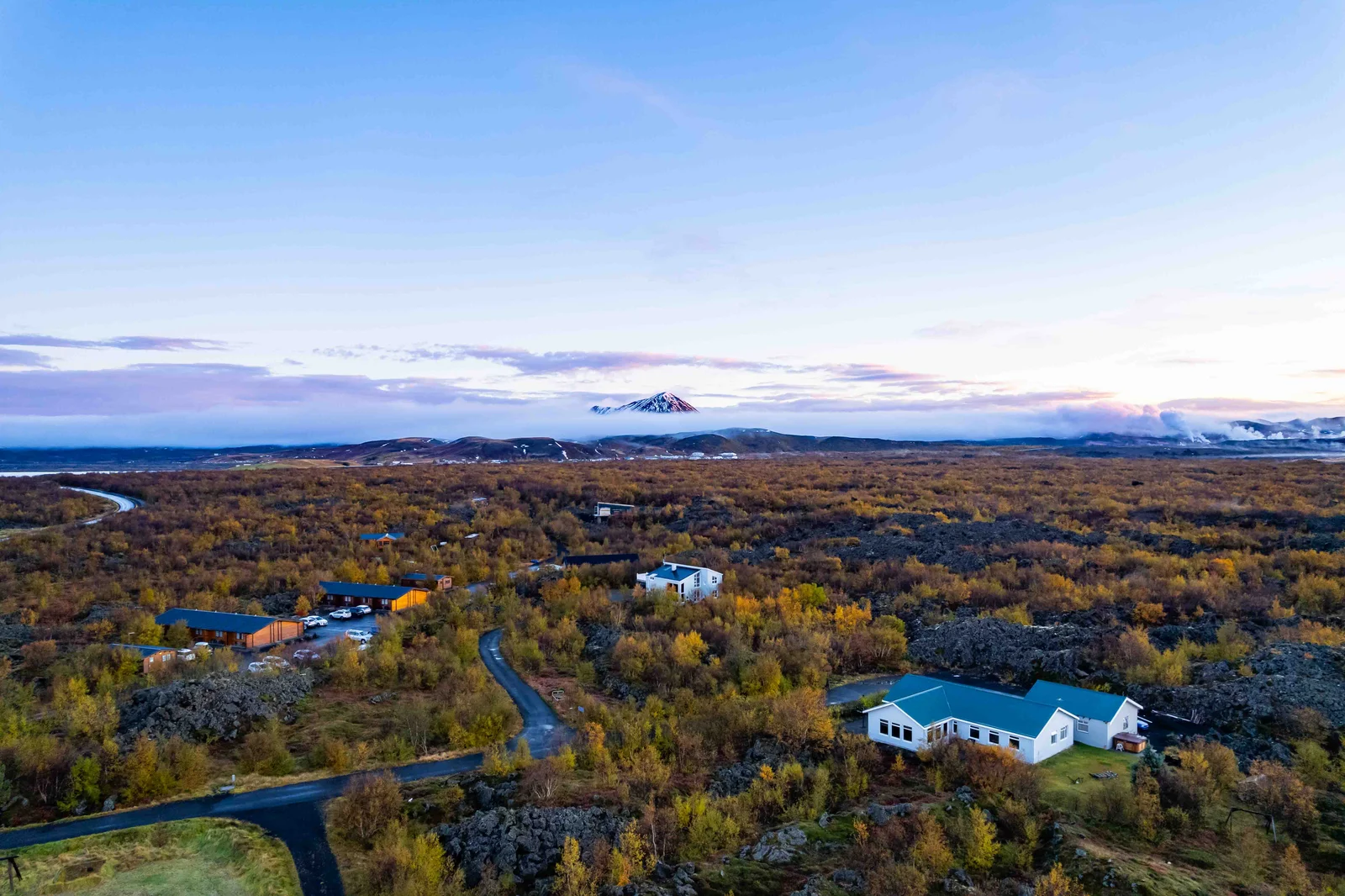
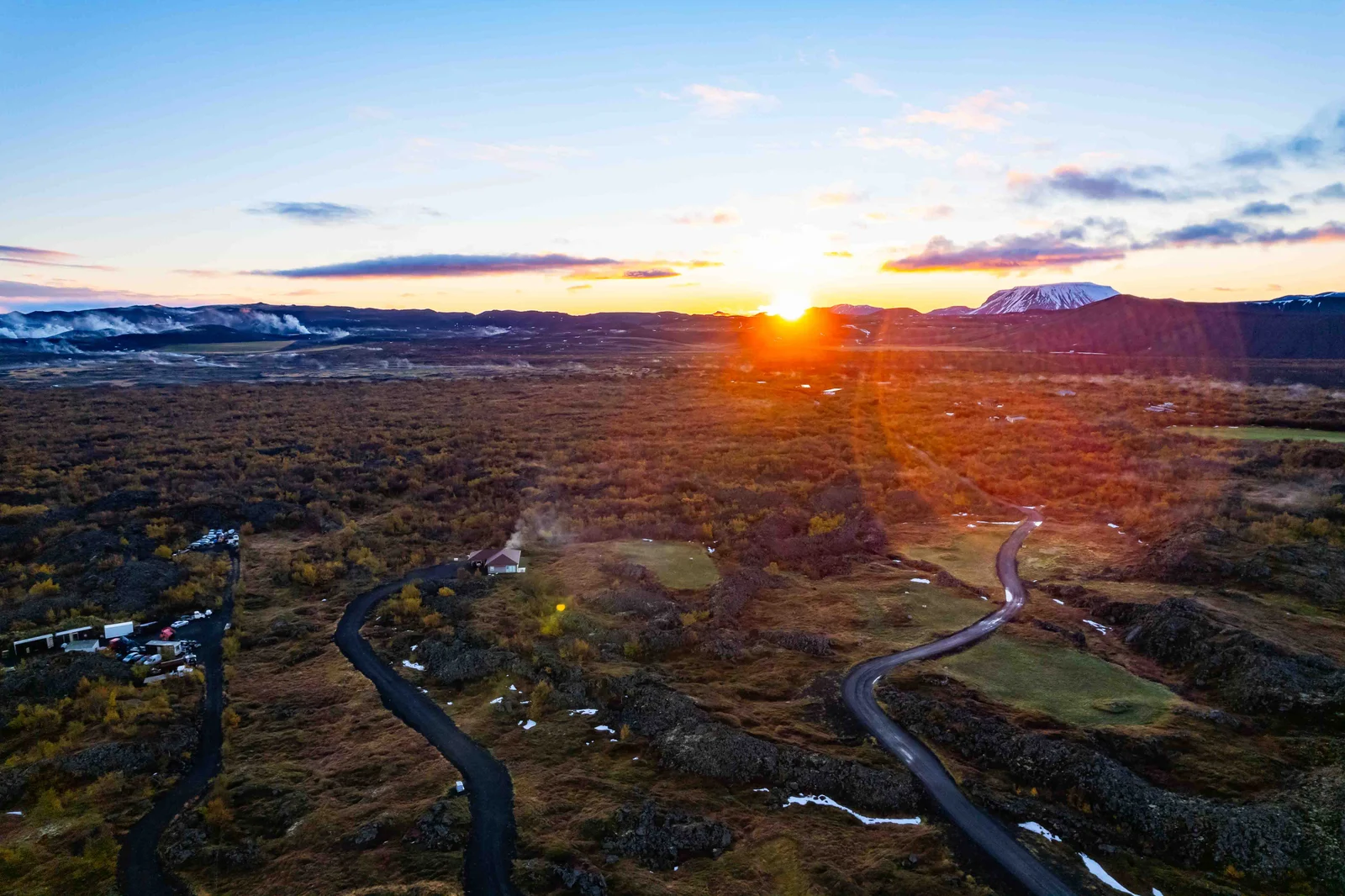
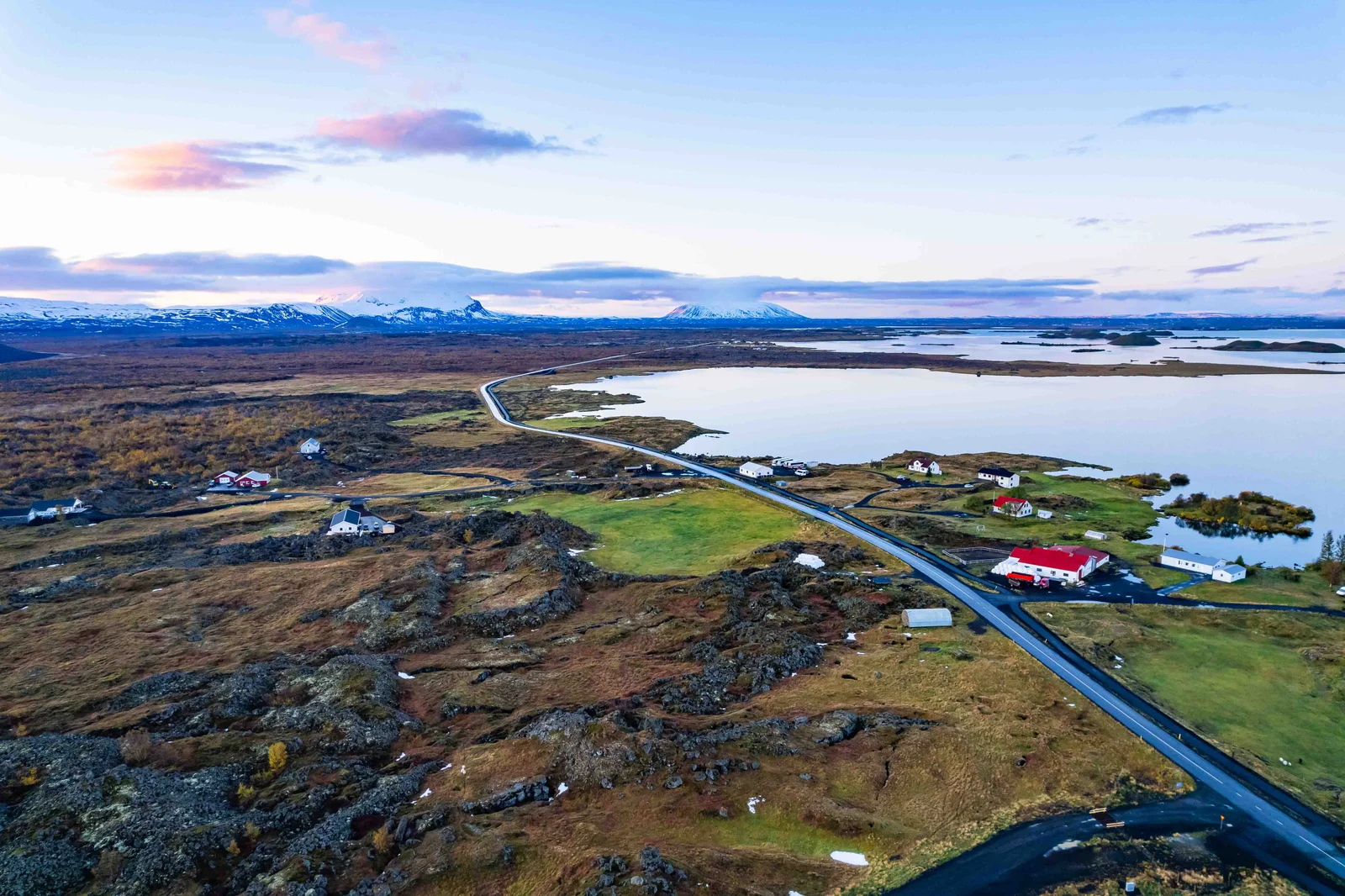
We started our day early, leaving our campsite and heading straight to the Hverir Geothermal Area. Located not far from our camping spot and the Myvatn Nature Baths, this was the perfect place to begin our day’s exploration.
Krafla Crater
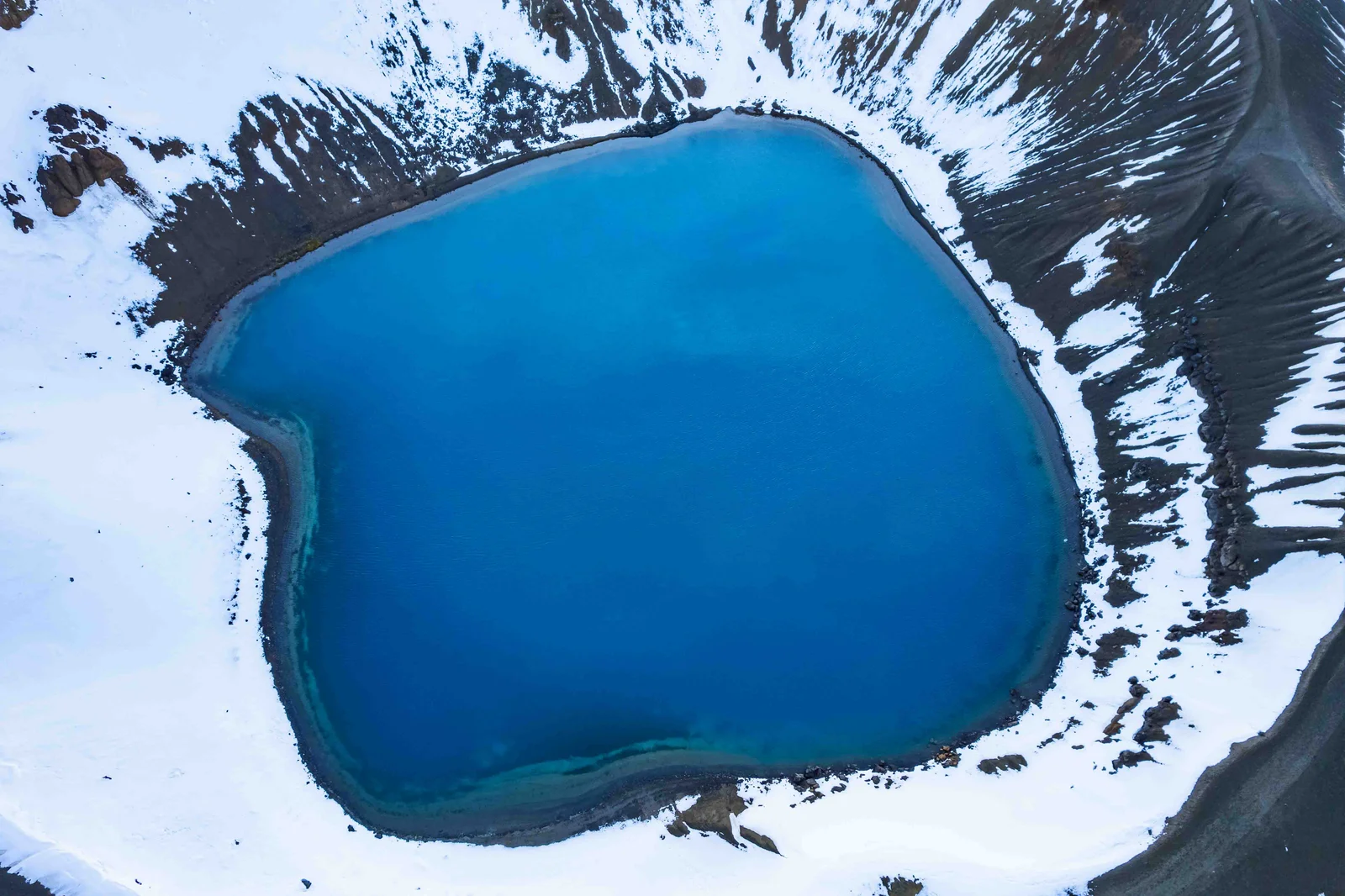
Our first major stop was Krafla Crater, a striking volcanic crater filled with vivid blue water. We took a hike around the crater, which offered breathtaking views and a unique look into Iceland’s volcanic landscape. The contrast of the blue water against the dark volcanic rock was truly mesmerizing.
Hverir Geothermal Area
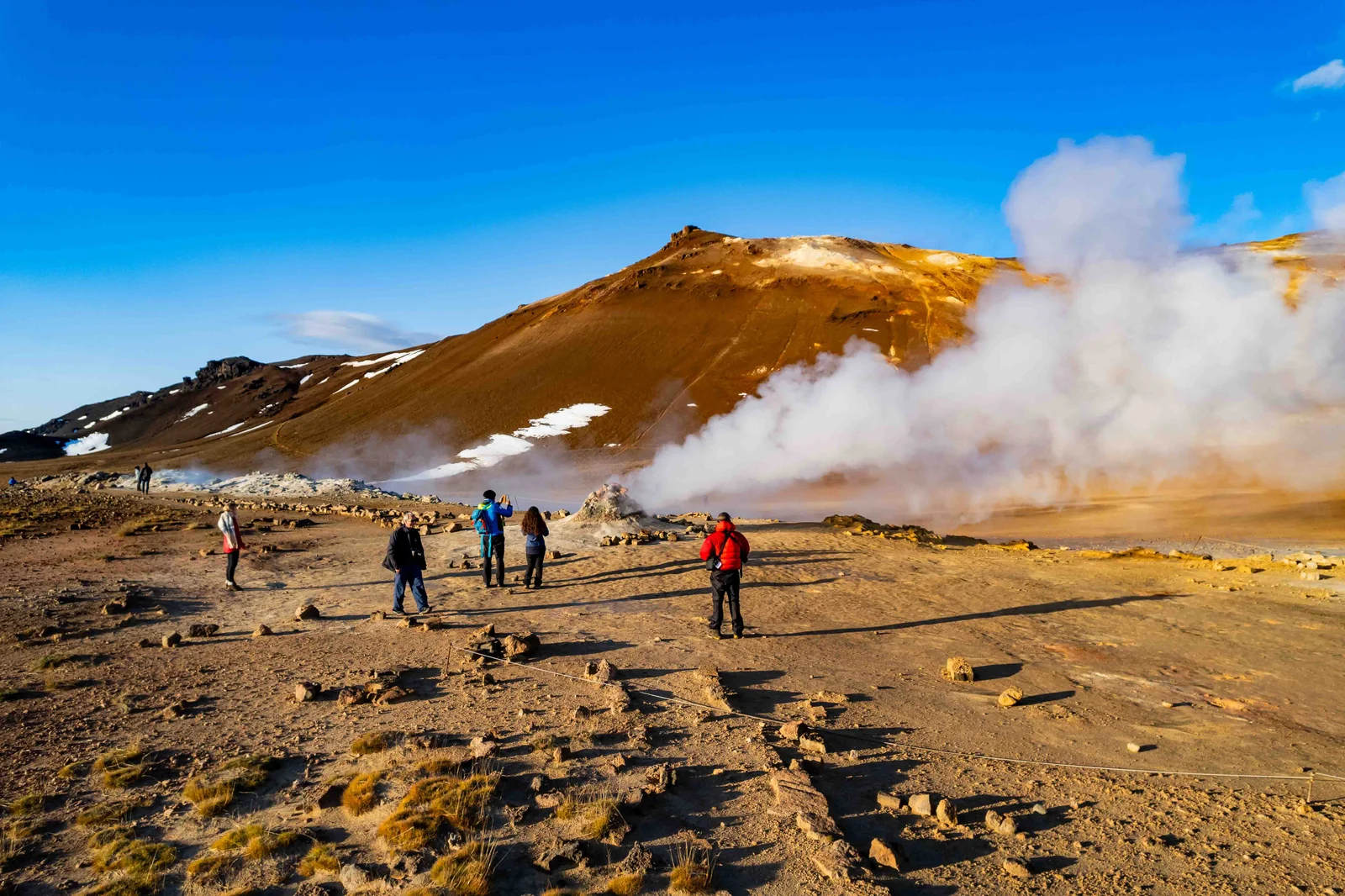
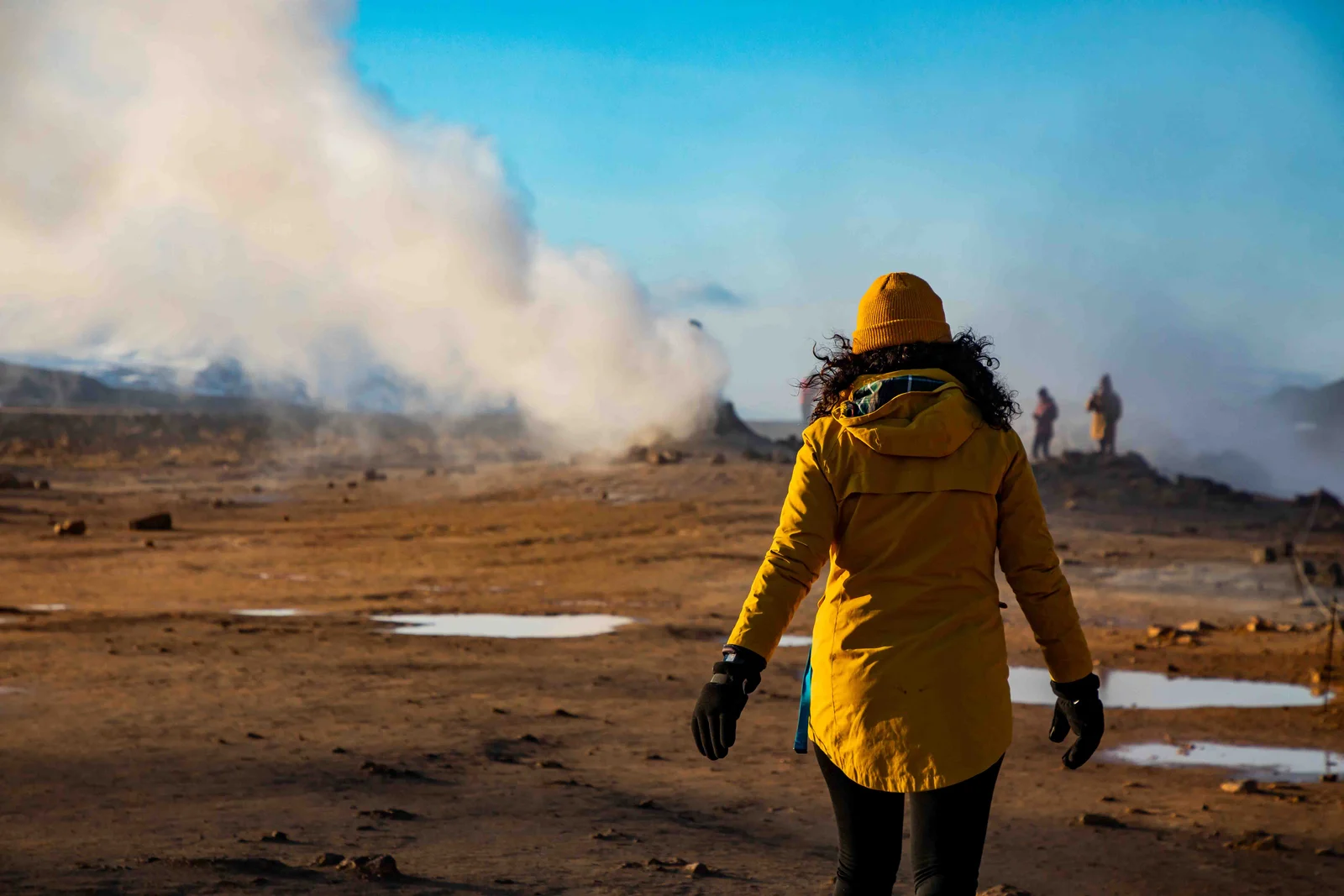
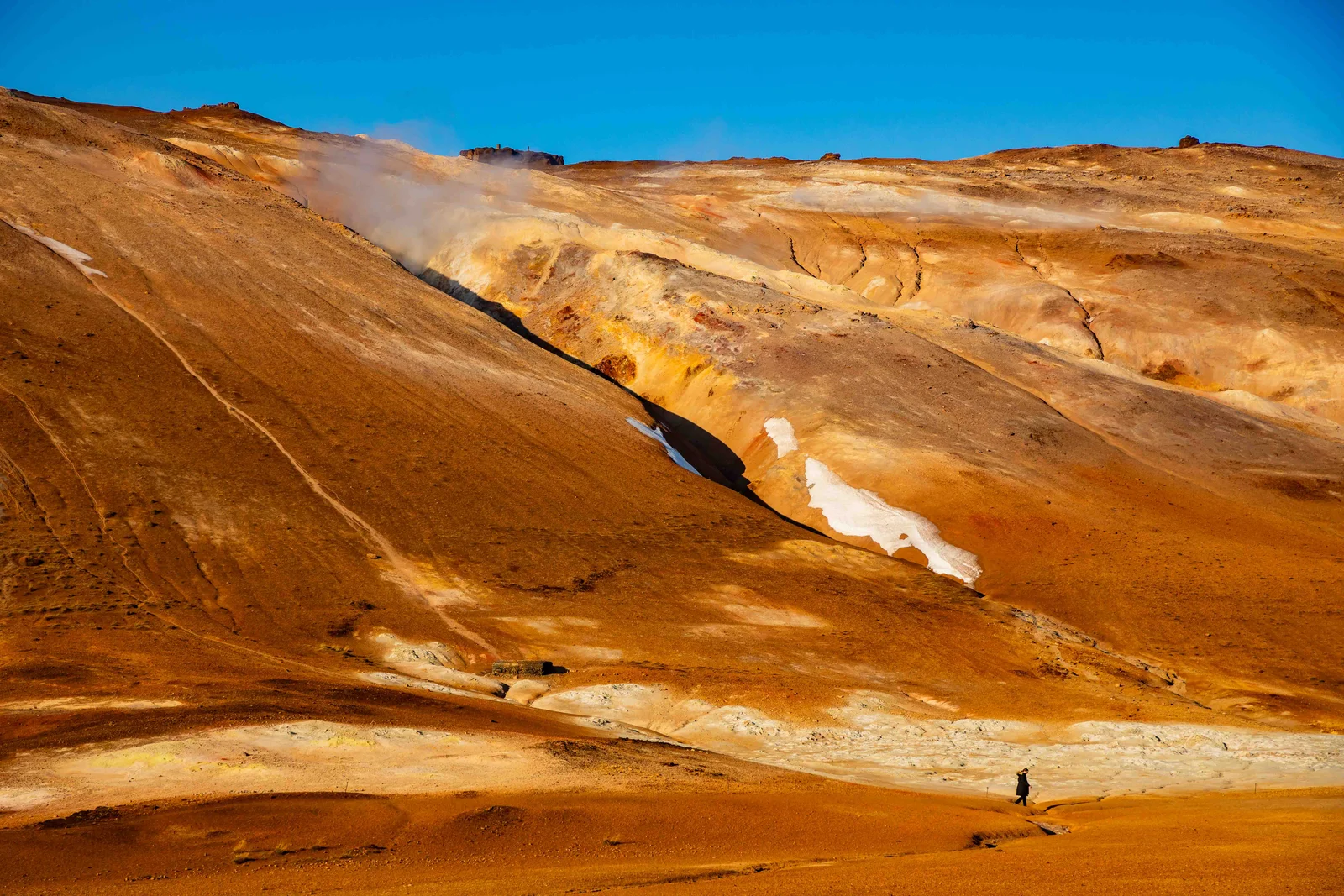
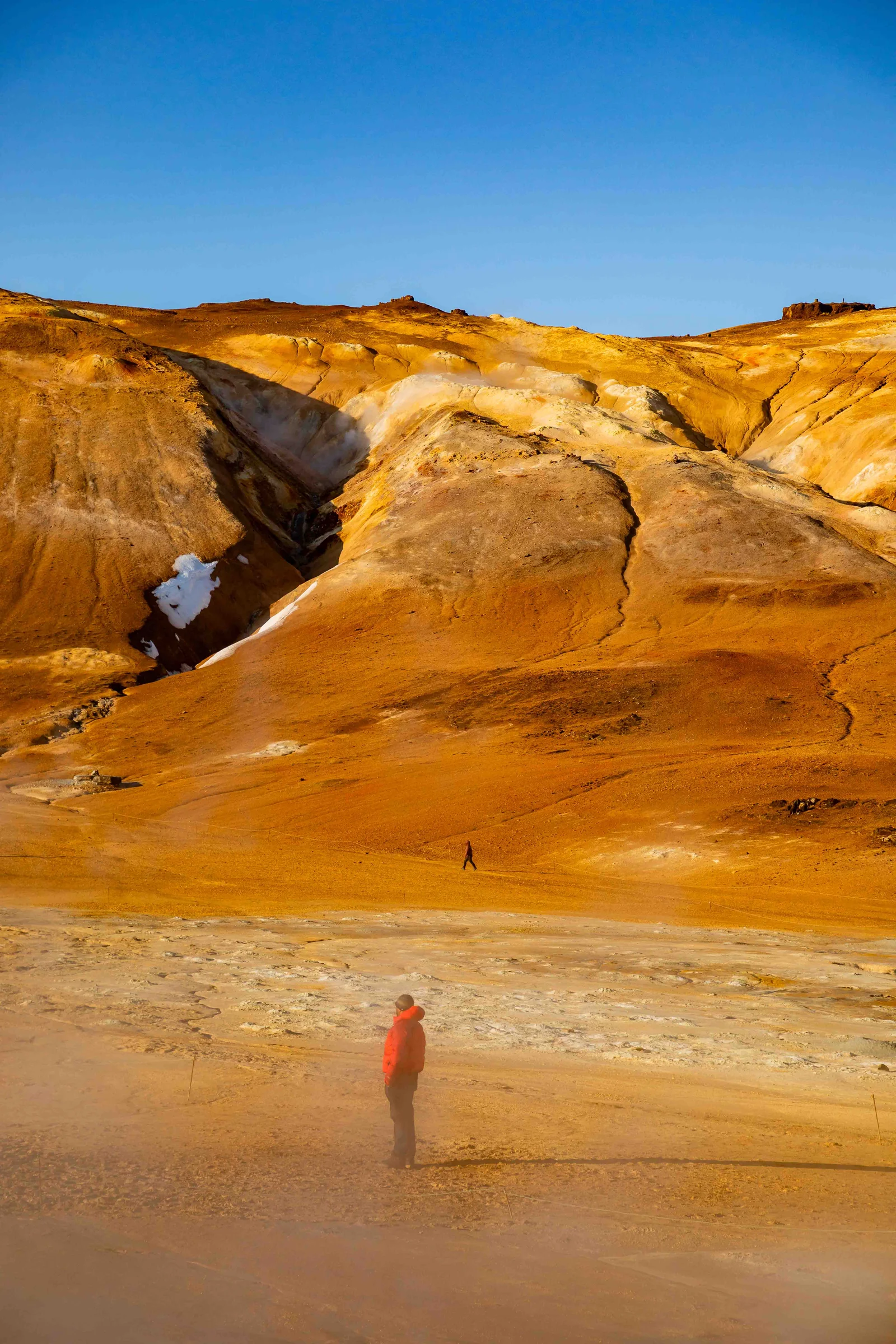
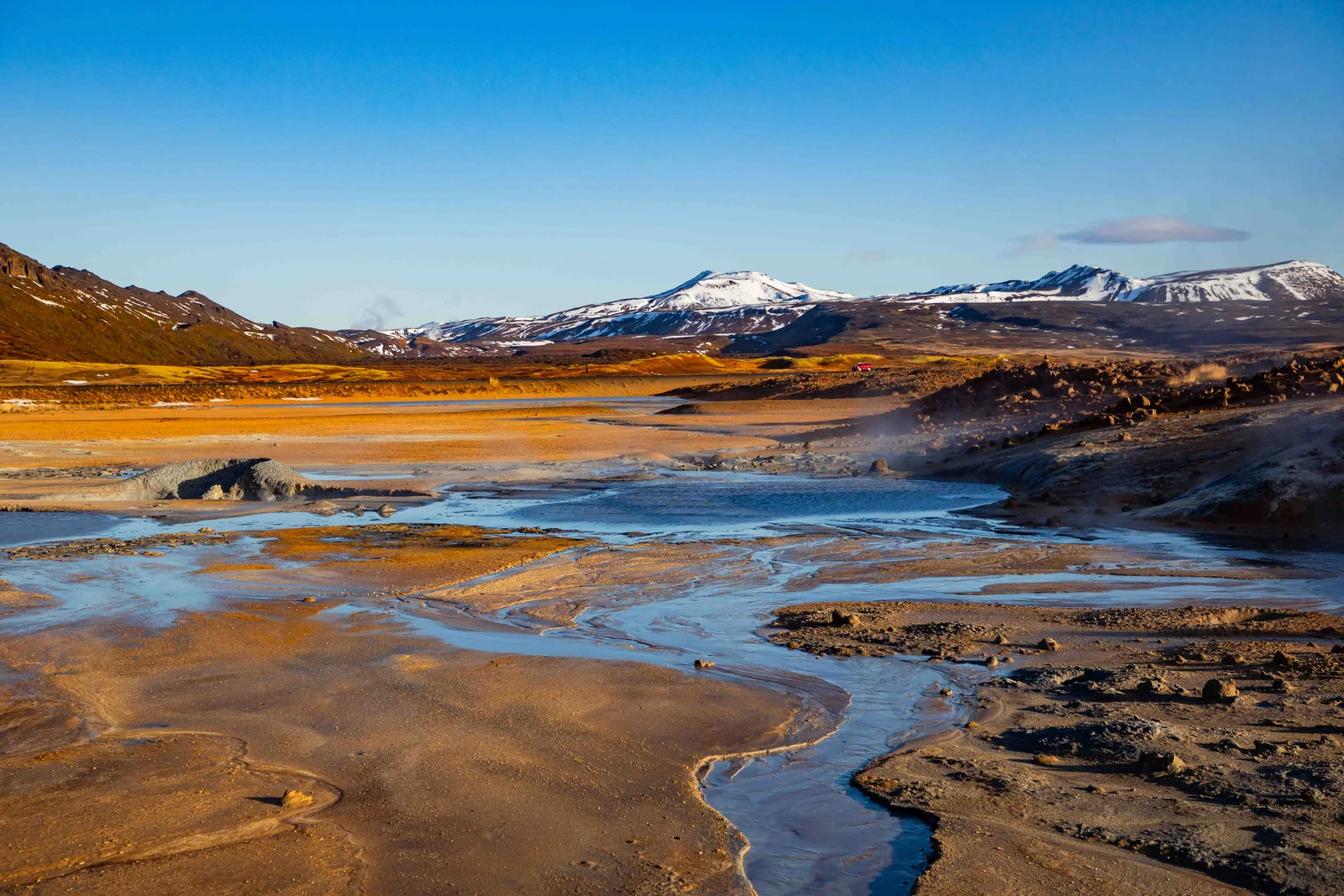
Next, we explored the Hverir Geothermal Area. The air was thick with the smell of sulfur, but the landscape was unlike anything else. Bubbling mud pots, steaming vents, and the eerie, otherworldly terrain made this one of the most fascinating spots in North Iceland. As one of the most active volcanic regions in Iceland, Hverir offers a wild and raw natural experience.
Grjótagjá
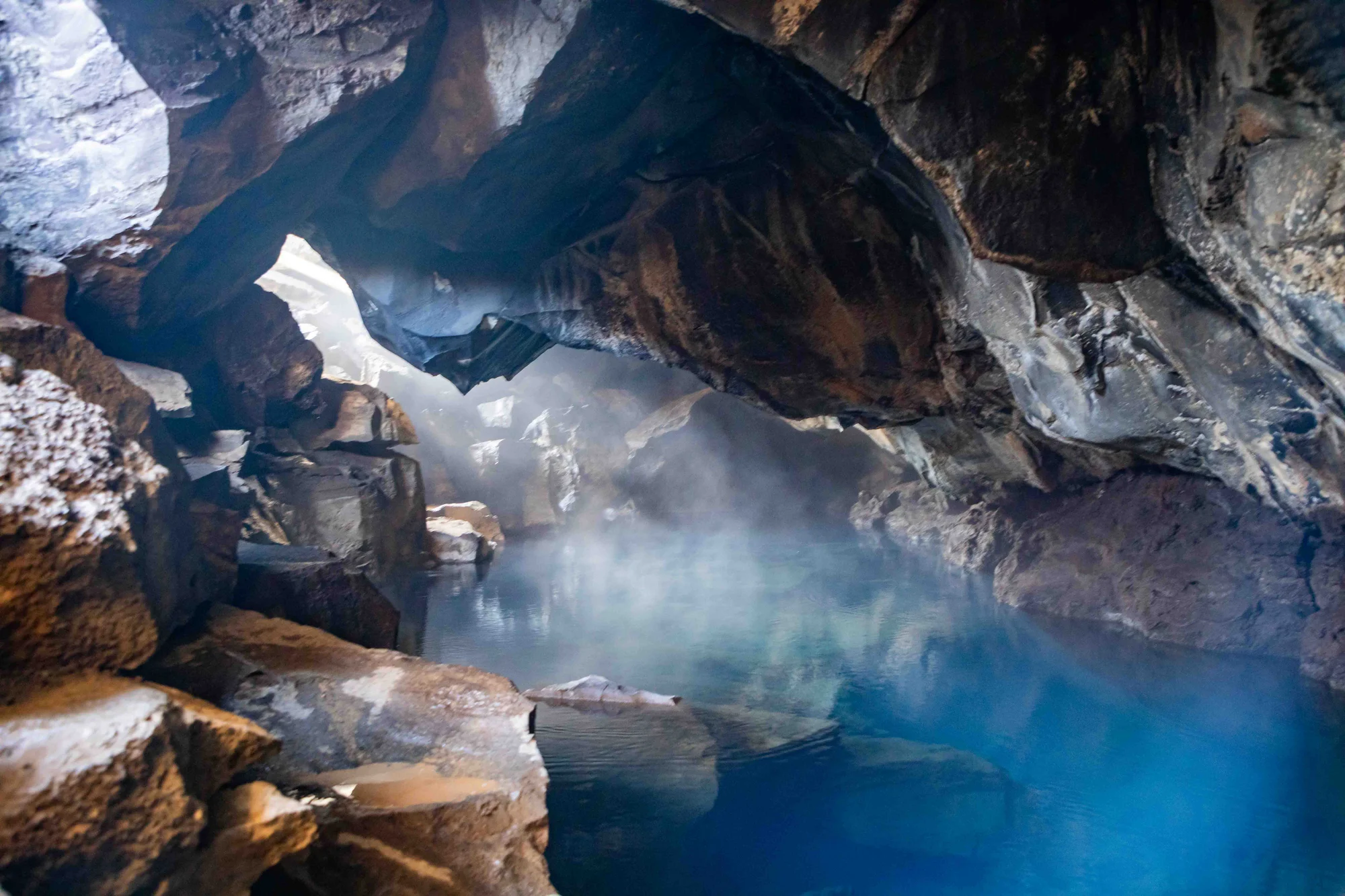
We then visited Grjótagjá, a famous hot spring cave best known for its appearance in Game of Thrones. Though the water is too hot for swimming, the cave itself is stunning and worth a visit.
Dimmuborgir
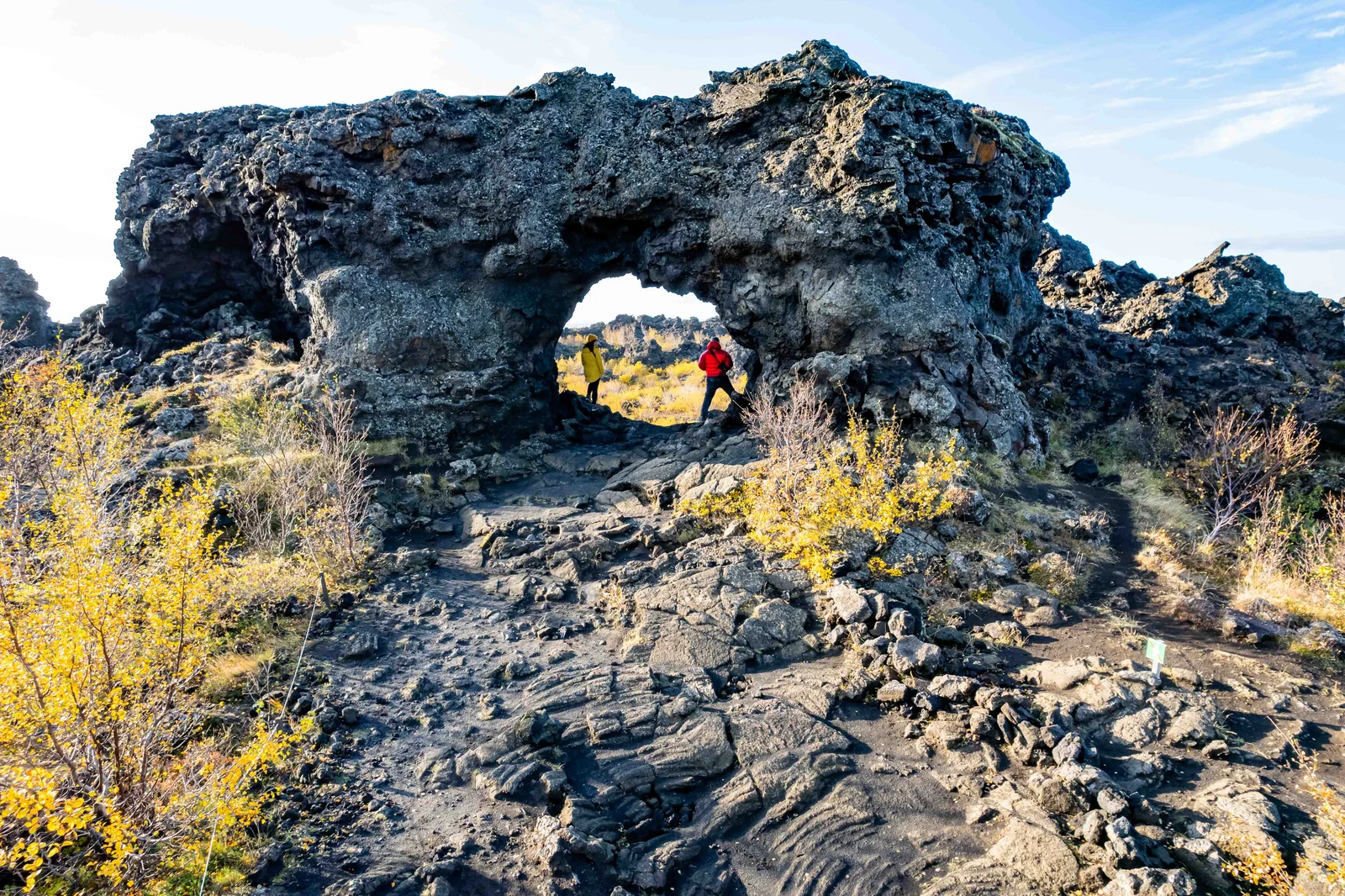
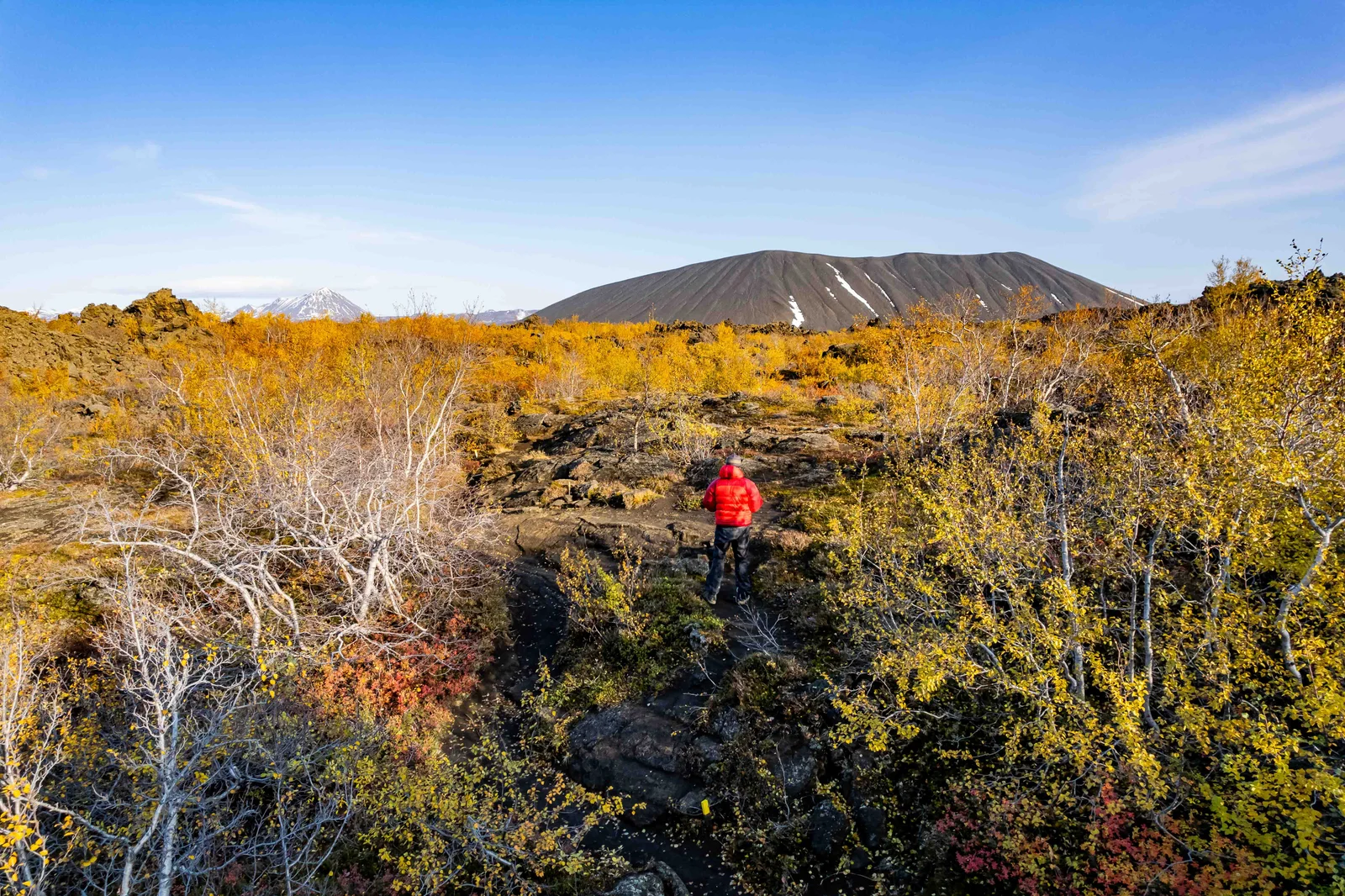
Our journey continued to Dimmuborgir, an incredible lava field in the Myvatn area. The area is filled with fascinating lava formations and caves. We took the “difficult trail,” which wasn’t hard at all but offered a fun and engaging path. We also made sure to stop at the Kirkja Church Cave, a unique lava formation resembling a church.
Stóragjá
Stóragjá was our next stop, a lesser-known hot spring hidden within a cave. The water here was a brilliant blue, similar to Grjótagjá. There are several entrances to explore, so we took our time checking them all out. Though it’s a great spot, you can skip it if you’re pressed for time, as there’s another hot spring option later in the day.
Goðafoss Waterfall
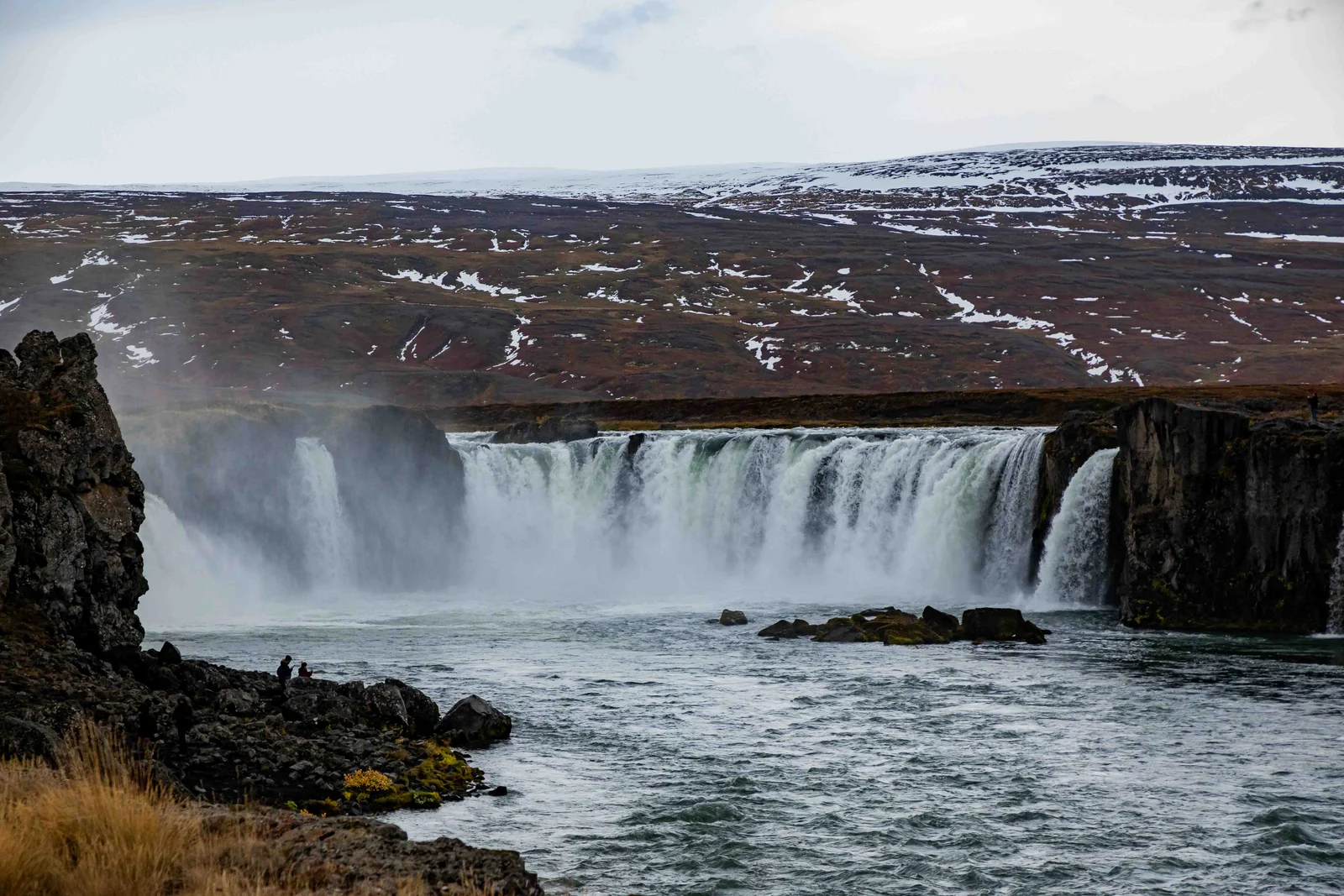
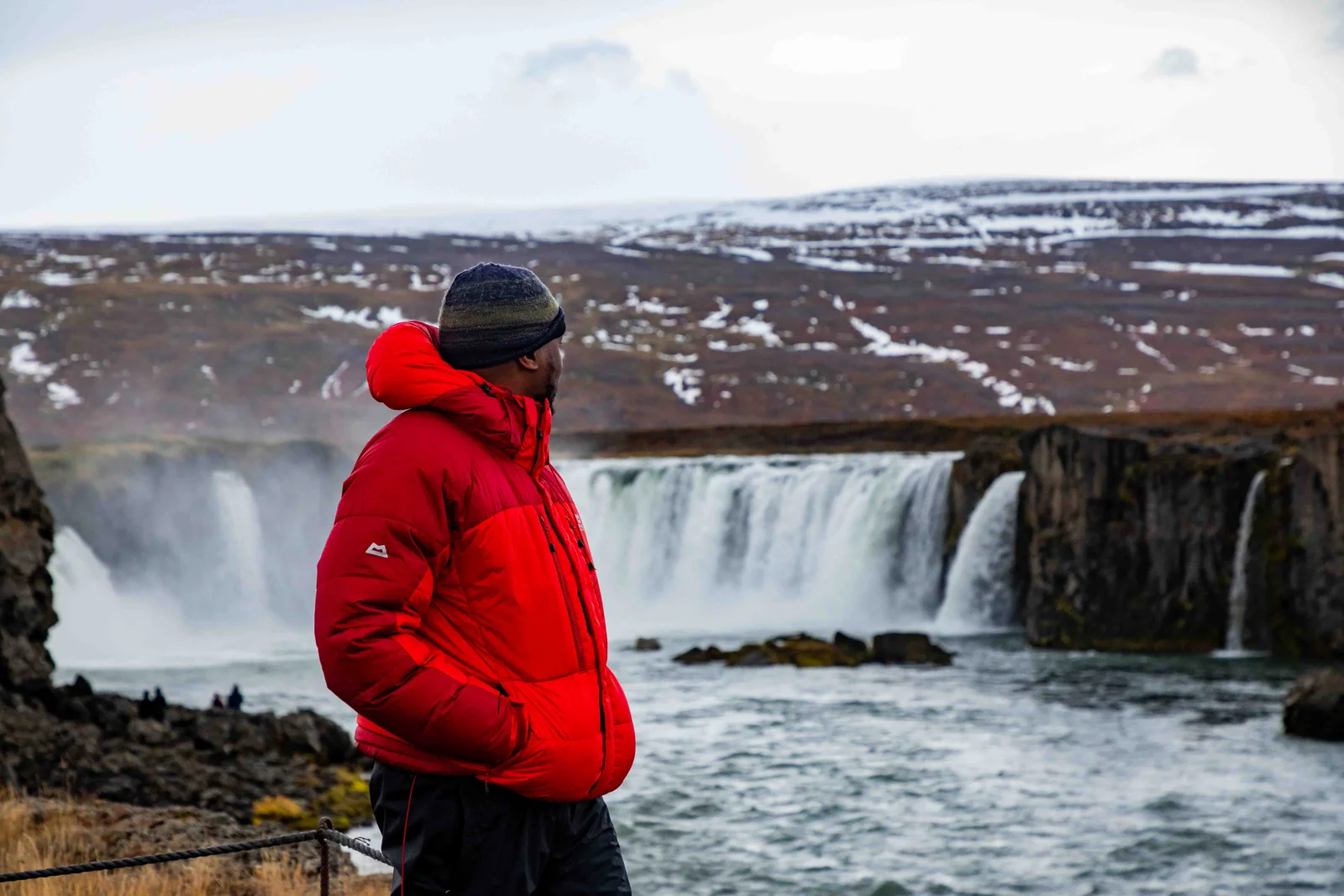
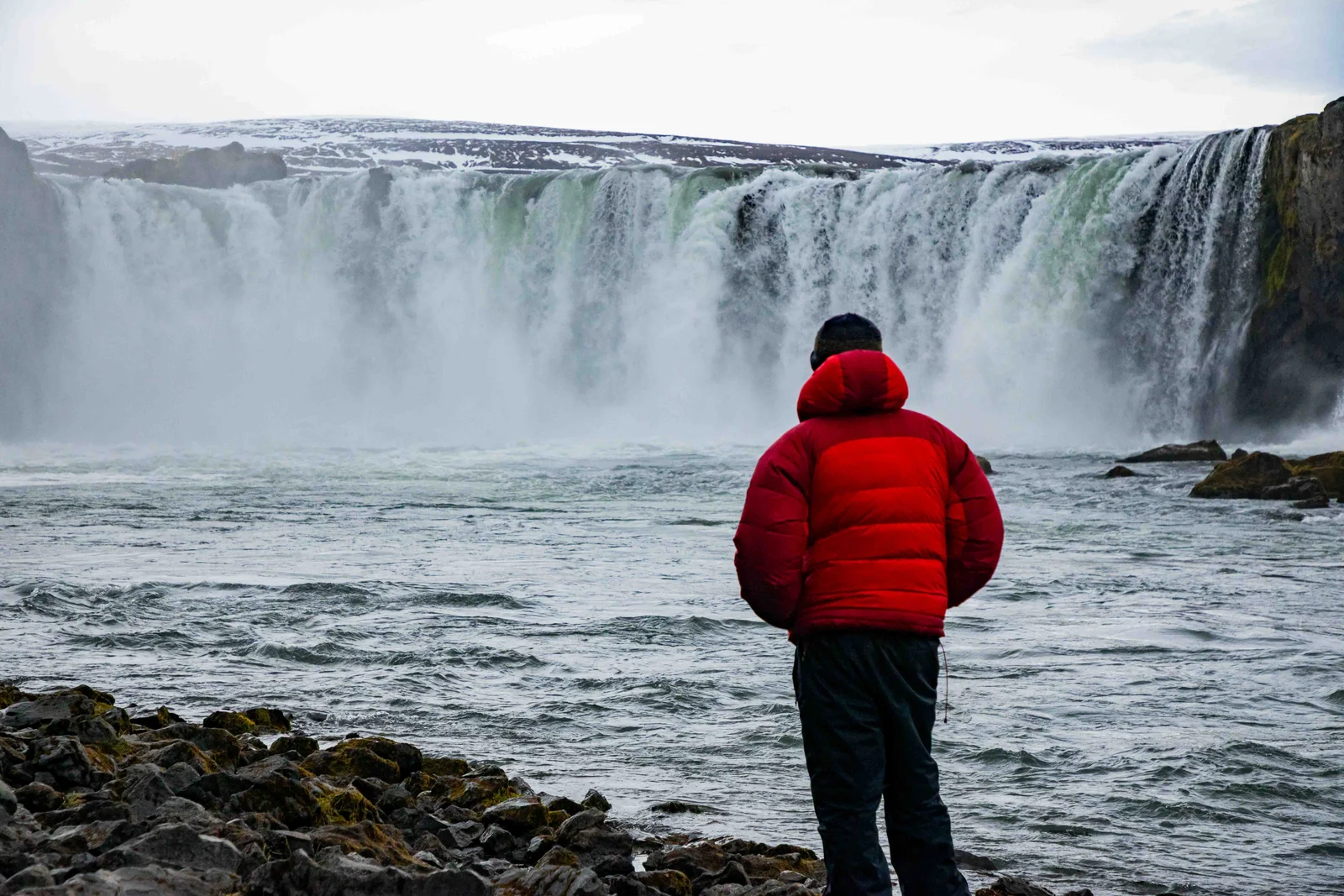
Finally, we ended our day at Goðafoss, my favorite waterfall in North Iceland. The shape of the falls reminded me of a smaller version of Niagara Falls. It’s stunning year-round and easily accessible with a short, paved walk from the parking lot. No hiking is required, making it a perfect last stop before concluding our adventure.
Hidden Hot Spring Waterfall
To end the day, we drove from Akureyri to a hidden hot spring waterfall that has recently gained popularity thanks to social media. This spot, though lacking an official name, is a must-see. The location offers a fantastic view over the town of Akureyri, and the experience is truly unique. To get there, you’ll need to drive through a tunnel. Interestingly, when the tunnel was being constructed, workers hit a natural water line, redirecting it to where it flows now. This hidden gem is expected to be turned into another spa soon, so don’t miss the chance to enjoy its natural beauty while it lasts.
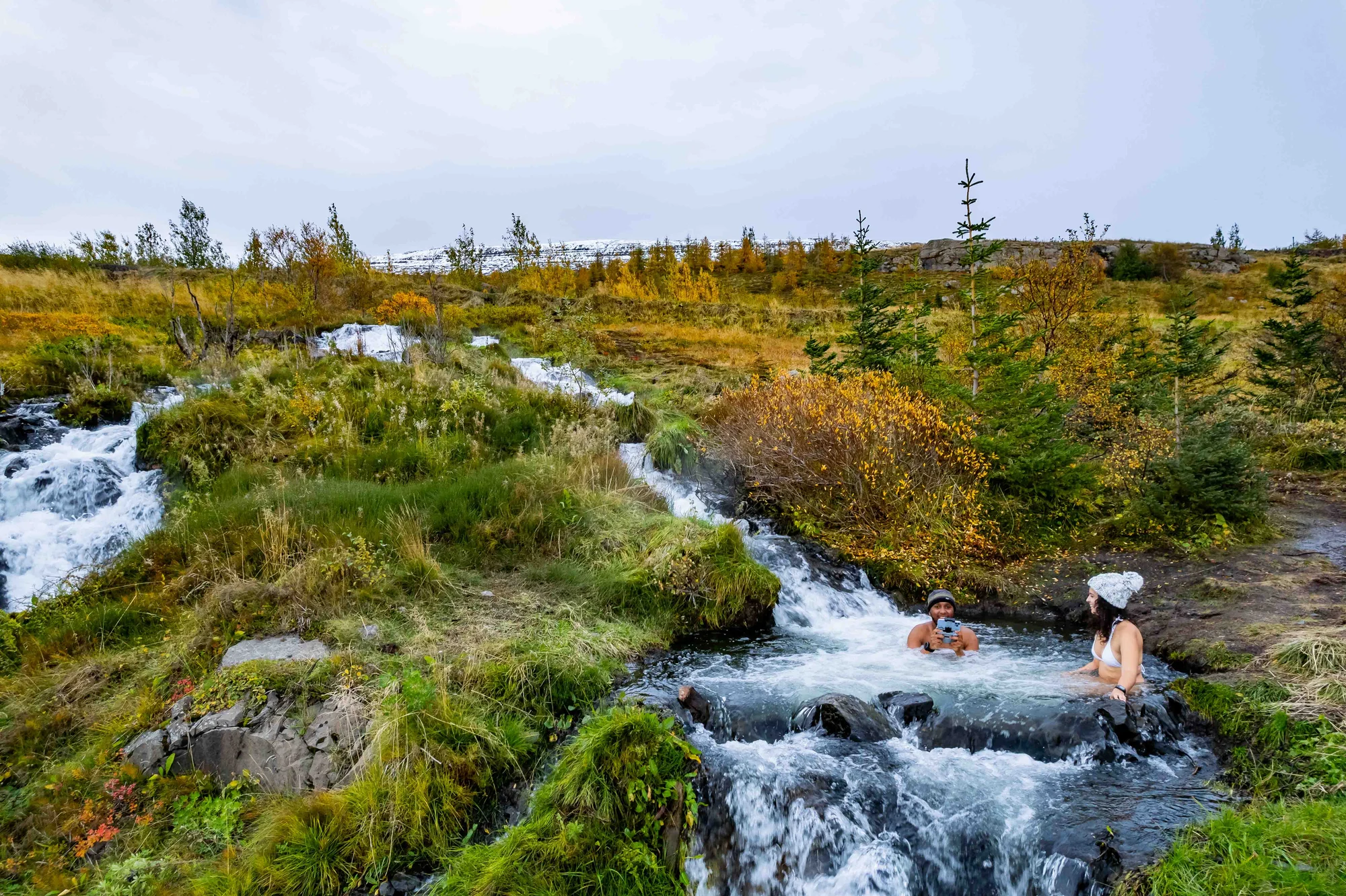
After enjoying the hidden hot spring waterfall near Akureyri, we continued our journey towards our final camping stop as we began making our way back to Reykjavík. The drive took us through some of North Iceland’s beautiful landscapes, offering a few last opportunities to soak in the country’s stunning scenery.
On our final day, we made the drive back to Reykjavík, where we returned our campervan to Kuku Campers. This marked the end of our incredible Iceland road trip. As we reflected on our journey, we realized how much we had packed into our trip, from exploring remote fjords to hiking around volcanic craters and relaxing in natural hot springs.
Final Tips for Your Iceland Road Trip:
Plan Your Route: While flexibility is key, having a rough itinerary helps ensure you don’t miss any must-see spots. Make sure to account for driving times and plan your camping stops accordingly. We drove in total 1600 Km on our whole trip.
Be Weather-Ready: Iceland’s weather can be unpredictable. Pack layers, waterproof gear, and always check the weather forecast before heading out each day.
Fuel Up: Gas stations can be sparse in remote areas, so fill up whenever you can, especially before venturing into less populated regions.
Respect the Land: Iceland’s natural beauty is fragile. Always stick to marked paths, take your trash with you, and respect private property, especially when driving through areas like the East Fjords.
Enjoy the Journey: One of the best parts of an Iceland road trip is the freedom to explore at your own pace. Take your time, enjoy the scenery, and make spontaneous stops along the way.
Returning the campervan in Reykjavík was the perfect way to conclude our road trip. It allowed us to reflect on the diverse landscapes we had seen and the unique experiences we had along the way. Iceland’s beauty is truly unparalleled, and this road trip was an adventure we’ll never forget.
From Iceland’s wild landscapes to remarkable landmarks across the globe, continue exploring with my journey through nine wonders of the world. The Wonders of the World: a Journey of Wonder and Discovery →
Keep exploring
Travel to Antarctica: Join my adventure with Quark Expeditions. Marvel at its beauty and encounter unique wildlife
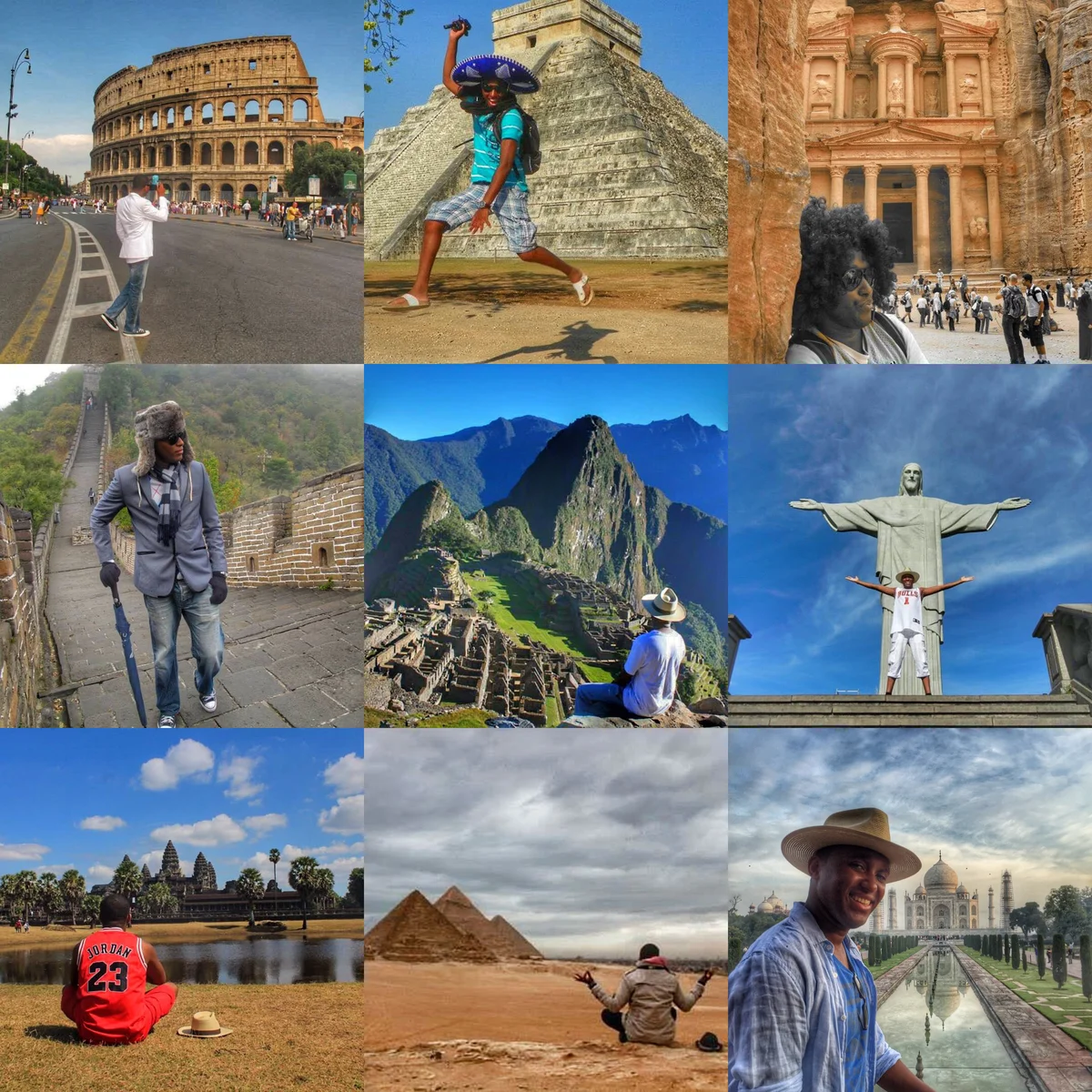
Experience centuries of history & mystery with this journey through the 9 Wonders of the World! From the Pyramids of Giza in Egypt, to the hidden wonders of Petra, to the Taj Mahal in India, come explore with me!
Good stories start with a connection
Let’s make one.